
What is the Mind-Body Connection?
By Kmind
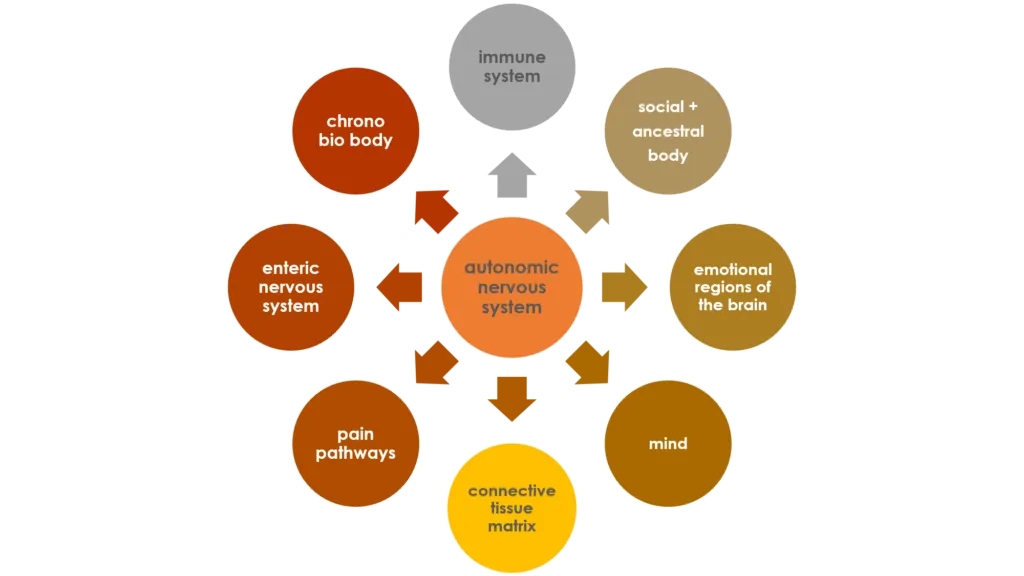
The mind-body or brain-body connection is the link between a person’s thoughts, feelings and behaviors and their physical symptoms. Children are often taught about physical health and feelings. However, what children may often left unexplained or unexplored is the powerful connection between bodies and brains.
Understanding what the mind-body connection is can help children better understand and achieve physical and emotional health. Find out the role this connection plays in your children’s health.
!(/assets/img/blogs/what-is-the-mind-body-connection/media/image1.webp)
What Is the Mind-Body Connection?
While scientists have long understood that our emotions can affect our bodies, we are only now beginning to understand how emotions influence health.
The mind-body connection describes the idea that what you think and feel is inextricably linked to how your body feels and functions. And vice versa - your physical health has a profound impact on your thoughts and emotions.
The emotional cortex gets activated when our bodies face a stressful situation, turning on the fight, flight or freeze response. On the contrary, the fight, flight or freeze response causes the body to release stress hormones, which can produce physical symptoms.
!(/assets/img/blogs/what-is-the-mind-body-connection/media/image2.webp)
*Body maps for 6 basic human emotions.
Image credit: Giorgio Raffaelli & body maps courtesy of Aalto University
How the Mind-Body Connection Works?
The brain is connected to the body through a complex network of neural pathways that send signals back and forth. The mind-body connection works by the feedback loop between your body and your mind.
Negative
When we are stressed, our bodies release two hormones: adrenaline and cortisol. They are called stress hormones and are supposed to give us a short-term energy boost (better known as an adrenaline surge) so that we can quickly get out of a dangerous situation.
However, even when there is no “danger” to escape from, you can still feel stressed. Releasing these hormones too often can have negative long-term effects on the body, including:
-
Weakened immune response
-
Digestive system problems
-
Slower healing
Positive
When you are physically and mentally happy, gamma-globulin, which boosts the immune system, is secreted, as well as endorphins, which act as natural painkillers that diminish discomfort and promote pleasure and relaxation.
studies show that having a positive, hopeful outlook contributes to many physical health benefits, including the following:
-
Improved heart health, including reduced risk of heart disease
-
Better sleep
-
Faster healing and better recovery from illness
-
Healthier blood sugar levels
-
Healthier weight
-
Longer life expectancy
-
Lower blood pressure
It’s challenging to know exactly how much of an impact a positive or negative mindset has on physical health, but a strong association has been conclusively found. Researchers have also noted that good or bad physical health can also promote or diminish a person’s positive outlook.
This means that a negative outlook combined with health problems has the potential to make both situations worse. Likewise, enjoying good health may contribute to a more optimistic attitude and resilience, especially if you already have a more positive mindset.
!(/assets/img/blogs/what-is-the-mind-body-connection/media/image3.webp)
How to Explain the Mind-Body Connection to Kids?
The scientific principles of the mind-body connection are likely to have the greatest impact if you explain them to children using examples they can understand.
For example, if they swim, you might explain that fear of water can cause the body to freeze up rather than using the correct swimming stroke. Tennis players may understand that there may be a rush to swing because of anxiety or self-consciousness.
Also, explain that many children experience stomach pains when faced with stressful or distressing situations. Small kids who are worried about monsters or “bad guys” coming to the house may notice their heartbeat racing and their bodies tensing up.
Children may also experience that body movement coping skills, such as walking, stretching, yoga or deep breathing, often help regulate emotions. In addition, when they talk about their feelings or concerns, they may notice that as they feel better emotionally, their bodies get better too.
Let children know that taking care of the mind is just as important as taking care of the body, because both systems working in harmony are essential to their overall health. Once children understand the general principles of the mind-body connection, they can begin to use it to their advantage.
Ways to Develop Mind-Body Awareness in Kids
Mindful Breathing
Get your children into a comfortable position and ask them to close their eyes. Next, ask them what their breath feels like as it enters and leaves them. Have them put their hands on their belly and feel the rise and fall of their breath. Do this about five times - five inhalations and five exhalations. After five breaths, direct their attention to any thoughts and feelings they may be aware of, and then ask them to let go of them. Ask them to imagine that these thoughts and feelings are bubbles, floating away as they return to their breath. Repeat these five breaths - five inhalations and five exhalations - doing as many as feels right.
Act Your Emotions
Name an emotion and ask your child to act it out - not just with their face, but with their whole body. Start with something low-key, such as “happy” or “sad,” and then move into more complex emotions, such as “frustrated” or “worried”.
If your child has some understanding about emotions, you can add another layer to this activity. For each feeling you name, ask them to notice and describe how they are standing. When they are sad, what happens to their shoulders? What part of their body do they feel “happy” in?
What’s on Your Back?
Ask your child to lie down and guess what you are pressing against their back. It can be anything - a toy, a bottle of water, a book. Repeat the action as long as your child likes. You can even write and draw on each other’s backs and then guess what the other has written or drawn.
Confident Poses
Different poses can actually change the chemistry of the body. Develop children’s awareness of the mind-body connection and allow them to explore how they feel when they pose.
!(/assets/img/blogs/what-is-the-mind-body-connection/media/image4.webp)In a quiet space where they feel safe and private, encourage them to pose in their favorite superhero classic poses and explore their feelings with them. These poses are powerful signals that may give children confidence and slow down their anxiety.
All of these activities can be adapted to your child’s or your own specific age and needs. These activities help your child notice how their body is feeling and can help regulate emotions and reduce stress. You may even find that many of them become regular activities that bring physical and mental comfort to your children and even to yourself.
Reference
- 4 ways to develop mind-body awareness with young children. Active for Life. Retrieved September 29, 2022, from
- How to Teach Your Child About the Mind-Body Connection. (2021, June 29). Verywell Family. Retrieved September 29, 2022, from https://www.verywellfamily.com/how-to-teach-your-child-about-mind-body-connection-5186771
- Mind-Body Connection: 10 Facts About How It Impacts Substance Use And Mental Health. (n.d.). Sandstone Care. Retrieved September 29, 2022, from https://www.sandstonecare.com/blog/mind-body-connection-10-facts-impacts-substance-use-mental-health Monroe, J. (2022, June 8).
- Understanding the Mind-Body Connection. Newport Academy. Retrieved September 29, 2022, from https://www.newportacademy.com/resources/mental-health/understanding-the-mind-body-connection/ Selva, J. B. (2022, September 8).
- Exploring the Body Mind Connection (Incl. 5 Techniques). PositivePsychology.com. Retrieved September 29, 2022, from https://positivepsychology.com/body-mind-integration-attention-training/ Wing, J. (2021, September 21).
- What is the Mind-Body Connection? Florida Medical Clinic. Retrieved September 29, 2022, from https://www.floridamedicalclinic.com/blog/what-is-the-mind-body-connection/
Explore Our Courses
Discover courses designed to help your child thrive

Math
Build strong mathematical foundations through hands-on problem-solving and conceptual understanding, helping Pre-K to 2nd graders develop number sense and critical thinking skills.
Phonics
Build a strong reading foundation through systematic phonics instruction, helping Pre-K to 1st graders master letter sounds, blending, and decoding skills.

Reading and Writing
Develop comprehensive literacy skills through engaging reading comprehension and creative writing activities designed for Kindergarten to 6th grade students.