
What Is Social-Emotional Learning and How Does It Affect Kids
By Kmind
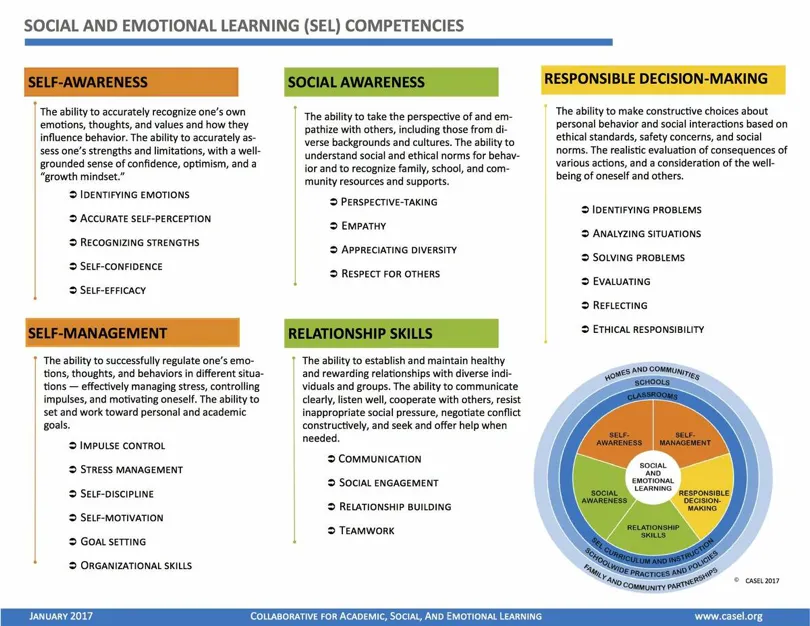
What is Social-Emotional Learning (SEL):
According to psychologist Daniel Goleman, children’s social-emotional competence is the ability of children to recognize and control their own emotions, develop concern and care for others, make responsible decisions, establish and maintain good interpersonal relationships, and deal effectively with various problems in learning and life.
The concept of “social and emotional learning” (SEL) was first introduced by Goleman and his collaborative team in 1994, and established the Social and Emotional Learning (SEL) organization to collect scientific evidence on the importance of social-emotional competence in student learning and life.
Why SEL is important:
People with strong social-emotional skills are better equipped to manage daily challenges, build positive relationships, and make informed decisions. SEL helps students and adults thrive in school and in life.
That’s important because people aren’t born knowing how to manage emotions, solve problems, and get along with others. These kinds of skills have to be developed, and schools and parents can help students learn them.
SEL Skills:
- Self-awareness
To recognize your emotions and how they impact your behavior; acknowledging your strengths and weaknesses to better gain confidence in your abilities.
Self-awareness Activity: Feeling Wheel
A significant goal of social-emotional learning is helping kids identify their own emotions.
-
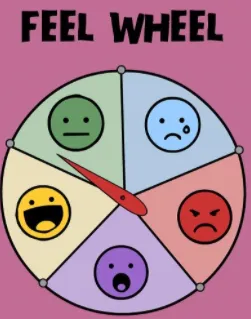 Help kids create their own feeling wheel by providing paper, Clothespin or push pins, and drawing tools.
 -
Ask them to draw some faces on the wheel that shows specific emotions. Using very concrete emotions is recommended for this age group, such as happy, sad, scared, mad, surprised, angry, excited, calm, sleepy, etc.
-
Once the wheel is finished, invite your child to think about how he’s feeling right now and put the pin on that part.
-
Self-management
To take control and ownership of your thoughts, emotions, and actions in various situations, as well as setting and working toward goals.
Self-management Activity: Goal-setting
Help your kids begin developing skills around goal setting and add a fun focus to the day.
-
Each morning at breakfast, ask your kids to name one thing they want to accomplish today. This can be as simple as kicking a soccer ball, playing with LEGO, or drawing a picture.
-
On a piece of paper or erasable whiteboard, draw a simple sketch of the goal and write a couple of words under it to describe it.
-
Place the whiteboard or piece of paper somewhere in your home as a visual reminder.
-
At dinner or bedtime, revisit your child’s goal by saying, “This morning you said your goal today was ___. Did you accomplish it?”
-
If your child accomplished the goal, invite them to draw a star or heart on the paper or whiteboard to show their achievement.
-
Social awareness
The ability to put yourself in the shoes of another person who may be from a different background or culture from the one you grew up with. To act with empathy and in an ethical manner within your home, school, and community.
Social awareness Activity: Story Time
Understanding our social surroundings and considering other people’s perspectives is an essential life skill. Because they don’t have as many life experiences to draw on as older children or adults, this can be difficult for young learners.
-
Reading is a wonderful way to help preschool-aged students consider other people’s perspectives.
-
As you read with your child, consider asking questions such as:
-
How do you think X character was feeling at X part of the story? Why do you think they were feeling that way?
-
If you were in the story, how do you think you would feel in that same situation? Why?
-
How do you feel about what happened in the story?
-
-
Relationship Skills
The ability to build and maintain healthy relationships with people from a diverse range of backgrounds. This competency focuses on listening to and being able to communicate with others, peacefully resolving conflict, and knowing when to ask for or offer help.
Relationship Skills: Keeping Connected
Relationship skills are something we develop continuously throughout our lives. The ways we communicate, negotiate conflicts, cooperate, and seek help from others when needed are invaluable skills for life success.
-
Create opportunities for your child to practice their oral communication skills by using technology to connect with others outside of your home.
-
Schedule a call at least every other day so your child can talk with someone beyond those in your household. This could be a family member, friend, neighbor, etc.
-
Help keep kids focused by planning an activity for the call:
-
Family members (e.g., grandparent, aunt, older cousin) or friends can do a video read aloud and ask questions.
-
Peers can share about their day or show and tell about a favorite toy or game on a video chat.
-
For voice-only calls, which may be more difficult for holding a young child’s attention, help your child rehearse what they’d like to talk about before getting on the phone.
-
The calls may be short, but they are chances for kids to practice communication skills and experience how we communicate in different ways depending on who we are talking with.
-
Responsible Decision Making
Choosing how to act or respond to a situation based on learned behaviors such as ethics, safety, weighing consequences and the well-being of others, as well as yourself.
Responsible Decision Making: Good Decisions Recipe
We each make hundreds of decisions every day. Helping young kids begin to understand how to make responsible decisions is an important life skill.
-
Explain to your child that when we cook or bake, we follow a recipe to know the steps for making something come out tasting yummy.
-
When we make decisions, we also follow a recipe to help us make good choices.
-
Print the Good Decisions Recipe (below) or use your own format to make a recipe card.
-
If you’d like, ask your child to decorate the recipe card with positive images that encourage them to make good choices.
-
Hang your recipe card somewhere visible and use it as a guide when your child has a decision to make.
Reference: centervention.com
changingperspectivesnow.org
casel.org
Explore Our Courses
Discover courses designed to help your child thrive
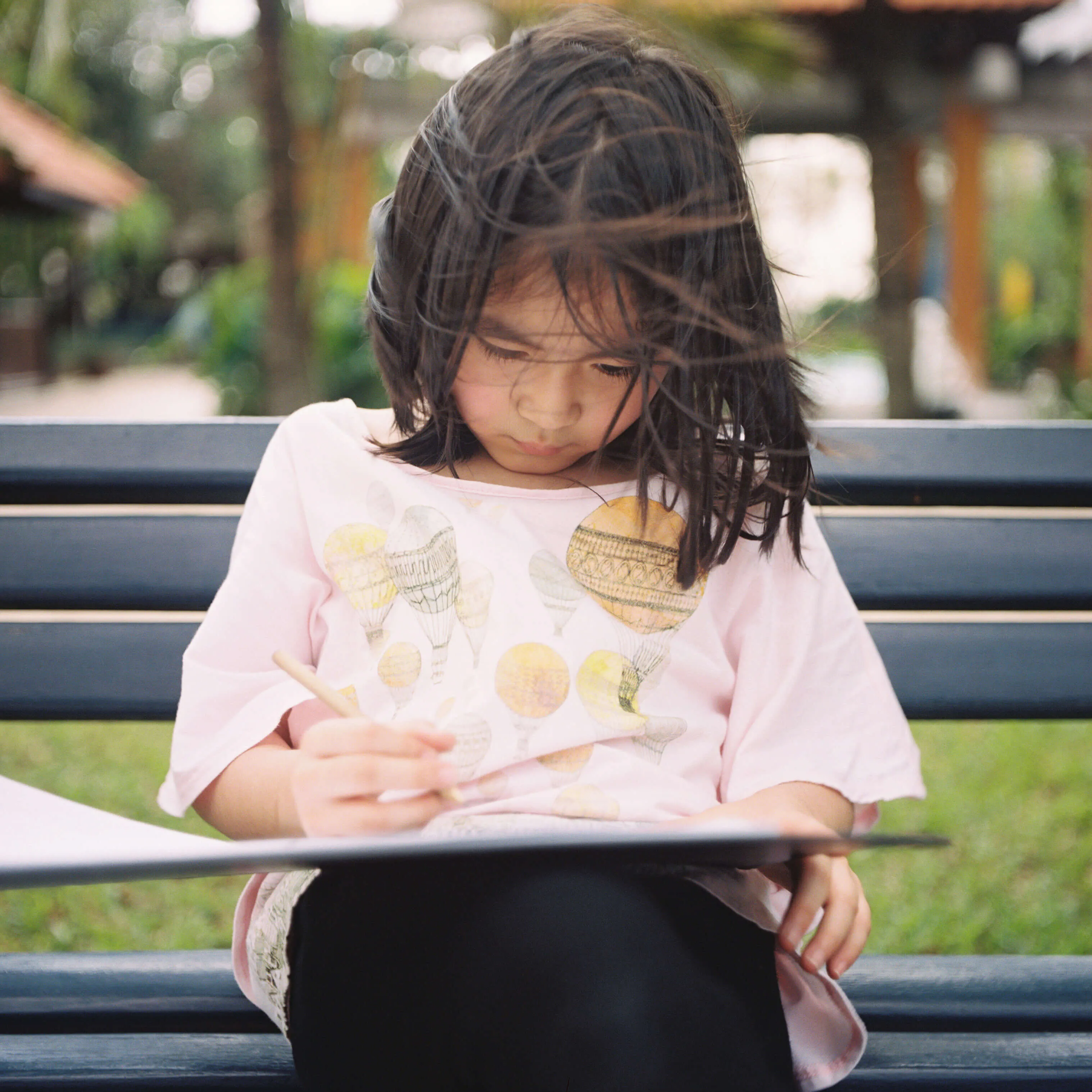
Reading and Writing
Develop comprehensive literacy skills through engaging reading comprehension and creative writing activities designed for Kindergarten to 6th grade students.
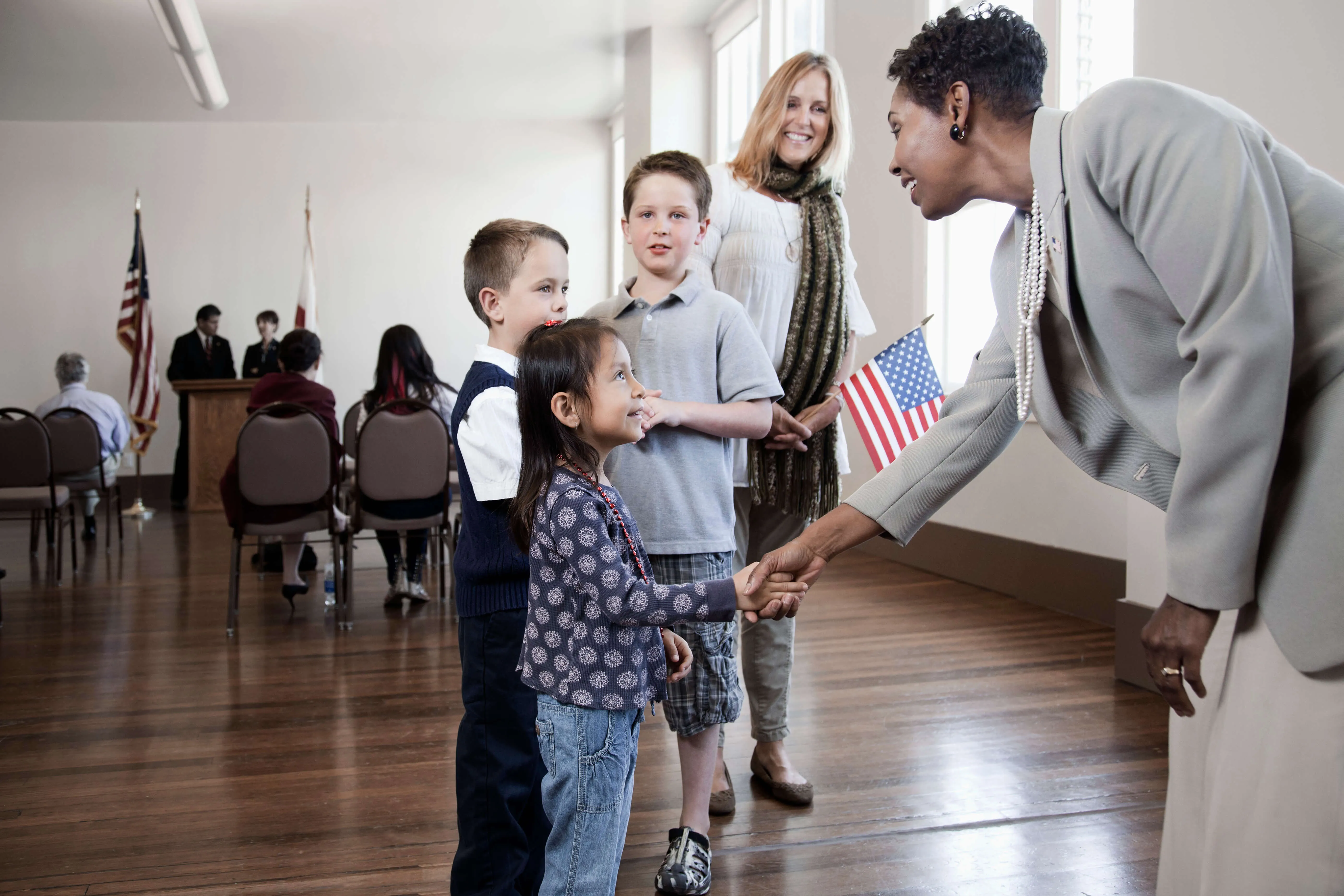
Leadership Development
Cultivate leadership qualities through communication training, teamwork exercises, and ethical decision-making practice for students K-12.

Writing Class
Master the art of written expression through structured writing workshops, helping 1st to 6th graders develop storytelling, essay writing, and creative composition skills.