

Unlocking Your Child's Potential: The Benefits of Journaling for Kids
By Kmind
Unlocking Your Child’s Potential: The Benefits of Journaling for Kids
Journaling is a simple and effective way for kids to express themselves, reflect on their experiences, and develop important skills. It’s a wonderful activity that can provide numerous benefits for children, including improved communication skills, enhanced creativity, and increased emotional intelligence. In this article, we’ll explore some of the many benefits of journaling for kids and why parents should encourage their children to start a journal today.
Benefits of Journaling
Develops Communication Skills
Writing in a journal requires kids to think deeply about their experiences and put their thoughts and feelings into words. By doing so, they develop their communication skills, which are critical for success in school and later in life. Journaling allows children to express themselves without fear of judgment or criticism, giving them the opportunity to practice articulating their thoughts and feelings clearly and effectively.
Enhances Creativity
Journaling is a creative outlet that encourages children to explore their imagination and express their ideas freely. Writing can also be a form of self-expression that allows children to express their unique personalities and perspectives. By encouraging children to write in their journal, parents can help them develop their creativity and improve their ability to think outside the box.
Improves Emotional Intelligence
Journaling is an excellent way for kids to manage their emotions and develop emotional intelligence. By writing about their experiences and feelings, children can learn to identify and regulate their emotions, as well as develop empathy for others. This can help them to develop healthy coping strategies, handle stress and difficult situations, and build positive relationships with others.
Promotes Self-Reflection
Journaling can help children develop a sense of self-awareness and self-reflection, which is an important skill for personal growth and development. By reflecting on their experiences and thoughts, children can gain insight into their own strengths and weaknesses, learn from their mistakes, and develop a stronger sense of self.
Encourages Positive Habits
!(/assets/img/blogs/unlocking-your-childs-potential-the-benefits-of-journaling-for-kids/media/image3.webp)Journaling is a healthy habit that can help kids develop discipline and consistency. By making it a daily or weekly practice, parents can encourage their children to develop positive habits that can benefit them in other areas of their lives, such as schoolwork and extracurricular activities.
How to Cultivate the Habit of Journaling?
Cultivating the habit of journaling in children is an excellent way to help them develop important skills and gain self-awareness. Here are some practical examples of how parents can cultivate this habit in their children:
Start Small
When introducing journaling to children, it is best to start small. Encourage them to write a sentence or two each day, and then gradually increase the length of their entries as they become more comfortable. For example, parents can ask their child to write about one good thing that happened to them that day, or one thing they are grateful for.
Make It a Routine
Consistency is key when it comes to developing a habit. Parents can make journaling a part of their child’s daily routine by setting aside a specific time each day for them to write in their journal. For example, parents can encourage their child to write in their journal for 10-15 minutes before bedtime each night.

Provide Prompts
Sometimes children may struggle to come up with things to write about in their journal. Providing prompts can be a helpful way to get them started. For example, parents can ask their child to write about a funny thing that happened to them that day, or something they learned at school.
Encourage Creativity
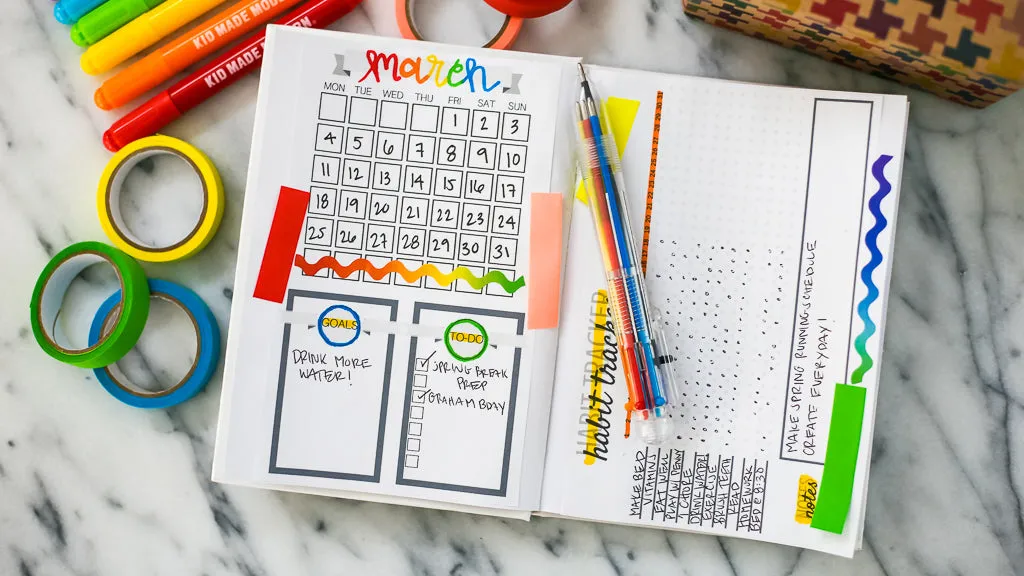
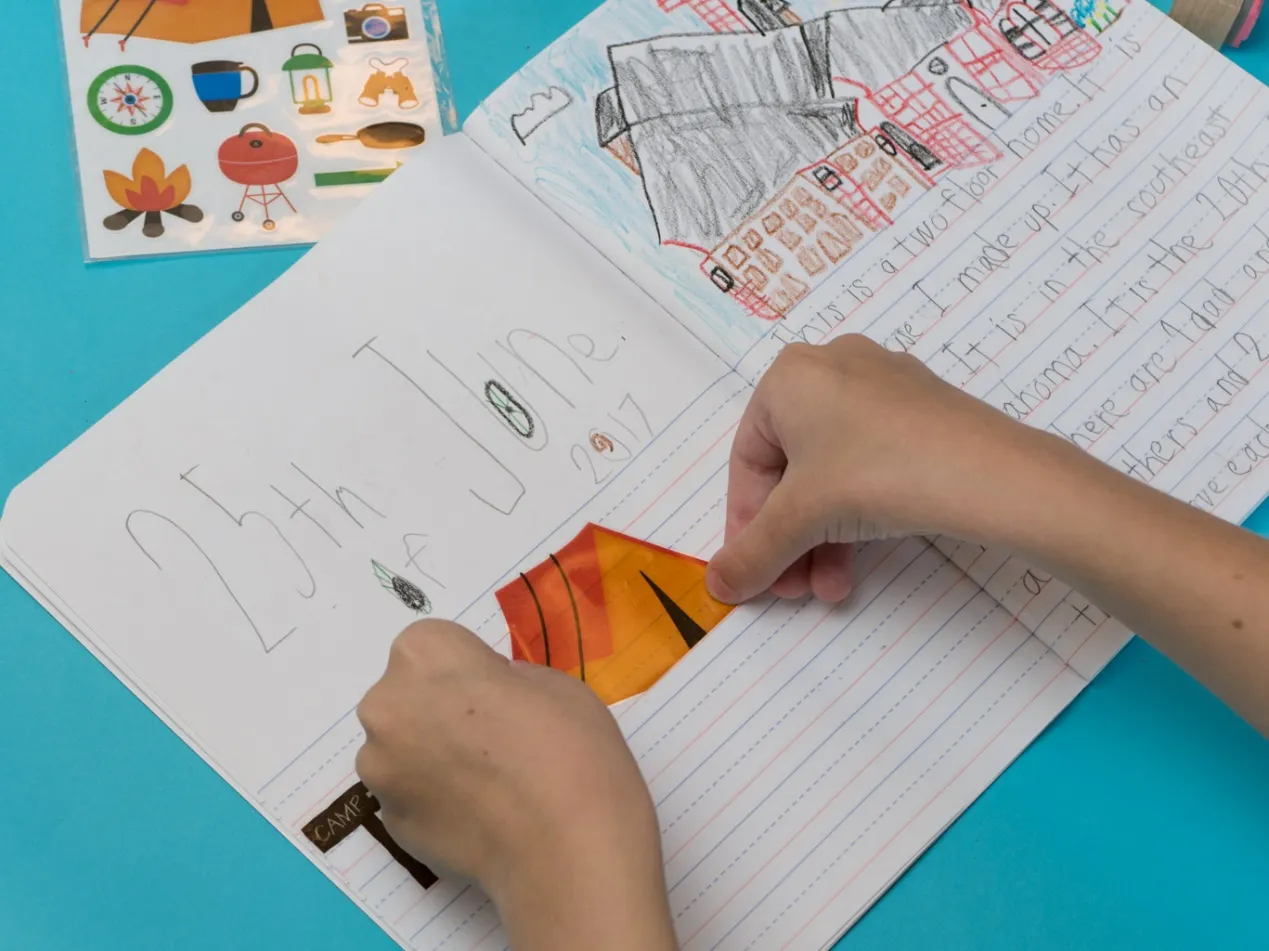
Encourage children to be creative with their journaling. Parents can provide colorful pens, stickers, or other decorations to make the journaling experience more fun and engaging. For example, parents can encourage their child to draw pictures or write poems in their journal.
Celebrate Milestones
Celebrating milestones can be a great way to motivate children to continue journaling. Parents can set goals with their child, such as writing in their journal every day for a month, and then celebrate when the goal is achieved. For example, parents can take their child out for a special treat or give them a small gift to reward their hard work.
Model the Behavior
Set a good example by journaling yourself. Children are more likely to develop a habit if they see their parents doing it too. Share your own journaling experiences with your child and encourage them to share theirs with you.
Encourage Openness and Honesty
Create a safe and non-judgmental space for your child to write in their journal. Encourage them to be open and honest in their writing and assure them that their journal is private and confidential.
Celebrate Achievements
Celebrate your child’s achievements in their journaling habit. When they reach a certain number of entries or have been journaling for a certain period of time, acknowledge their efforts and celebrate their success.

Overall, journaling is an excellent activity for kids that can provide numerous benefits. By encouraging children to write in a journal, parents can help them develop important skills like communication, creativity, emotional intelligence, self-reflection, and positive habits. So, why not give your child a journal today and watch them grow and develop in new and exciting ways?
Reference
- Li, P. (2023, February 21). Benefits of Journaling For Kids, Tips & Prompts. Parenting for Brain. https://www.parentingforbrain.com/journaling/
- Morin, A. (2021, August 7). The Benefits of Journaling for Kids. Verywell Family. https://www.verywellfamily.com/the-benefits-of-journaling-for-kids-2086712
- Rodriguez, J. (n.d.). How Journaling Benefits Your Child. https://www.scholastic.com/parents/books-and-reading/raise-a-reader-blog/how-journaling-benefits-your-child.html
- Short, E. (2021, September 28). Benefits of Children Using Journals. Mål Paper. https://malpaper.com/blogs/news/benefits-of-children-using-journals
- Tapp, F. (2022, December 16). 30 Journal Prompts for Kids to Aid Self-Discovery. Parents. https://www.parents.com/kids/education/30-journal-prompts-for-kids-to-aid-self-discovery/
- Wing, E. (2016, April 24). Journaling at Home with Kids: 10 Ways - Home Literacy Blueprint. Home Literacy Blueprint. http://homeliteracyblueprint.com/journaling-at-home-with-kids/
Explore Our Courses
Discover courses designed to help your child thrive

Leadership Development
Cultivate leadership qualities through communication training, teamwork exercises, and ethical decision-making practice for students K-12.
Reading and Writing
Develop comprehensive literacy skills through engaging reading comprehension and creative writing activities designed for Kindergarten to 6th grade students.

Science Research Project
Develop scientific inquiry and research skills through hands-on projects, helping 3rd to 12th graders learn the scientific method, experimental design, and data analysis.