
The Power of Good Behavior: Why It Matters and How to Foster It
By Kmind
Fostering good behavior in children is essential for success in school and in life. Good behavior is not just about being polite and well-mannered, it’s about having the right attitude, showing respect for oneself and others, and taking responsibility for one’s actions.
What is Good Behavior?
Good behavior encompasses a wide range of attitudes and actions, but some key aspects include:
Respect: Children should respect themselves, their peers, and their teachers. This means being kind, considerate, and courteous to others.
Responsibility: Children should take responsibility for their actions, both good and bad. They should also take responsibility for their own learning and personal growth.
Self-control: Children should learn to regulate their emotions and impulses, avoiding impulsive or aggressive behaviors that may harm themselves or others.
Positive attitude: Children should approach learning with a positive attitude, seeking out challenges and embracing new experiences.
Why is Good Behavior Important?
Good behavior sets the foundation for positive relationships with peers and teachers, builds confidence and empowerment, and promotes academic success. On the other hand, poor behavior can lead to academic struggles, social isolation, and disciplinary action.
Strategies to Improve Your Child’s Behavior at School
Set clear expectations: Talk to your child about what is expected of them at school. Discuss the importance of good behavior and explain how it can help them succeed in school and beyond.
Praise good behavior: Catch your child doing something good and acknowledge their efforts. Praise reinforces positive behavior and encourages your child to continue to display good behavior.
Consistency: Be consistent in your approach to discipline and follow through with consequences for poor behavior. Consistency helps children understand what is expected of them and what the consequences will be if they fail to meet those expectations.

Communication: Stay in touch with your child’s teacher and stay informed about your child’s progress. If your child is struggling with behavior, work together with the teacher to find a solution.
Positive role models: Be a positive role model for your child, demonstrating good behavior and positive attitudes in your own life.
Teach conflict resolution skills: Teach your child to communicate effectively, listen actively, and find peaceful solutions to conflicts.
****
Reference
- 10 Tips for Encouraging Positive Student Behavior. (n.d.). CHOA | Strong4Life. https://www.strong4life.com/en/schools-and-community/educator-and-staff-resources/10-tips-for-encouraging-positive-student-behavior
- A. (2022, September 8). 6 Effective Ways to Improve your Kids Behavior. The Pillars Christian Learning Center. https://thepillarsclc.com/6-effective-ways-to-improve-your-kids-behavior/
- Bartz, A. (2023, March 2). What to do if your child is having behavior problems at school. BabyCenter. https://www.babycenter.com/child/learning-and-education/what-to-do-if-your-child-is-having-behavior-problems-at-scho_63870
- Bcba-D, R. S. P. (2022, October 29). Behavior Problems at School: A Complete Problem-Solving Guide for Parents. ADDitude. https://www.additudemag.com/how-to-help-a-child-with-behavior-problems-at-school-adhd/
- Lcsw, A. M. (2022, June 13). Strategies to Improve Your Child’s Behavior at School. Verywell Family. https://www.verywellfamily.com/childs-behavior-problems-school-1094910
- Terada, Y. (2019, August 7). 8 Proactive Classroom Management Tips. Edutopia. https://www.edutopia.org/article/8-proactive-classroom-management-tips?gclid=CjwKCAjwzuqgBhAcEiwAdj5dRrhXxhDYTIJfKXigPcyBJMlP3BkyW4nJ3CdNzhoGQsJekd-WEvZG2BoCRk4QAvD_BwE
Explore Our Courses
Discover courses designed to help your child thrive

Leadership Development
Cultivate leadership qualities through communication training, teamwork exercises, and ethical decision-making practice for students K-12.
Math
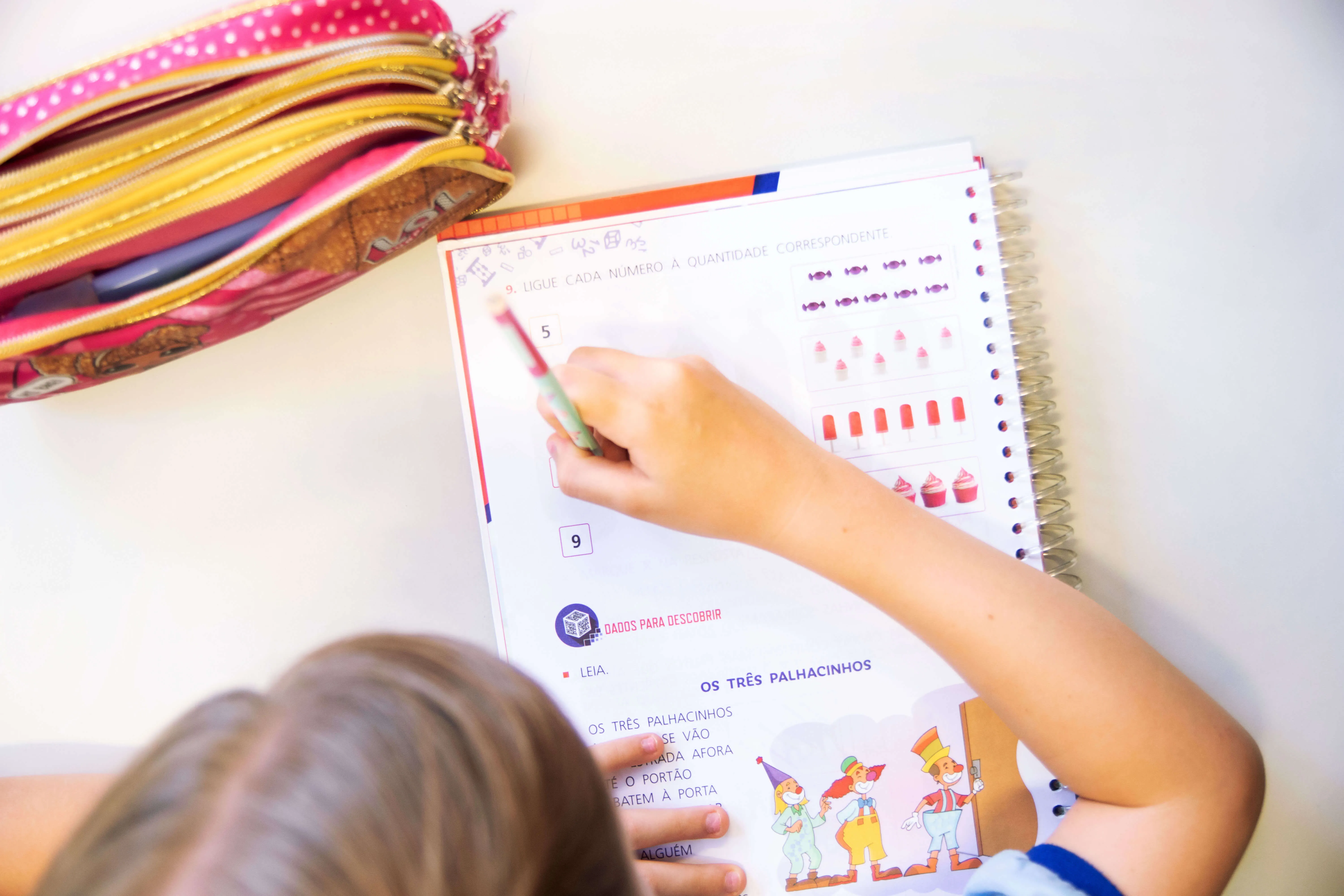
Build strong mathematical foundations through hands-on problem-solving and conceptual understanding, helping Pre-K to 2nd graders develop number sense and critical thinking skills.
Reading and Writing
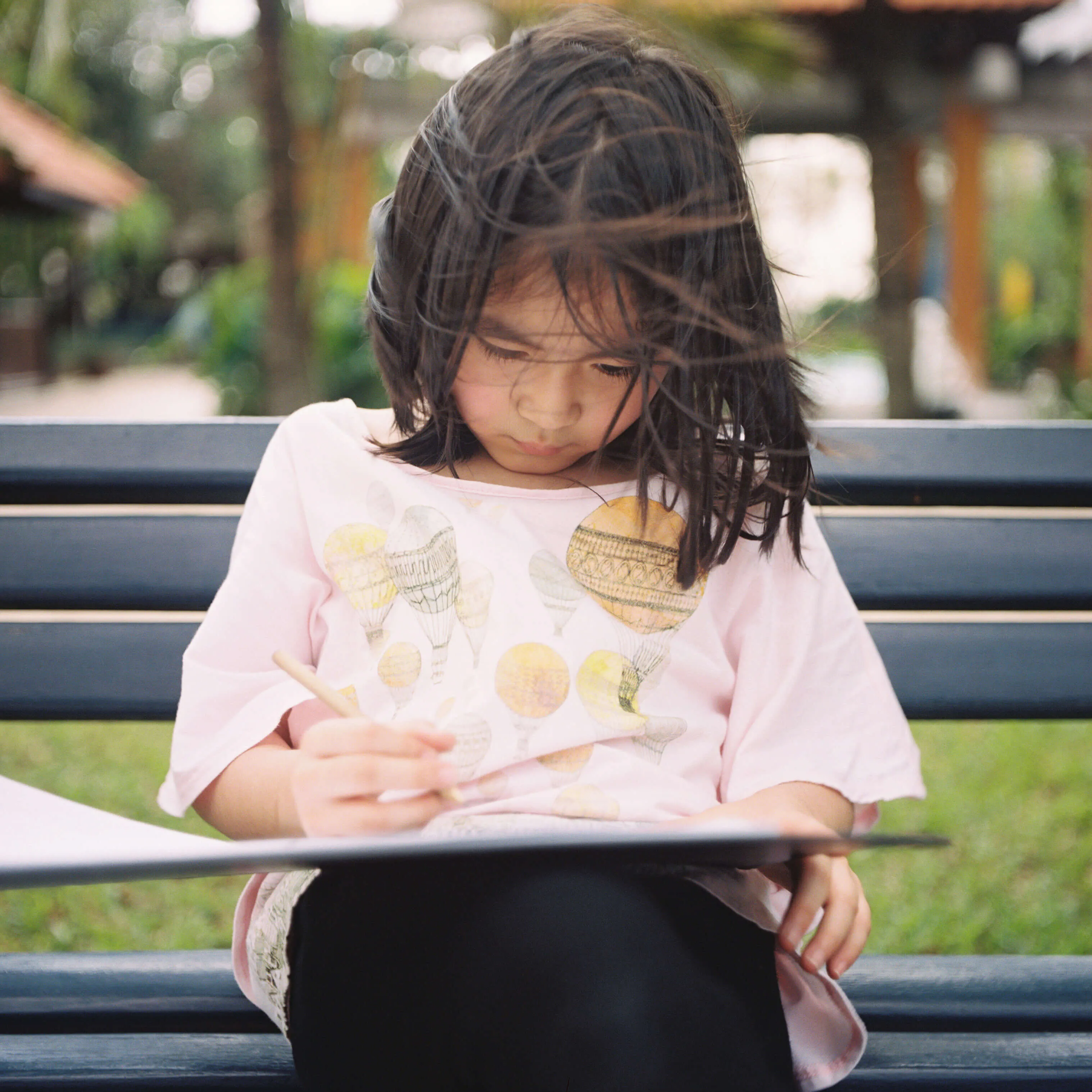
Develop comprehensive literacy skills through engaging reading comprehension and creative writing activities designed for Kindergarten to 6th grade students.