
Physical Education in the U.S.:
By Kmind
The History and Standards
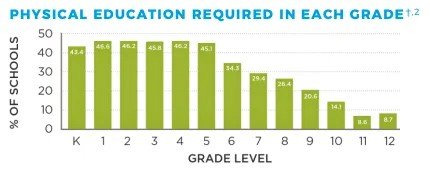
Physical education is the foundation of a Comprehensive School Physical Activity Program. It is an academic subject characterized by a planned and sequenced K-12 curriculum (course of study) based on the National Physical Education Standards. Physical education provides cognitive content and instruction designed to develop motor skills, knowledge, and behaviors for physical activity and physical fitness. Supporting schools in establishing daily physical education can provide students with the ability and confidence to engage in lifelong physical activity.
*Percentage of schools requiring 60min of physical education
Benefits of Physical Education
There are many benefits of physical education in schools. When students get physical education, they can:
-
Increase their level of physical activity
-
Improve their grades and standardized test scores
-
Strengthen their muscles and bones
-
Improves their self-esteem
-
Focus more in school
-
Reduce the chances of obesity
-
Reducing stress, anxiety, and depression
-
Reduce the incidence of diabetes, cancer and more
-
More successful careers
The History of Physical Education
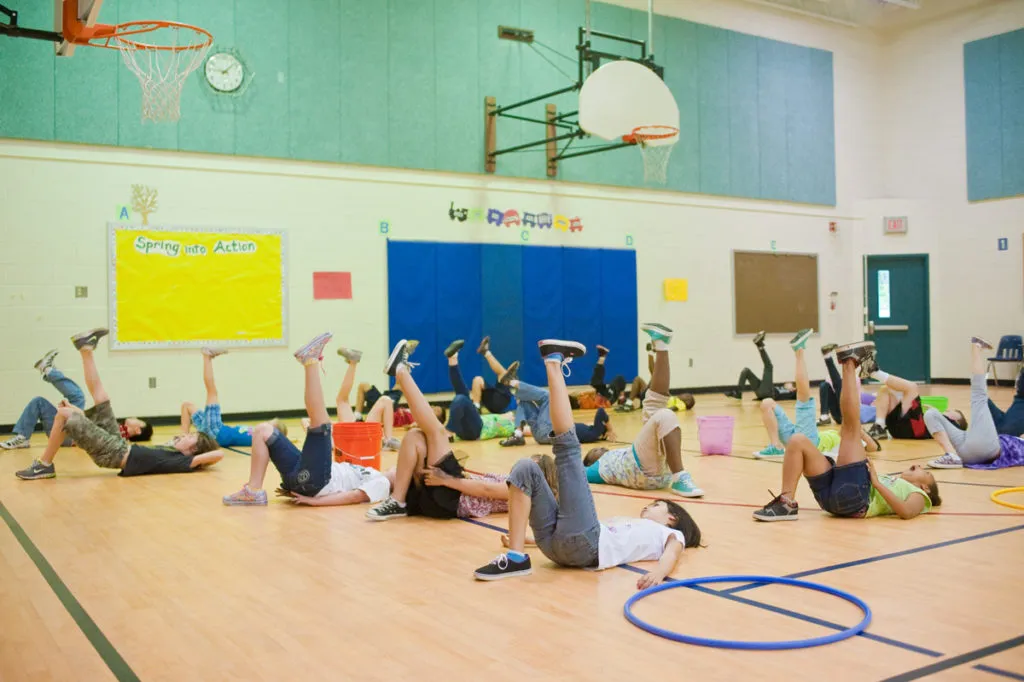
The history of physical education can be traced back to ancient Greece. During this period, physical education proved to be important as it was necessary to train Greek soldiers and athletes.
Physical Education in the US
By the mid-19th century, physical education would make its way to the United States. The rationale was similar to that of its use by the Greeks for the purpose of educating and training soldiers for eventual combat. Over time, however, physical education would evolve into something much more important. Schools across the country will begin to take health-related topics more seriously, whether on the playground or in the classroom, and lessons geared toward physical development will receive more attention. Physical education did not become a formal requirement until after the Civil War, when many states put the physical education requirement into law.
John Dewey
In the late 19th and early 20th centuries, the concept of physical education in public schools began to change dramatically. In 1866, California became the first state in the country to pass a law requiring two exercise periods per day in public schools. In the early 20th century, everything changed. John Dewey, an American psychologist who led the progressive education movement in the United States, pushed for reform of the education system. His natural child-centered approach to education led to the inclusion of physical education in more schools. Dewey ignited this change because physical education was seen as a way for students to be able to achieve some of the social goals of students at the time. Physical play was seen as a means of learning within this progressive model of education.
John F. Kennedy
Obesity is not just a problem facing the United States in modern times. After World War II, there was concern that the nation’s youth were rapidly gaining weight and thus becoming unhealthy. John F. Kennedy was one of the biggest advocates of physical fitness and education in the United States.
During his time in office, one of Kennedy’s biggest goals was to improve physical fitness across the country. During his presidency, he also ordered the creation of the White House Committee on Health and Fitness, which incorporated an annual Youth Fitness Congress that included the governors of each state. By including the federal government in this movement, President Kennedy showed not only that he personally cared about physical fitness throughout the United States, but that the American people should also have a vested interest.
Modern Focus
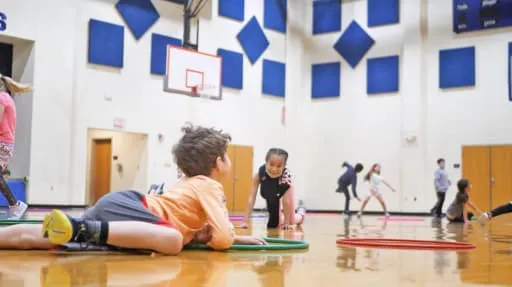
The ever-changing academic curriculum has witnessed multiple improvements in the physical education discipline. Many national and global events have been involved in the process that has changed physical education in the United States and brought us to our current structure. Physical education is often the first to go in the process of budget cuts and curriculum reorganization; therefore, the evolution of physical education has been a winding path with new guidelines constantly emerging.
Physical education is a major component of a comprehensive educational system, and fitness plays an important role in the physical and mental health of all Americans. Today’s educational landscape has allowed this important program to flourish and become an integral part of the modern educational school system.
National Standards in Physical Education
!(/assets/img/blogs/physical-education-in-the-us/media/image4.webp)Currently, there is no mandate for schools to adhere to a national set of physical education standards, and many states have adopted or created their own standards, or expectations for K-12 physical education. However, the Society of Health and Physical Educators provides a set of national standards that can be used as a springboard for states and local districts to develop or revise their own standards. Better known as SHAPE America, the standards they have developed cover kindergarten through 12th grade and provide a scope and sequence of what students should know and be able to do in a high-quality physical education program.
In 2008, the U.S. Department of Health and Human Services issued 2008 Physical Activity Guidelines for Americans, age 6 and older, which recommend that children and adolescents should engage in 60 minutes or more of physical activity daily. The comprehensive school physical activity program (CSPAP) has been recognized as the new national framework for physical education and physical 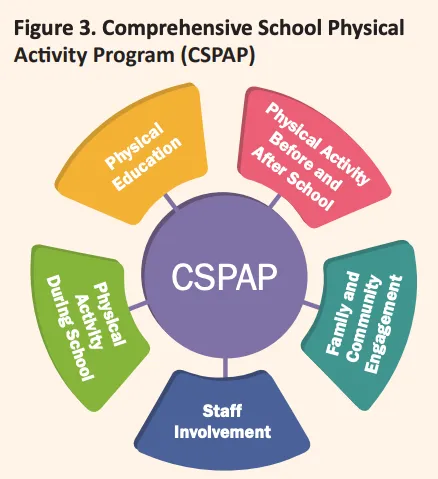 activity for young people. This framework supports physical activity participation among young people as recommended in the National Physical Activity Plan. A CSPAP not only educates youth in the knowledge and application of skills learned, but also mobilizes them to apply what they have learned and adopt a healthy lifestyle. A CSPAP is a multi-component approach by which school districts and schools use all opportunities for students to be physically active throughout the school day in order to meet the national physical activity recommendation.
*See more details about physical education standards: https://www.shapeamerica.org//upload/TheEssentialComponentsOfPhysicalEducation.pdf
Elementary School Outcomes:
-
Students will be able to demonstrate competence in basic motor skills and a combination of skills.
-
Students will be able to process basic movement concepts in small practice tasks, gymnastics, and dance.
-
Students will be able to identify a number of basic fitness concepts.
-
Students should be able to accept their abilities and others’ abilities in physical activities.
-
Students should be able to understand the benefits of a physically active lifestyle.
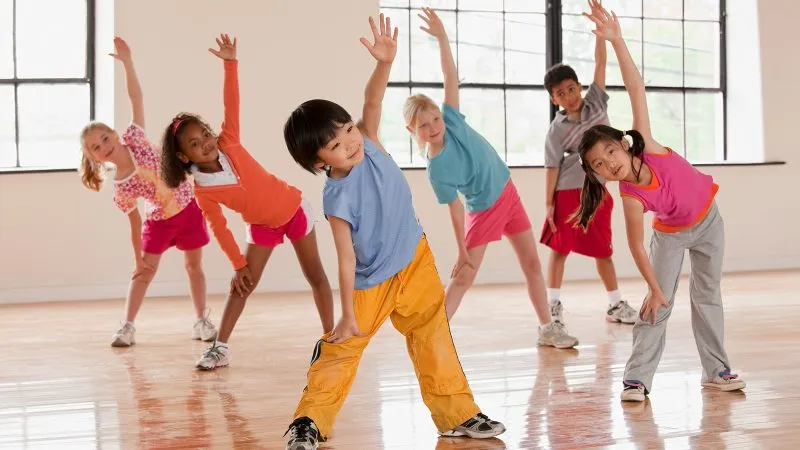
Physical education benefits students both physically and mentally. Students will also benefit from being able to avoid injury better through more activity, they will have more confidence, and they will see improvements in mental health. It is important to educate students about the benefits of playground and interscholastic physical activity and to instruct them on issues related to the human body and other health-related issues so they can better understand how their bodies work.
****
Reference
- The Essential Components of Physical Education. (2015). SHAPE America. https://www.shapeamerica.org//upload/TheEssentialComponentsOfPhysicalEducation.pdf
- Gardner, C. (2015, December 1). The Evolution of Physical Education. Together Counts. Retrieved September 22, 2022, from https://togethercounts.com/the-evolution-of-physical-education/
- National Physical Education Standards. (2013). SHAPE America. https://www.shapeamerica.org/standards/pe/default.aspx
- Physical Education | Physical Activity | Healthy Schools | CDC. (n.d.). Retrieved September 22, 2022, from https://www.cdc.gov/healthyschools/physicalactivity/physical-education.htm
- Physical Education Programs, History & Importance - Playgrounds, Rubber Mulch and Surfacing. (n.d.). AAA State of Play. Retrieved September 22, 2022, from https://www.aaastateofplay.com/the-history-of-physical-education/
- Study.com. Physical Education: History & Major Contributors. Retrieved September 22, 2022, from https://study.com/academy/lesson/physical-education-history-major-contributors.html
- Study.com. National Standards for Physical Education. Retrieved September 22, 2022, from https://study.com/academy/lesson/national-standards-for-physical-education.html?src=ppc_adwords
Explore Our Courses
Discover courses designed to help your child thrive
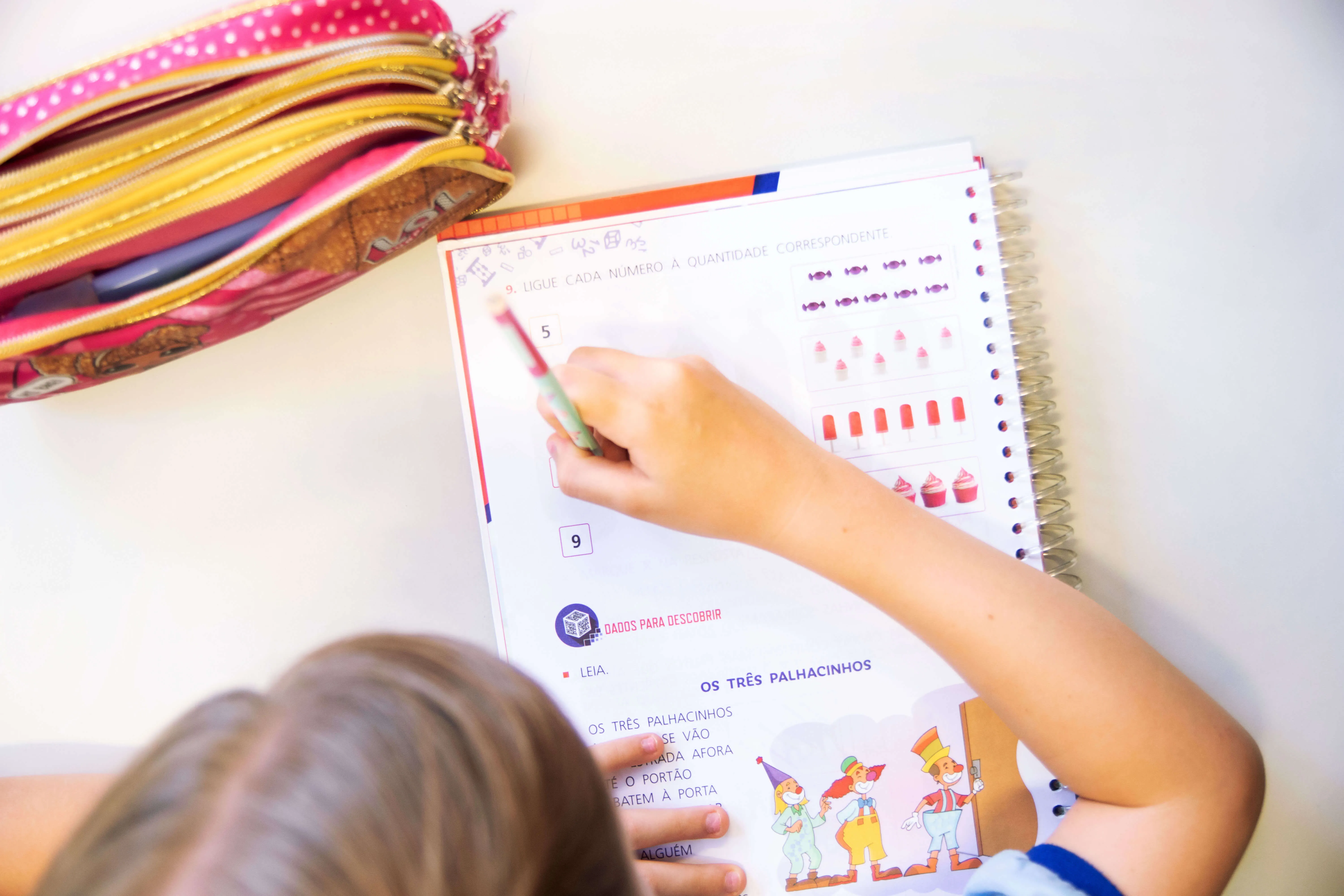
Math
Build strong mathematical foundations through hands-on problem-solving and conceptual understanding, helping Pre-K to 2nd graders develop number sense and critical thinking skills.
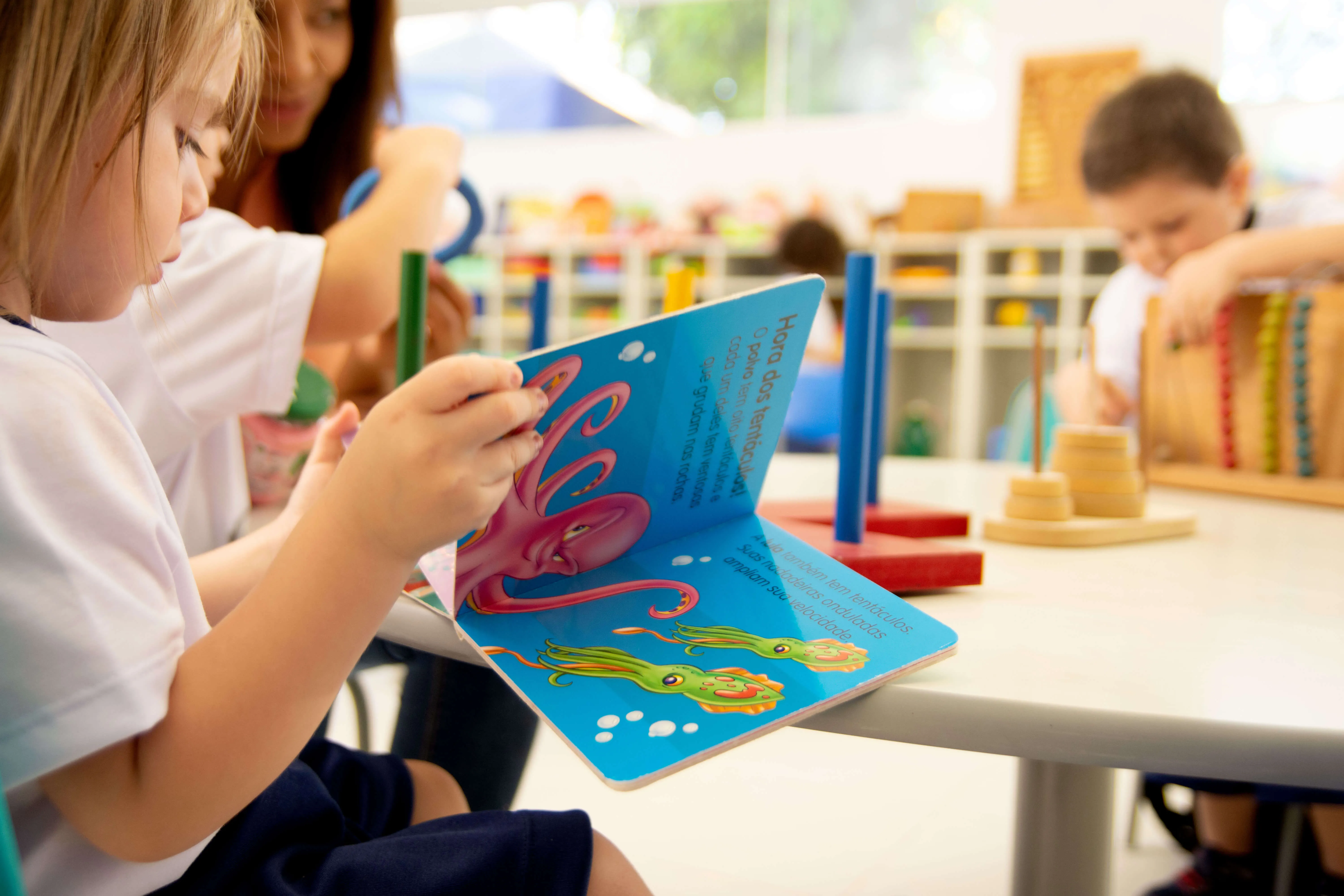
Phonics
Build a strong reading foundation through systematic phonics instruction, helping Pre-K to 1st graders master letter sounds, blending, and decoding skills.
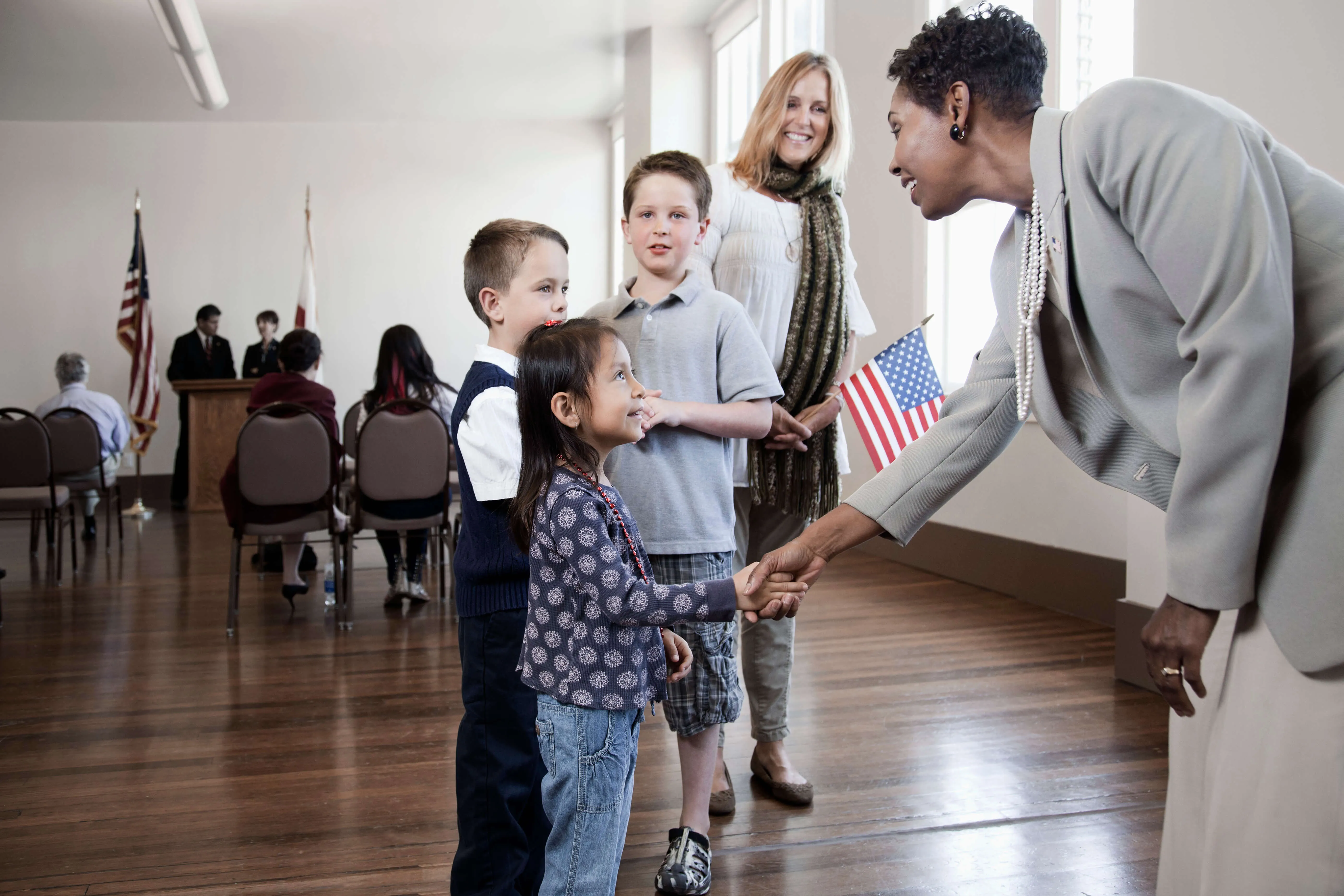
Leadership Development
Cultivate leadership qualities through communication training, teamwork exercises, and ethical decision-making practice for students K-12.