
Navigating Public Schools: What Every Parent Needs to Know
By Kmind
Public school is a common choice for many families who want their children to receive a quality education and socialize with peers from different backgrounds. However, public school also comes with its own challenges and opportunities that parents should be aware of. It can be difficult to navigate the ins and outs of the public school system. In this article, we’ll cover some key things that every parent should know about public schools.
Public Schools Are Funded by Taxpayer Dollars
Unlike private schools, which are typically funded by tuition fees and donations, public schools are funded by the government. This means that they are accessible to all students, regardless of their family’s financial situation. However, it also means that public schools are subject to budget cuts and other funding limitations, which can sometimes impact the quality of education that students receive.
Public School Is Free and Accessible
One of the main benefits of public school is that it is free of charge and open to all students who live within the district boundaries. This means that parents do not have to worry about tuition fees or admission requirements. Public school also provides transportation, meals, textbooks, and other resources for students who need them.
Public School Is Diverse and Inclusive
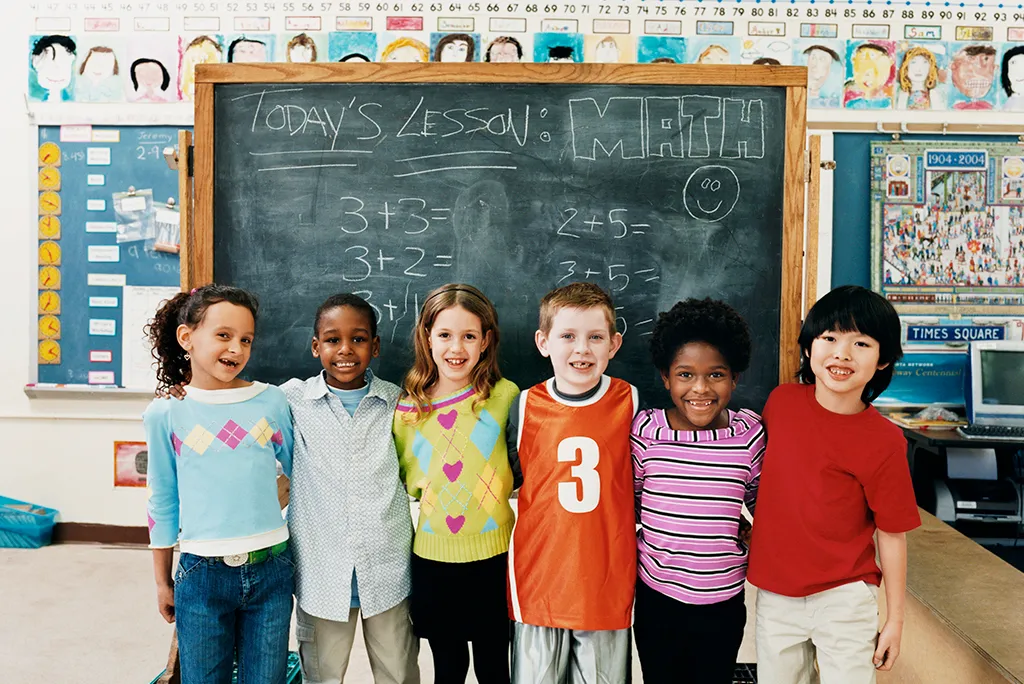
Another advantage of public school is that it exposes students to a variety of cultures, perspectives, and experiences. Public school students learn to interact with people who have different backgrounds, beliefs, and abilities. Public school also offers programs and services for students with special needs, such as special education, gifted education, English language learners, and more. However, the availability and quality of these programs can vary widely from school to school.
Public Schools Are Required to Follow State and Federal Guidelines
Because they are funded by the government, public schools must adhere to certain guidelines and standards set forth by the state and federal government. These guidelines cover everything from curriculum to teacher certification to student assessments. While this can provide a level of consistency and accountability, it can also limit the flexibility and creativity of individual schools.
Public School Is Flexible and Adaptable
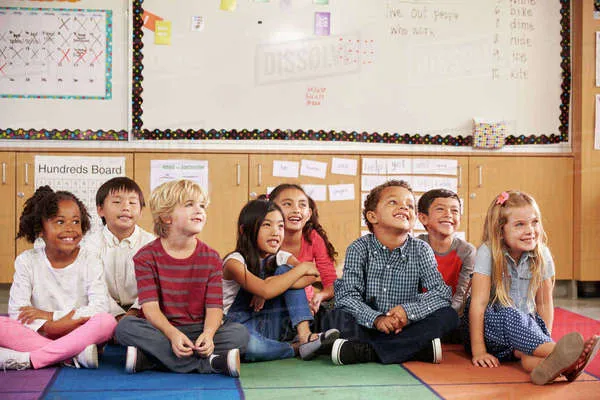
Another challenge of public school is that it has to meet the needs and expectations of a diverse student population. This means that public school has to offer a range of academic options, extracurricular activities, and support services for students who have different interests, goals, and challenges. Public school also has to adjust to changing trends, technologies, and demands in the education field.
Parent Involvement Can Make a Difference
Research has shown that parent involvement is a key factor in student success. You can help your child succeed in public school by:
Communicating with Your Child’s Teachers and Administrators Regularly
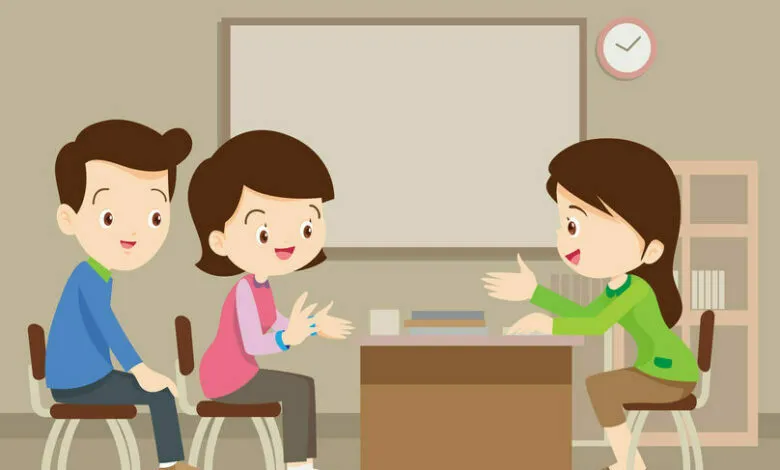
Parent involvement is crucial in the academic success of a child. By actively engaging with teachers and school administrators, parents can stay informed about their child’s education and provide support. Regular communication with teachers can help parents understand their child’s strengths and weaknesses and identify areas where they may need additional help.
There are several ways parents can get in touch with their child’s teachers. One way is to simply ask the school administration for the teacher’s contact information, such as their email address or phone number. Many schools also have an online portal or system that allows parents to communicate with teachers directly. Some schools may also use communication apps or platforms, such as Remind or ClassDojo, which allow parents to send messages and receive updates from teachers.
In addition to these methods, many schools also hold parent-teacher conferences throughout the year, which provide an opportunity for parents to meet with teachers face-to-face and discuss their child’s progress. Parents can also attend open houses and other school events to meet teachers and learn more about their child’s education.
Supporting Your Child’s Learning at Home
Supporting your child’s learning at home can help reinforce the skills and concepts they are learning in school and ultimately lead to greater academic success. You can help your child with homework, encourage reading, provide a quiet study space, and limit distractions. You can also monitor your child’s progress, grades, and attendance. Here are some ways you can support your child’s learning at home:

Establish a regular schedule: Set a specific time each day for your child to do their homework and study. This can help establish a routine and make it easier for your child to stay on track.
Prioritize homework: Make sure your child does their homework first, before moving on to other activities. This can help ensure they are completing their assignments and staying up to date with the material they are learning in school.

Break up study time: It’s important to give your child regular breaks during study time to help them stay focused and avoid burnout. For example, you could have them work for 30 minutes, then take a 10-minute break to stretch, grab a snack, or go for a short walk.
Provide support: Be available to answer questions and provide support as your child works on their homework and studies. However, be careful not to do the work for them - instead, guide them through the process and help them understand the material.
Make it fun: Learning doesn’t have to be boring! Try to find ways to make studying and homework fun for your child. For example, you could use educational games or apps, incorporate hands-on activities, or offer incentives for completing work.
Getting Involved in Your Child’s School Community
You can join the parent-teacher association (PTA), volunteer in the classroom or at school events, participate in fundraisers or donations, and advocate for your child’s needs and rights.
Public school is not a one-size-fits-all option for every child. Choosing the right school for your child can be a daunting task, but understanding the basics of public schools can help you make an informed decision. By considering factors like funding, guidelines, diversity, programs and services, and parent involvement, you can find a public school that meets your child’s unique needs and sets them up for success.
Reference
- Dwight, V. (2016, March 10). Public schools: fact and fiction. Parenting. https://www.greatschools.org/gk/articles/public-school/
- Pellissier, H. (2019, April 17). 15 rights parents have in public schools. Parenting. https://www.greatschools.org/gk/articles/the-greatschools-bill-of-education-rights-for-public-school-parents/
- Schwalbach, J. (2022, November 8). Frequently asked questions on public school open enrollment. Reason Foundation. https://reason.org/faq/frequently-asked-questions-on-public-school-open-enrollment/?gclid=Cj0KCQjwla-hBhD7ARIsAM9tQKu2NJbdAtRD8rZ2Y0x5-kiokoVymMmTSdPM5edT0R5VPyPJDtDAOssaAs_lEALw_wcB
- Snow, C., & Freedom, A. D. (2023, March 28). Everything You Need to Know About Parents’ Rights in Public Schools. Alliance Defending Freedom. https://adflegal.org/article/everything-you-need-know-about-parents-rights-public-schools
- USAHello. (2022, July 7). Learn about the public school system in the USA | USAHello. https://usahello.org/education/children/public-school/
- Wisner, W. (2020, August 2). What to Know About Public Schools. Verywell Family. https://www.verywellfamily.com/public-schools-4776324
Explore Our Courses
Discover courses designed to help your child thrive

Social Emotional Learning
Develop essential life skills including self-awareness, emotional regulation, empathy, and relationship building through evidence-based SEL curriculum.
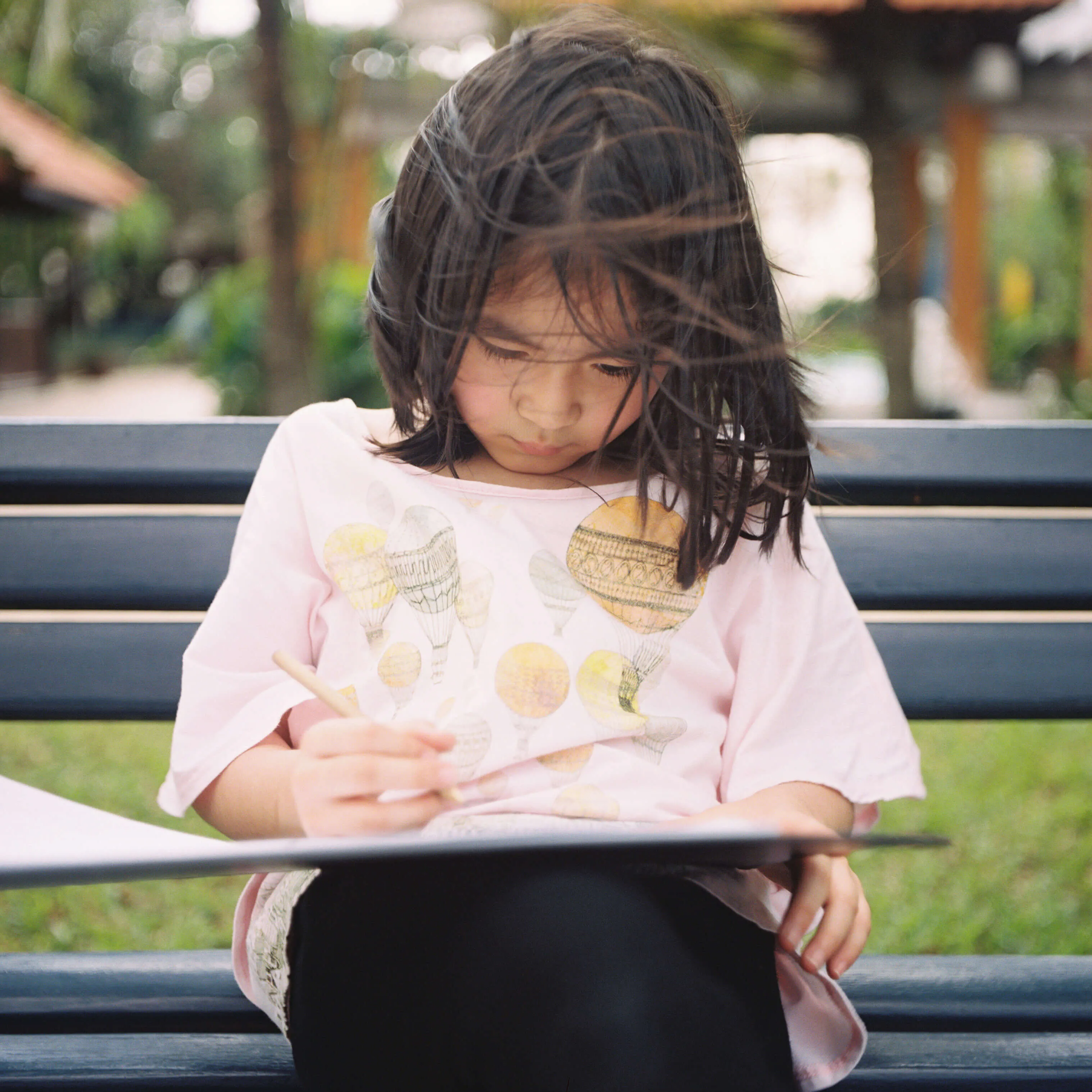
Reading and Writing
Develop comprehensive literacy skills through engaging reading comprehension and creative writing activities designed for Kindergarten to 6th grade students.
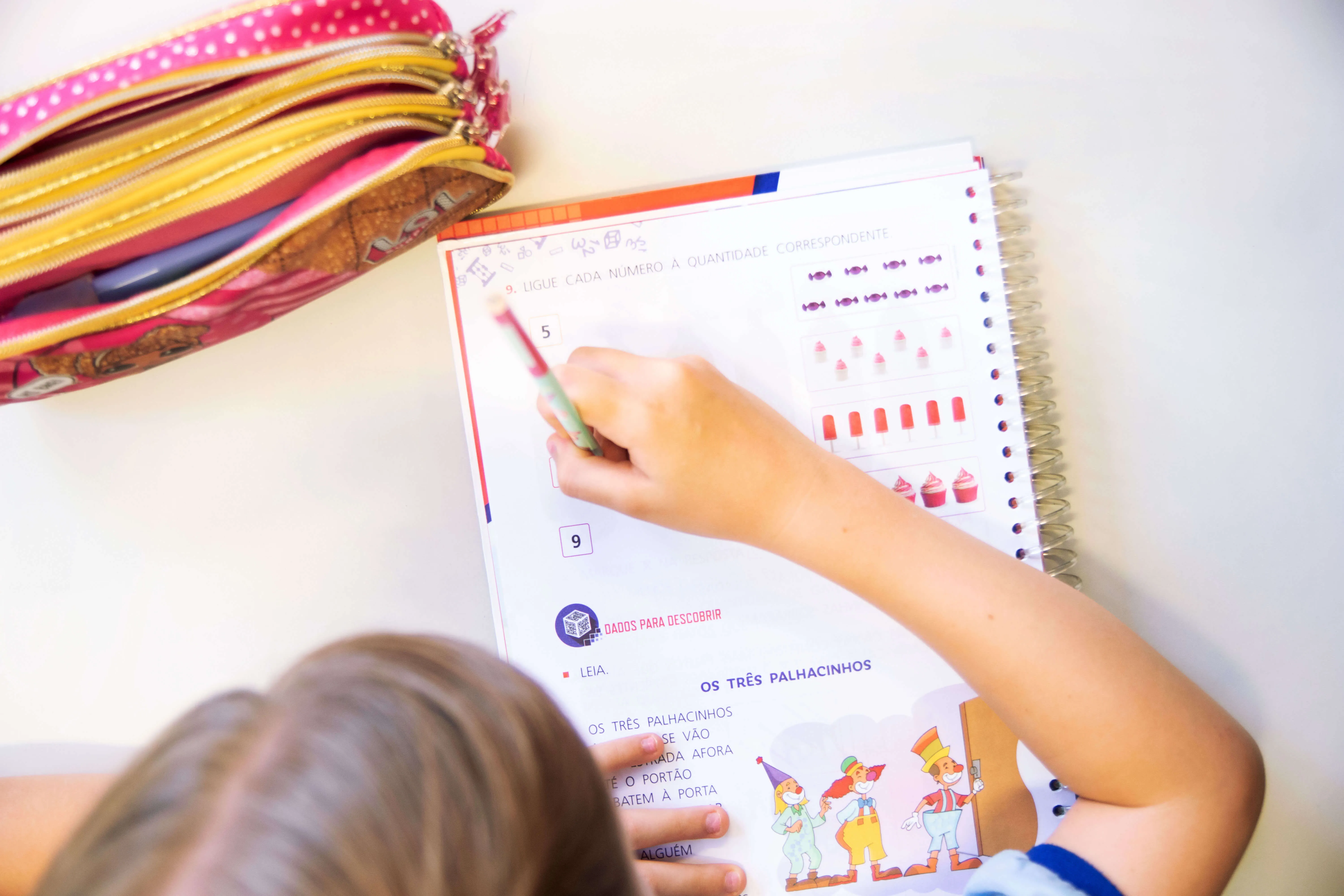
Math
Build strong mathematical foundations through hands-on problem-solving and conceptual understanding, helping Pre-K to 2nd graders develop number sense and critical thinking skills.