
![[Mitchell Rosen: Why it's still important to read a daily newspaper – Press Enterprise]](/assets/img/blogs/mitchell-rosen-why-its-still-important-to-read-a-daily-newspaper-press-enterprise/media/image1.webp)
[Mitchell Rosen: Why it's still important to read a daily newspaper – Press Enterprise]
By Kmind
Reading the news helps children develop global awareness, critical thinking, and news literacy. And they are finally, being informed citizens. They will have the knowledge and confidence to voice their opinions and the compassion to listen and respect others.
Why Reading News?
-
News style is relatively simple and easy to understand
-
The news article structure is clear
News has big headlines, subheads, and important content will be bolded … and when children learn to read and write in the classroom, they learn about headline selection, content overview, timeline arrangement, etc. These are the key points to master and coincide with the approach to news reading and writing.
- The length of the news is short
It meets the characteristics of children’s attention span and is especially suitable as reading material for children’s “intensive reading”.
- Reading newspapers teaches children to read and understand important information quickly
News reading is an entirely different style for children. Important information in a news article is often shared at the beginning of the article, while details and specifics can be skimmed through at the end of the article.
-
Information from authoritative media is more reliable
-
News also helps children know “what is happening in the world today”
Whether it’s a local or national publication, newspaper reading will help kids stay connected to the world around them. National and local events, sports stories, and current news will fascinate children.
How to Start?
We already know that the news has great educational value for children. But how can you encourage your child to develop the habit of reading the news?
Establish a routine
Read the news with your child every day. The best time to do this is in the morning, when the mind is fresh and can absorb information more easily. Plus, knowing what happened in the world the day before will put your child at an advantage and encourage him/her to read the news more often. And, soon, this will become a habit. If your child is too young to read the news on his/her own, read out the day’s important news and explain it in age-appropriate language.
Identify your child’s interests
If you notice that your child is more interested in reading a particular section of the news, then encourage him/her to spend more time reading it. For example, some children like to read everything written in the sports section, while others find the science section interesting. Let your child read the section that he/she likes best. [This will motivate him/her to read the news every day and teach him/her to keep track of the news that interests him/her.] Gradually, you can direct his attention to other topics, such as sports or finance.
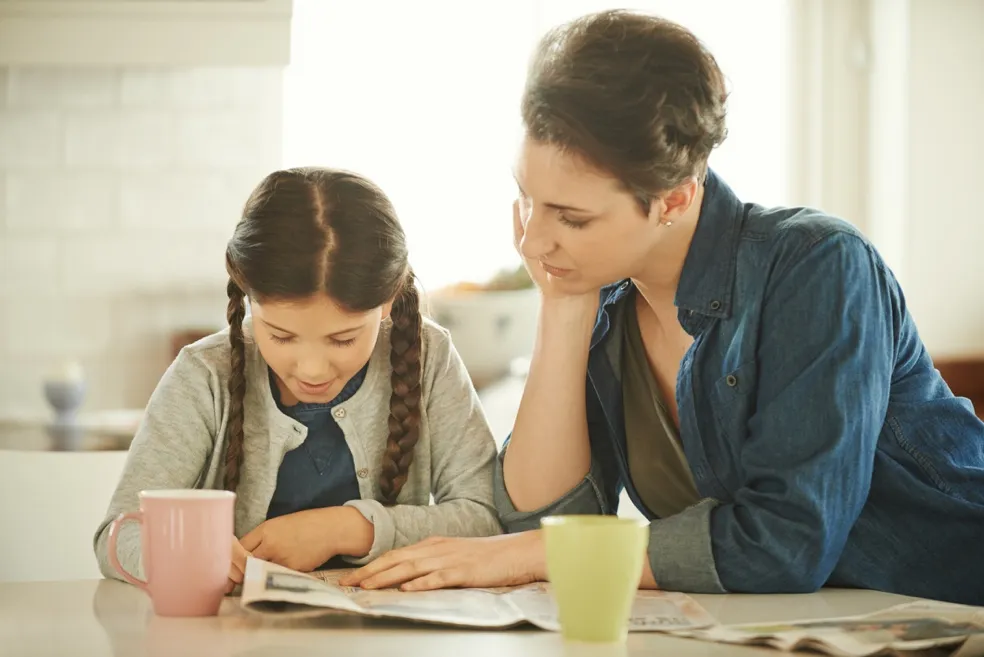
Combine school learning with newspaper reading
You can use the newspaper as an extension of your child’s textbook. For example, you can choose appropriate passages from the newspaper and [give your child practice in reading comprehension]. You can also teach him/her grammar and do vocabulary-building exercises with him/her to help promote language development. Similarly, you can encourage your child to focus on the science and technology sections of the newspaper to increase him/her understanding of what is happening in the science field.
Encourage Your Child to Contribute
One effective way to get your child interested in reading newspapers is to have him/her contribute articles to newspapers or news sites. If your child is between the ages of 6 and 10, then you can encourage him/her to regularly submit articles to a section that invites submissions, such as short stories, poems, drawings, and pictures of crafts. Older children can be encouraged to write letters to the editor on critical civic and political issues. In addition, you can motivate your child to enter contests such as photography, report writing, and quizzes.
Best News Websites
National Geographic Kids Large collection of approachable, fun multimedia resources about animals, habitats, countries, and cultures. (Ages 6+)
BBC Newsround The news outlet has been helping kids make sense of the world since 1972 and continues to do so with an online presence geared towards ages 6 to 12 that gives kids access to news and fun facts at their fingertips. (Ages 6+)
News-O-Matic is a newspaper-style website for kids 7-10 years old. Every day five stories are written by experts and screened by a child psychologist to ensure age-appropriate content. (Ages 7+)
Time for Kids from the same award-winning editorial team that creates TIME magazine inspires young readers to join the national conversation on current topics. (Ages 8+)
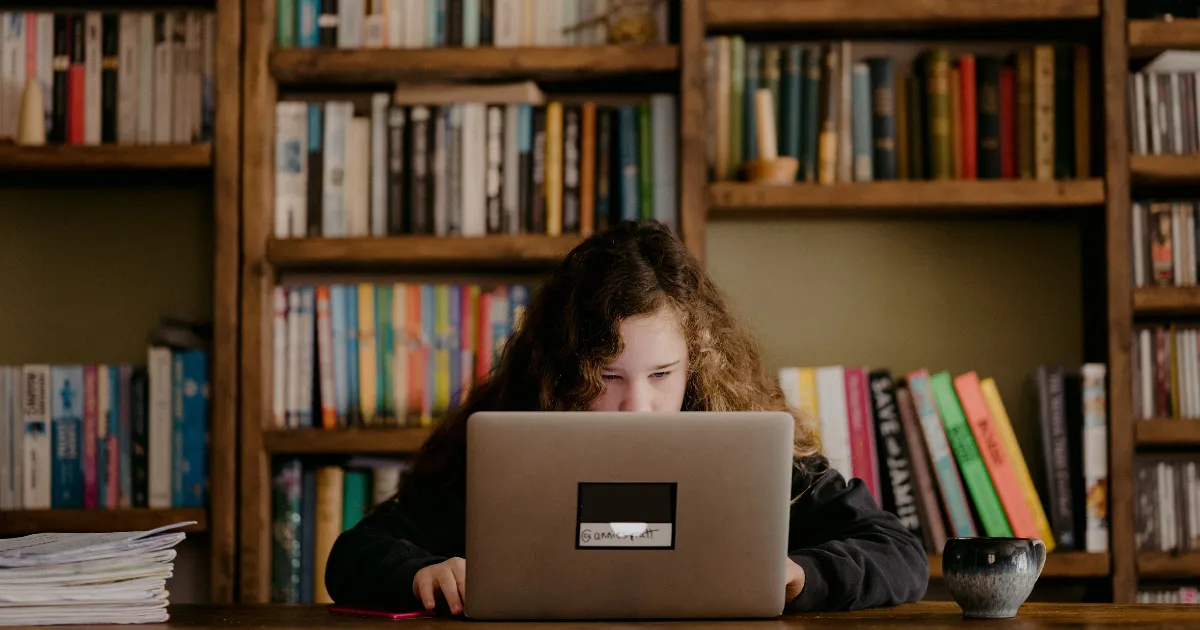
NewsForKids.net was created by a teacher to make the news accessible to kids. They carefully choose high-interest stories appropriate to the audience and present them in a way that is easy to understand. (Ages 8+)
Scholastic Kids Press Corps features news stories from a group of 50 kids ages 9-14. Users can choose content by subject or by reading level, and because it’s written by kids, it’s always at their level. (Ages 9+)
DOGO News has short format articles for kids on current events, science, sports, and more, plus lots of pictures, videos, and an interactive map! (Ages 9+)
Smithsonian: TweenTribune is focused on getting kids to follow the news. Content covers current events as well as pop culture and is divided into different sections by age group. (Ages 10+)
Reference:
Explore Our Courses
Discover courses designed to help your child thrive
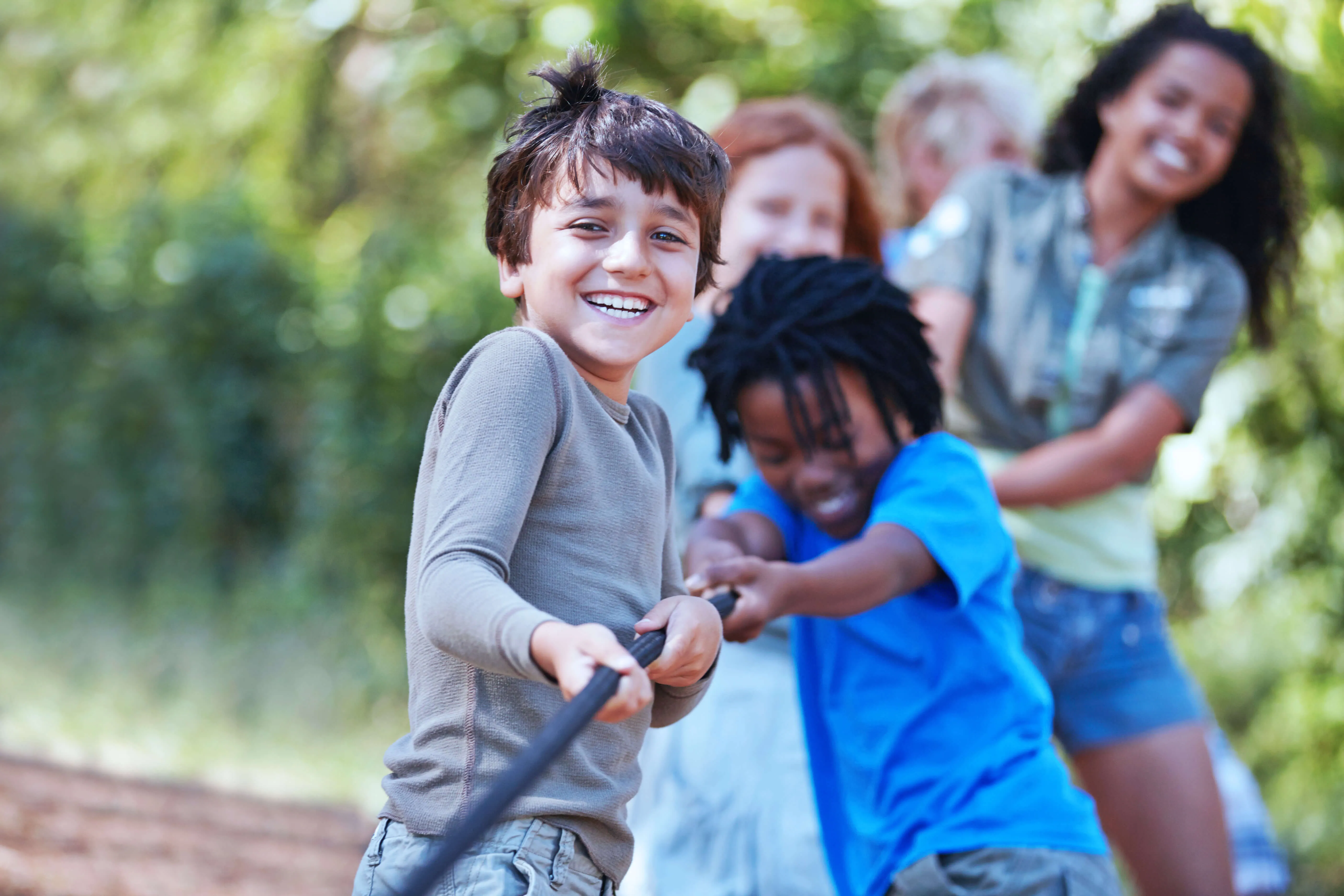
Social Emotional Learning
Develop essential life skills including self-awareness, emotional regulation, empathy, and relationship building through evidence-based SEL curriculum.
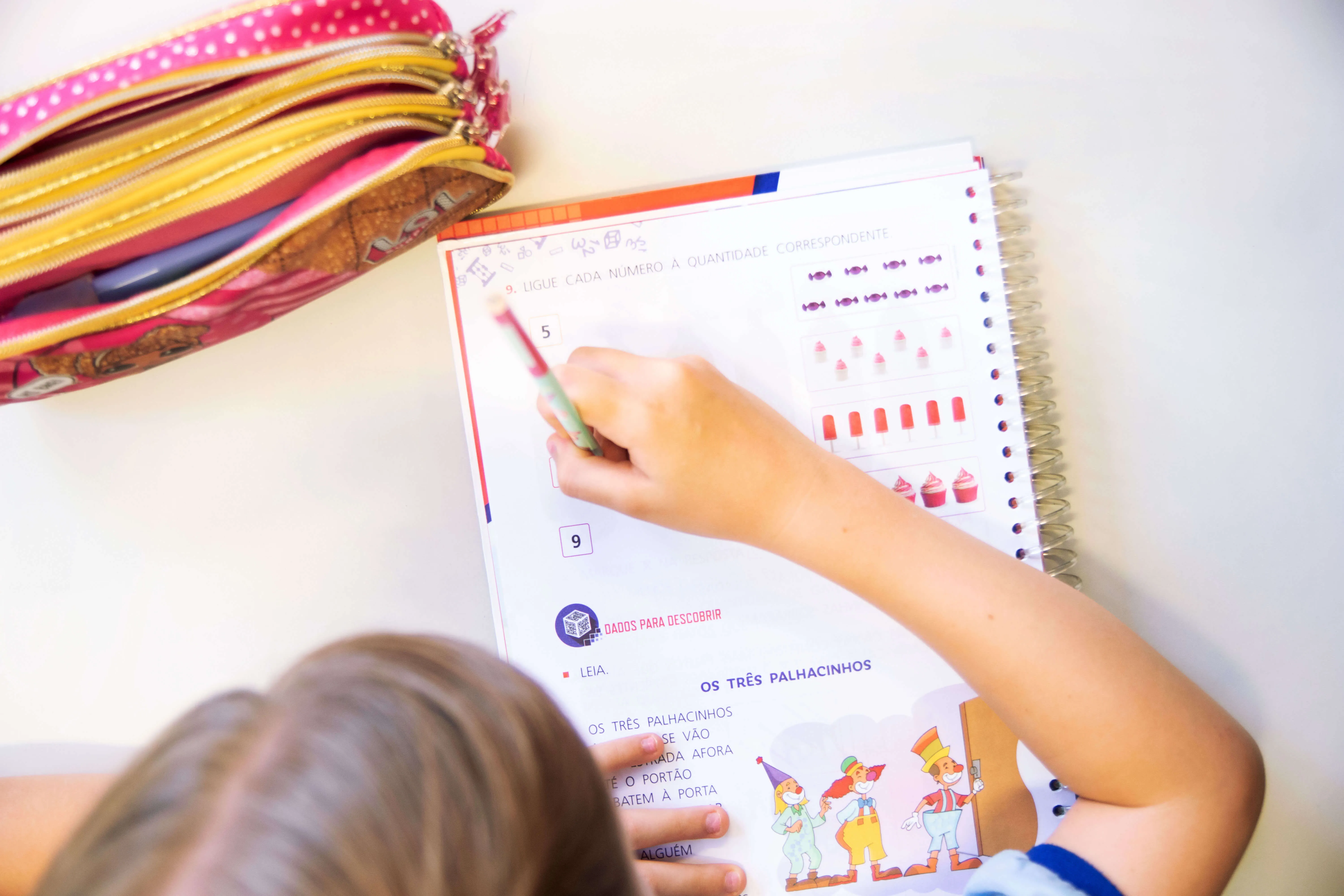
Math
Build strong mathematical foundations through hands-on problem-solving and conceptual understanding, helping Pre-K to 2nd graders develop number sense and critical thinking skills.

Science Research Project
Develop scientific inquiry and research skills through hands-on projects, helping 3rd to 12th graders learn the scientific method, experimental design, and data analysis.