
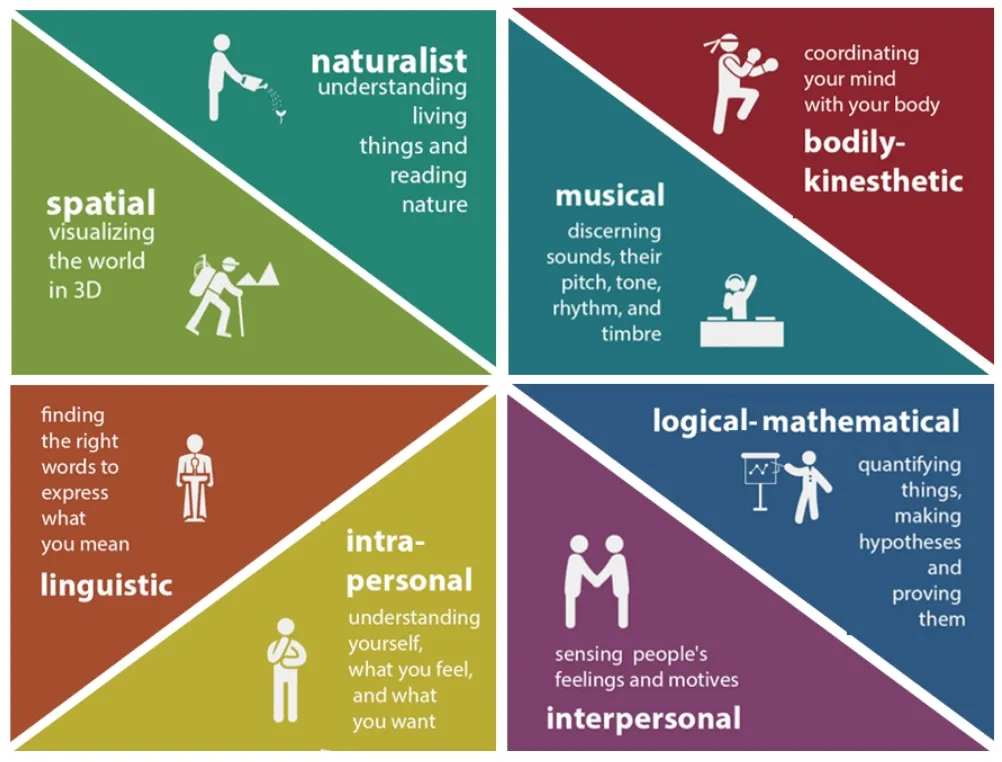
Linguistic Intelligence, one of Howard Gardner's eight multiple intelligences, involves the ability ...
By Kmind
Image Credits: Thrive Global, 2019.
For more information on multiple intelligences theory, please see the previous Kmind article [“8 Types of Intelligence- Howard Gardner’s Theory of Multiple Intelligences”].
Linguistic Intelligence
Have you ever been surprised to see a child talking just like an adult?
Children who manage to impress adults around them with what they ask and say are considered to have the potential for high linguistic intelligence!
Linguistic intelligence involves the sensitivity to spoken and written language, the ability to learn languages, and the capacity to use language to accomplish specific goals.
Characteristics of Linguistic Intelligence
-
Enjoy writing
-
Strong editing skills
-
Pay attention to detail
-
Have the ability to explain, analyze and interpret things without difficulties
-
Enjoy constantly seeking knowledge and new reading material
-
Have a good memory and easily remember trivia facts and quotes
Potential Career Choices
-
Writer
-
Poet
-
Lawyer
-
Speaker
-
Editor
-
Critic
-
Journalist
-
Teacher
-
Publisher
-
TV or Radio Presenter
-
Speech Therapist
-
Interpreter

Milestones of Linguistic Intelligence
4 to 5 years
-
Understands spatial concepts, such as “behind” or “next to”
-
Understands complex questions
-
Speech is understandable but makes mistakes pronouncing long, difficult, or complex words, such as “hippopotamus”
-
Uses some irregular past tense verbs, such as “ran” or “fell”
-
Describes how to do things, such as painting a picture
-
Lists items that belong in a category, such as animals or vehicles
-
Answers “why” questions

5 years
-
Understands time sequences (for example, what happened first, second, or third)
-
Carries out a series of 3 directions
-
Understands rhyming
-
Engages in conversation
-
Sentences can be 8 or more words in length
-
Uses compound and complex sentences
-
Describes objects
-
Uses imagination to create stories
Activities to Enhance Linguistic Intelligence
Keep a Diary
Regular writing is the best way to improve children’s writing skills. If they write a diary every day, you will soon see an improvement in how they express themselves. In addition, registering in a journal can improve other intelligences, especially intrapersonal intelligence, as it increases their self-awareness and introspective ability.
Read Books, Magazines, and Articles on Various Topics
The second most effective way to improve linguistic intelligence is reading books and magazines on various topics. You can also try helping your kids write a review when they’re done to help them practice articulating what they’ve learned.
Reading Logs
 A reading log is actually a diary or a journal which lets a person record their reading activity. It is basically a note of what you have read so far, when you read it and how many pages did you read. It simply summarizes what a person reads, highlighting the date, pages and sometimes, interested readers also mention the name of the author, the plot, their favorite scene, the climax and much more, depending on their preference. Reading becomes more fun when children have a handy record of books. Being a great tool for readers, it helps them in maintaining a dated log or reading their diary or journal. You can find this type of reading log on Amazon.
Watch movies and news channels
Stories on Grandparents’ laps are evidently engrossing, but these are the inception of a lifelong consuming process. You may watch English news channels and movies (with good vocabulary) where appropriate words are fitted for scenes. What makes this divergent from reading books is the visual cue they offer. People are often fonder of optical means than others.
Speak in Complete Sentences
When children are able to speak or communicate in complete sentences, this goes to show that they have proficient knowledge of the language. Using fuller sentences also determines they possess an army of words — and they are able to express their thoughts clearly. This helps develop their verbal skills. One of the critical characteristics of a linguistically intelligent person is being able to communicate ably. When they speak in complete meaningful sentences, they can structure their thoughts better and efficiently express them.
Word Games
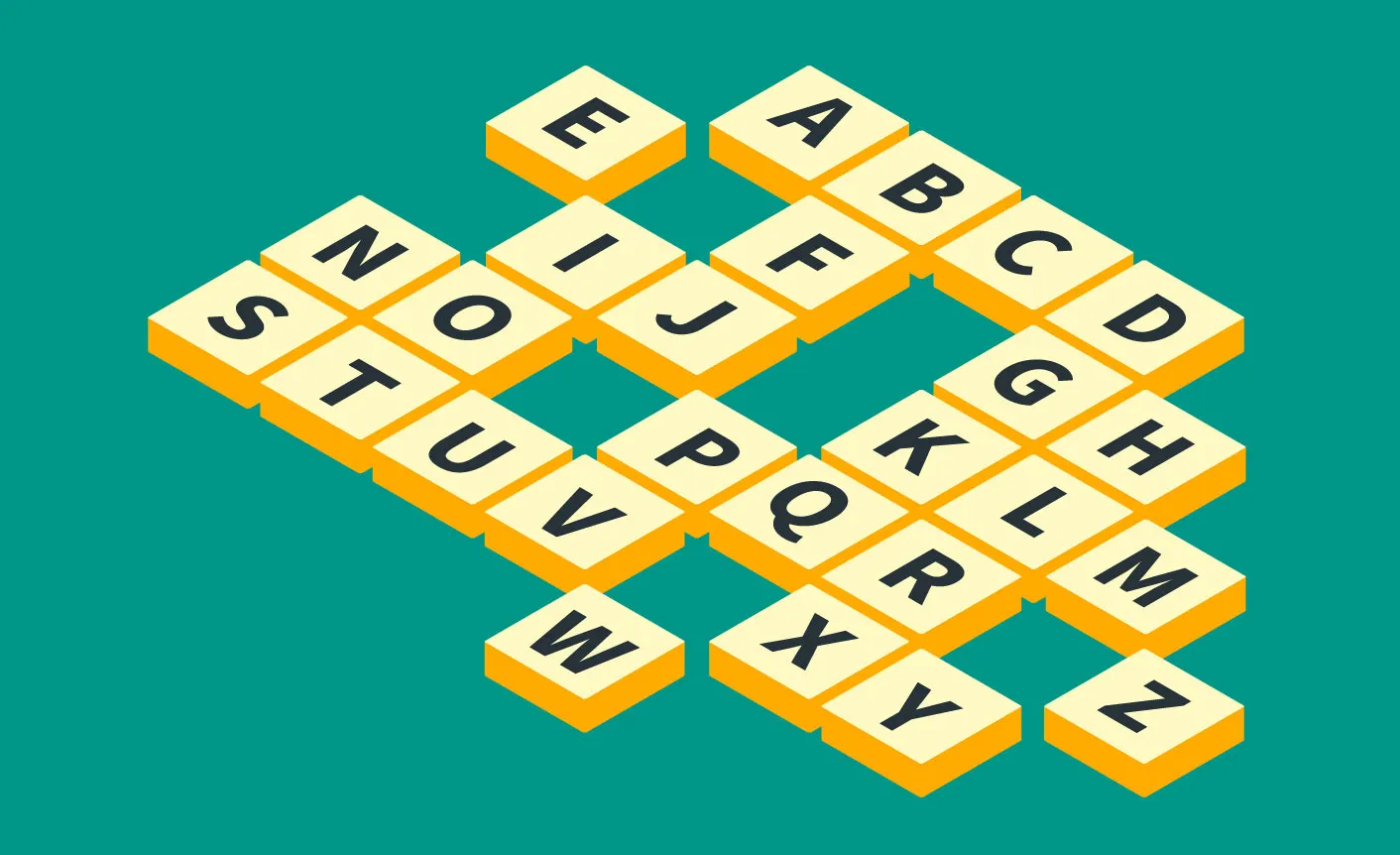
Games like Scrabble, Boggle, Banana grams, word search, jumbled words or crosswords can facilitate learning, keep your kids entertained and develop their linguistic intelligence in the process.
Learn a New Word Every Day
Learning a new word every day is a great way to improve your kids’ vocabulary, which will make them more effective speakers and writers (communication skills in writing and speaking are very important nowadays). Many dictionary websites have the word of the day option; it’s a good idea to subscribe and receive it.
Reference:
www.multipleintelligencesoasis.org
fairborndigital.us
sintelly.com
cllab.org
Explore Our Courses
Discover courses designed to help your child thrive

Public Speaking and Debate
Master public speaking and competitive debate through structured training in argumentation, rhetoric, and persuasive communication for grades 3-12.

Leadership Development
Cultivate leadership qualities through communication training, teamwork exercises, and ethical decision-making practice for students K-12.
Phonics
Build a strong reading foundation through systematic phonics instruction, helping Pre-K to 1st graders master letter sounds, blending, and decoding skills.