

How to Set New Year’s Resolutions with Your Kids
By Kmind
For many of us, the New Year means it’s time to take stock of our lives and fix what we don’t like. Whether it’s our diet, exercise habits or tendency to procrastinate, there is always room for improvement in the coming year.
It’s a commendable practice, no matter the success rate, and it’s something Dr. Carrie Thomas, Psy.D encourages us to share with our kids. “We often turn to praise a child in order to build their self-confidence,” she said. “This certainly plays a role, but [a child’s self-confidence is greatly impacted by working toward a goal and seeing it through].”
Not only do we benefit from New Year’s resolutions; but our children can also learn a lot about the value of self-discipline and goal setting. Kids ages 7-12 are at the ideal stage to learn to make resolutions. They can understand if there’s something we don’t love about who we are, or what we’re doing, we can work to fix it. We can make a plan to make who we are better. It’s this growth mindset that plays a huge role in their life successes. Here are some tips on how to help your child benefit from making resolutions.
New Year’s Resolutions Must Be Their Decisions
Our goal is not to make our children feel bad about themselves or their shortcomings. Or to try to make them be perfect versions of themselves.
But with a clear message that everyone needs to work for themselves and grow, kids will get used to personal development and self-improvement. And it won’t be a hard or painful job.
One word of caution. While we do want to guide our children and help them figure out ways to better themselves, it has to be their decision. If we tell them what they have to do, what they have to try, or what they have to give up, their resolutions are not going to stick.
 They need to choose these resolutions and goals for themselves. They have to decide what is best for them and what they are willing to change.
Be Resolution Role Models
As a parent, it is vital that your words are consistent with your actions. Share your resolutions with your children. Children watch you and learn how to approach the task. Try to explain your resolution clearly and encourage your children to follow suit.
Kids want very much to be like their parents. They will be more likely to engage in behaviors when they see their parents modeling healthy behaviors, acting positively toward them, and witnessing them feeling happy and accomplished when they achieve their health or self-improvement goals.
Set Realistic Goals
There’s no faster way to give up on a resolution than to realize it is never going to be within your reach. For kids in particular, with their big imaginations, it can be especially important to strike the right balance between aspirational and attainable.
!(/assets/img/blogs/how-to-set-new-years-resolutions-with-your-kids/media/image3.webp)Help kids craft a sustainable plan by following the same SMART guidelines you would use for a goal: Make sure it’s:
SPECIFIC: The resolution should include your child’s goal, the skill your child is working on, and how your child will achieve it: “I want to wake up earlier each morning to have more time for my morning routine.”
MEASURABLE: Your child should track progress --- on a chart or in regular check-ins with you: “I’ll start setting my alarm clock earlier by 10 minutes each week. Plus, I’ll write on my calendar the time when I actually woke up to measure progress.”
ATTAINABLE: The goal should be ambitious but realistic --- something that will stretch your child’s skills without being overwhelming: “My schedule allows me to go to bed at a decent time each night, so waking up earlier won’t take many hours of rest.”
RELEVANT: The resolution should relate to your kids’ values, dreams, and ambitions. For example: “I feel rushed trying to get to school each day, so waking up early would help me feel calmer.”
TIME-BASED: Your child’s resolution should specify a reasonable time frame and can include mini-goals along the way (mini-successes can be very motivating). “In six weeks, I want to wake up an hour earlier than when I usually wake up now.”
For more information, please see Kmind previous article: [“How to Help Kids Set and Achieve Goals.”]
Different Resolutions for Different Ages
What your child needs to work on depends on your child. If you are concerned about his diet, then encourage healthier eating habits for him as well as the whole family. If your daughter’s room is a mess, try to help her commit 10 minutes a day to cleaning it. As your child ages, he can be more active in coming up with goals, which will mean more to him when he achieves them.
For preschool-aged children, the American Academy of Pediatrics (AAP) recommends resolutions that focus on cleaning up toys, brushing teeth and washing hands, and being kind to pets. However, parents who consider these behaviors part of their regular expectations may want to provide resolutions that focus on higher goals.
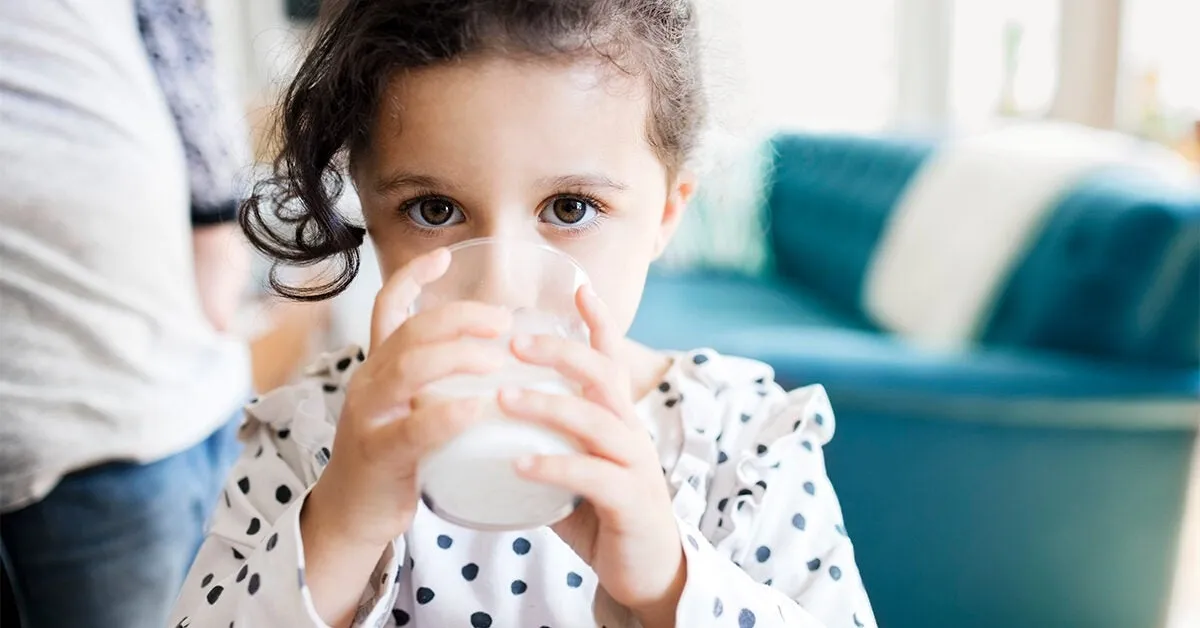
As a child reaches age 5 and up to age 12, he or she is more able to comprehend a resolution and participate more in the process of picking one. The AAP suggests this age group commit to drinking more milk and water on a daily basis, wearing a seat belt, and being friendly to all children. What your child needs to work on is very personal, so work with your child to come up with areas for improvement. Is she having trouble with a certain subject at school that needs more attention? Is he oversleeping and nearly missing the bus most mornings?
When your child gets into adolescence, the AAP recommendations focus more on the child taking more responsibility for his actions, including taking care of his body, dealing with stress in a healthy way, talking through conflict, resisting drugs and alcohol, and helping others through community service.
Create a Vision Board
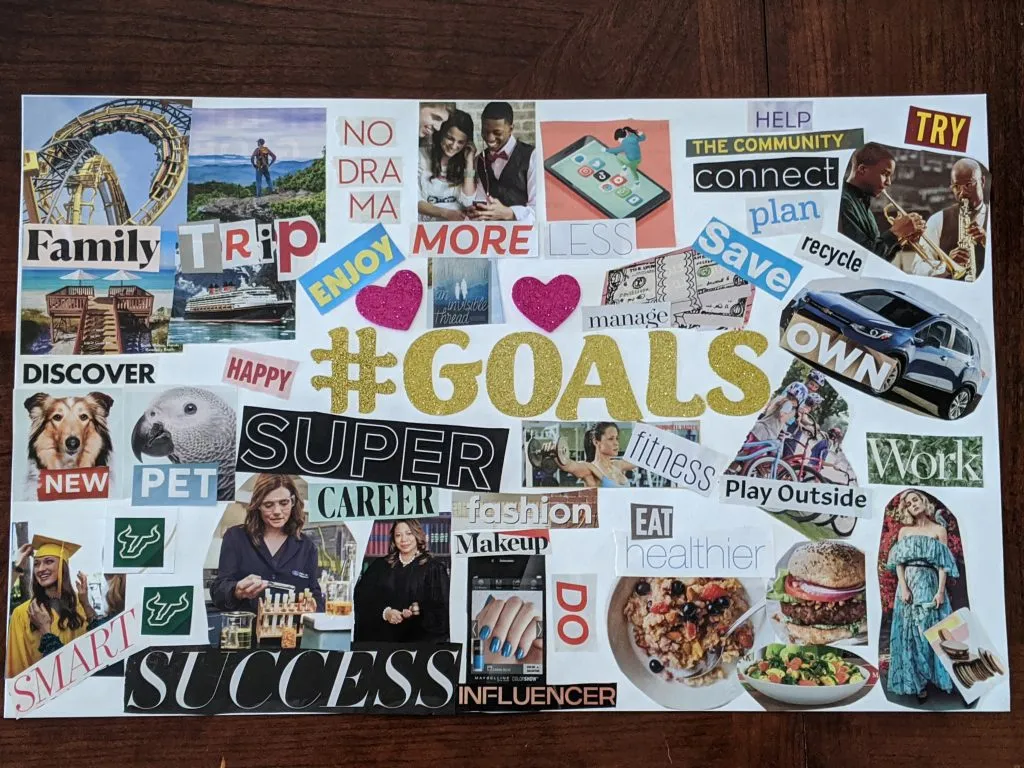
Think of it as a family brainstorm, a vision board allows everyone to participate in setting fun and health improvement goals for the new year. The key is to keep each resolution positive. Begin the discussion by prompting each family member to consider what healthy habits they would like to engage in more in the coming year (think simple, such as eating more fruit, reading more books, playing video games for a limited time each day, etc.) Then, invite each person to cut out photos to illustrate their intentions.
 Rewards Are Long Lasting
We all know the feeling of meeting a goal, whether it be losing five pounds, quitting smoking, or putting in extra hours to earn a promotion. Children also relish that thrill of accomplishment, especially when their parents are acknowledging it. As you go over the family list of resolutions each month or quarter, take time to acknowledge the successes, along with reinforcing the resolutions that need more attention. Children will benefit by having their parents praise them, which will improve their self-esteem. This will help them with self-regulatory behaviors that they can integrate into being a healthy adult.”
Reference
- Black, N. (2018, January 2). How to Help Your Kids Make New Year’s Resolutions…That They’ll Actually Enjoy. Messy Motherhood. https://messymotherhood.com/help-kids-make-new-years-resolutions-theyll-actually-enjoy/
- How to Help Kids Make New Year’s Resolutions. (2022, December 16). Parents. https://www.parents.com/holiday/new-years/resolution/smart-new-years-resolutions-kids-can-make/
- Khanna, S. (2022, December 26). How to Set New Year’s Resolutions With Kids. The Everymom. https://theeverymom.com/how-to-set-new-years-resolutions-with-kids/
- Kids, P. (2021, November 2). Making New Year’s Resolutions with Your Child | Parenting Tips & Advice. PBS KIDS for Parents. https://www.pbs.org/parents/thrive/making-new-years-resolutions-with-your-child
- New Year’s Resolutions for Kids with Free Printables. (2020, January 31). https://www.rewardcharts4kids.com/new-years-resolutions-for-kids/
- Use These New Year’s Resolutions to Keep Your Kids Healthy. (2022, December 15). Verywell Family. https://www.verywellfamily.com/new-years-resolutions-for-kids-p2-2634000
- Wright, L. W. (2020, December 3). How to help your child set a New Year’s goal --- and stick with it. https://www.understood.org/en/articles/how-kids-with-learning-and-thinking-differences-can-set-and-stick-to-new-years-goals
Explore Our Courses
Discover courses designed to help your child thrive

Writing Class
Master the art of written expression through structured writing workshops, helping 1st to 6th graders develop storytelling, essay writing, and creative composition skills.
Phonics
Build a strong reading foundation through systematic phonics instruction, helping Pre-K to 1st graders master letter sounds, blending, and decoding skills.

Social Emotional Learning
Develop essential life skills including self-awareness, emotional regulation, empathy, and relationship building through evidence-based SEL curriculum.