
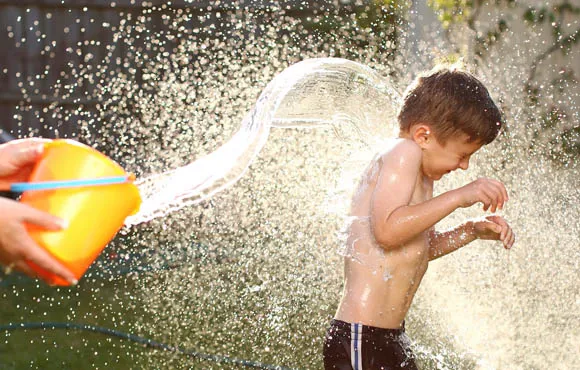
How to hug nature with your kids
By Kmind
Why: While we all appreciate the environment around us, today’s digital age has us focused more on the glow of screens than the glow of a sunset. In fact, one study found that spending just two hours per week exploring nature leads to better health and well-being. A growing body of research suggests spending time in nature promotes better attention spans, self-discipline, creativity, physical fitness, and social connection in children. It can also help lower stress levels and make them more engaged in learning.
Our goal: Let being [outdoors is not only fun for kids, but it also helps foster their intellectual, emotional, social, and physical development.] The goal is to get them engaged and excited to learn, and that’s not hard to do when you’re surrounded by the beauty of nature.
How:
- Let Them Get Dirty
-
[If your little one is anxious to crawl in the dirt to get a better look at bugs, then go for it!]
-
[Research suggests that ]kids who play in the dirt[ are exposed to bacteria, germs, viruses, and parasites that can help build their immune system and reduce the risks of certain allergies and illnesses later in life.]
- Have Them Lead the Way
-
When it comes to younger children, encourage them to stop to turn over rocks, touch moss, and, when they can, climb on and over rocks and fallen trees.
-
Whatever the environment, which you assess for any unreasonable hazards, the toddler can set the pace---stimulating confidence, agility, problem-solving, creativity, and a sense of wonder.
- Get Creative
-
Researchers suggest pretend play, such as using a stick as a sword or magic wand.
-
Making up stories about the items found during your walk.
-
Collecting rocks while on your nature walk can later be painted and repurposed as beautiful works of art.
- Create a Scavenger Hunt
Before going on your nature walk with your child, collaboratively create a list of items on a 3x5 index card to be found on your walk, and have fun locating the items on your list.
Scavenger hunt items also make great art supplies---for example, pinecones can become bird feeders or shells can be turned into decorative ornaments.
Let Older Children Be More Adventurous
For the older kids, it’s all about making a deeper connection with the world around them.
You can encourage them to connect with nature on a deeper level by exploring their senses.
Try having them walk barefoot on different surfaces to enhance the noticing of texture and terrain.
If you’re feeling a little more adventurous, covering their eyes in order to focus on the remaining senses.
Walk through the woods or a field, or along a creek, and have your kids report what they smell then write it down in a nature journal.
Reference: verywellfamily.com
Explore Our Courses
Discover courses designed to help your child thrive

Public Speaking and Debate
Master public speaking and competitive debate through structured training in argumentation, rhetoric, and persuasive communication for grades 3-12.

Writing Class
Master the art of written expression through structured writing workshops, helping 1st to 6th graders develop storytelling, essay writing, and creative composition skills.
Social Emotional Learning
Develop essential life skills including self-awareness, emotional regulation, empathy, and relationship building through evidence-based SEL curriculum.