

How to Help Your Child Improve Their Reading Fluency
By Kmind
What is reading fluency:
Reading fluency refers to the ability to read accurately, smoothly, and expressively. Fluent readers automatically recognize words without struggling with decoding problems. When reading silently, in addition to automatically recognizing words, fluent readers quickly group words to help derive meaning from the reading, which then translates into comprehension of the text. When reading out loud, fluent readers sound natural, as if they were speaking. Readers who are not fluent read slowly and sound disfluent.
Why reading fluency is important:
Fluency is important because it creates a bridge between word recognition and comprehension. It gives students time to focus on what the text is saying. They are able to relate what they read to their background knowledge. As a result, they are able to focus on comprehension. On the other hand, readers who are not fluent must spend more time decoding, leaving less time to comprehend the text. Due to errors made while reading, they often have to read the same passage several times to achieve comprehension. In addition, non-fluent readers often do not have the ability to read expressively.
Ways to improve reading fluency:
- Model fluency with read-aloud
Even if your child is old enough to read by himself, it’s helpful for him to hear someone more practiced read to him. Adults can model expression, phrasing, pace, and so much more when they read to kids.
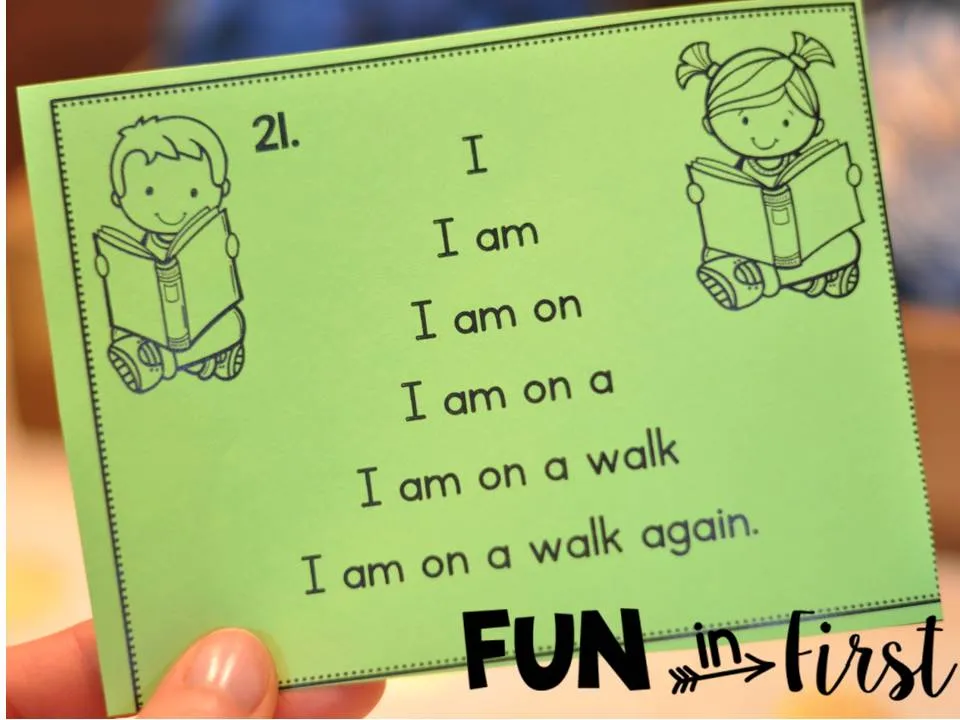 Try sentence trees
Sentence trees are terrific for building fluency in younger readers. They allow kids to focus on each word, improving accuracy and speed along the way.
- Put together poems and nursery rhymes
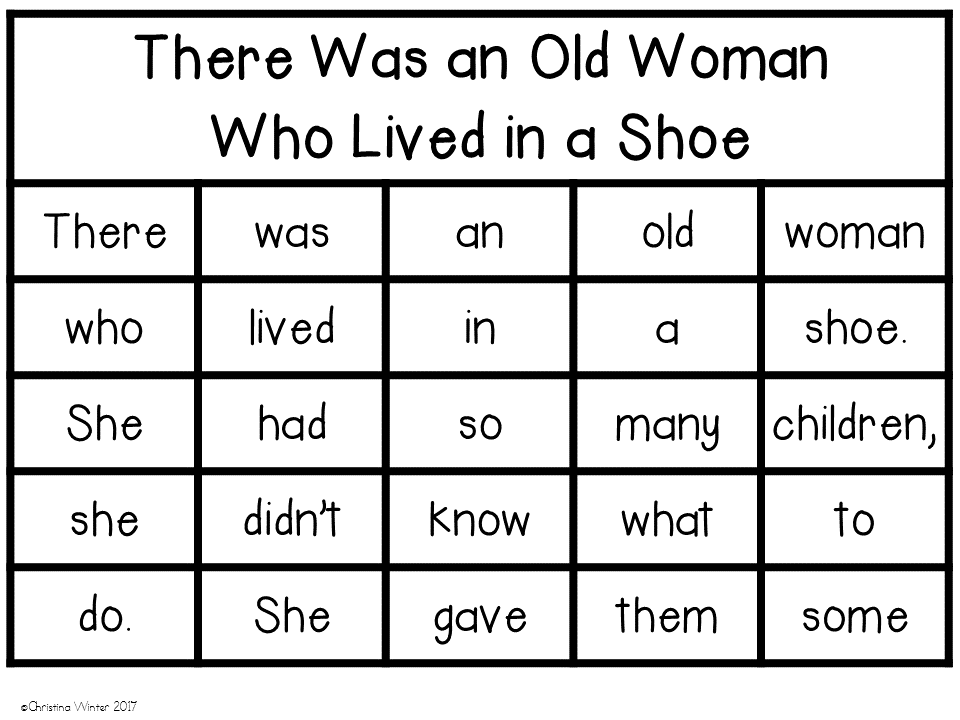
Kids often memorize nursery rhymes long before they learn to read. By breaking those rhymes apart into individual words and putting them back together again, kids see how words build into sentences and stories in a natural flow.
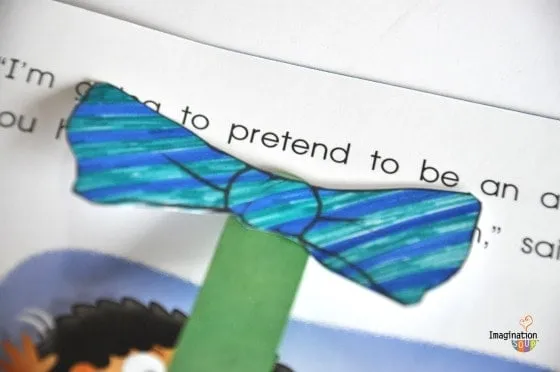 Use line tracking and word pointers
For some kids, focus is a challenge. Their eyes wander around the page, and they have trouble developing the speed needed for fluency. Use another piece of paper to help them focus on the line they’re reading, or try pointing to the words one by one.
- Read and reread … and reread
Fluency involves lots and lots of reading and rereading. When kids read a passage over and over again, they build up their speed and accuracy automatically. One fun way to work on expression is to try rereading with different voices.
- Add a timer to rereading
Combine repeated reading with a timer. Students read a passage for one minute, working to increase the number of words they correctly read each time. This is a nice tool for working on speed and accuracy.
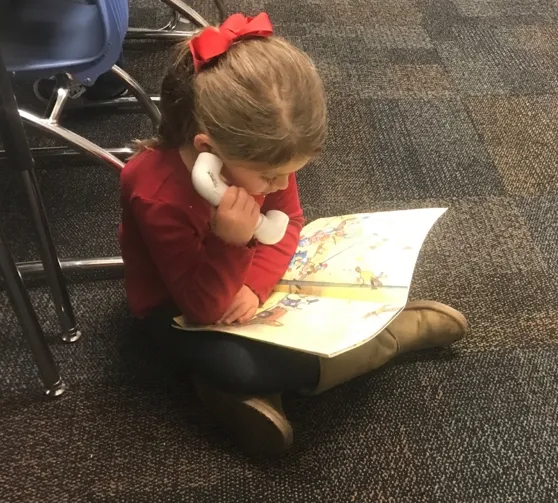
- Answer the fluency phone
These are such a fun tool for helping kids really hear themselves read! They’re great for busy classrooms and reading centers. Kids talk softly into the phone, and the sound is amplified in their ears.
- Build Sight Word Vocabulary
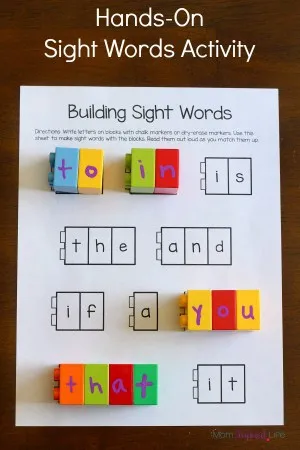
Sight words, sometimes known as core words, are the foundation of a child’s reading and writing skills.3 If he can’t quickly recognize common words, your child is more likely to stumble as he tries to sound out everything he reads.
- Practice Critical Reading
Fluency isn’t just about being able to recognize the words and read them expressively at a good pace. It’s also about understanding what you’ve read and being able to evaluate that information. Critical reading is a critical skill for third, fourth, and fifth graders.
- Look for Reading Problems
Though you may not like to admit it, sometimes a non-fluent reader is having trouble because of an underlying learning disability. If the strategies you’re trying to improve reading fluency don’t seem to be working, keep your eye out for other signs of reading problems.
Explore Our Courses
Discover courses designed to help your child thrive
Phonics
Build a strong reading foundation through systematic phonics instruction, helping Pre-K to 1st graders master letter sounds, blending, and decoding skills.

Writing Class
Master the art of written expression through structured writing workshops, helping 1st to 6th graders develop storytelling, essay writing, and creative composition skills.

Public Speaking and Debate
Master public speaking and competitive debate through structured training in argumentation, rhetoric, and persuasive communication for grades 3-12.