

How to Help Your Child Become a Better Reader
By Kmind
Reading is one of the most important skills that your child can develop. It opens the door to a world of knowledge, imagination, and creativity. Reading also helps your child develop critical thinking, vocabulary, and comprehension skills that are essential for academic success and lifelong learning.
However, reading is not always easy or enjoyable for some children, especially if they struggle with comprehension, fluency, or motivation. That’s why reading strategies are essential tools that can help children overcome reading challenges and become more confident and proficient readers.
What Are Reading Strategies?
Reading strategies are techniques or methods that readers use before, during, or after reading to help them understand and remember what they read. Reading strategies can be divided into three categories: cognitive, metacognitive, and motivational.
Cognitive strategies are the mental processes that readers use to make sense of the text, such as decoding words, making predictions, asking questions, summarizing, making connections, visualizing, inferring, and synthesizing.
Metacognitive strategies are the ways that readers monitor and regulate their own reading process, such as setting goals, planning, selecting appropriate strategies, checking comprehension, evaluating progress, and reflecting on strengths and weaknesses.
Motivational strategies are the factors that influence readers’ interest and engagement in reading, such as choosing texts that match their preferences and needs, setting challenges, seeking feedback, rewarding themselves, and sharing their opinions and reactions with others.

Why Are Reading Strategies Important?
Reading strategies are important because they help children improve their comprehension, fluency, and motivation in reading. Research shows that reading strategies can enhance children’s comprehension by helping them activate their prior knowledge, make predictions and inferences, monitor their understanding, clarify confusion, and integrate new information with existing knowledge.
How To Improve Children’s Reading Strategies?
As a parent, you can play an important role in helping your child develop and use reading strategies. Here are some tips on how to do so:
Read aloud to your child every day.
Reading aloud is one of the best ways to expose your child to a variety of texts, genres, and styles. It also helps them hear how words are pronounced, how sentences are structured, and how stories are organized. Reading aloud also gives you an opportunity to model fluent reading, expression, and intonation. You can also ask questions, make predictions, and share your opinions about the text to engage your child in a meaningful conversation.

Let your child choose what they want to read.
One of the key factors that influence reading motivation and enjoyment is choice. When your child has a say in what they read, they are more likely to be interested and engaged in the text. They are also more likely to explore different topics, genres, and authors that suit their preferences and interests. You can help your child find books that match their reading level and interest by visiting the library, browsing online bookstores, or asking for recommendations from teachers or friends.
Ask questions before, during, and after reading.
Asking questions can help children activate their prior knowledge, make predictions, monitor their understanding, and reflect on what they have read. Questions can also encourage children to express their opinions, feelings, and connections to the text. Some examples of questions that parents can ask are:

- Before reading: What do you think this book is about? What do you already know about this topic? What do you want to learn from this book?
- During reading: What is happening in the story? How do you think the characters feel? What do you think will happen next?
- After reading: What did you learn from this book? What was your favorite part? How does this book relate to your own experiences?
Encourage your child to read widely and often
Reading is a skill that improves with practice. The more your child reads, the more they will improve their fluency, accuracy, and comprehension. Reading widely also exposes your child to a range of texts that can expand their knowledge, vocabulary, and perspective. You can encourage your child to read widely and often by setting aside a regular time for reading at home, creating a cozy and inviting reading space, providing access to a variety of reading materials, and celebrating their reading achievements.
Reading is a skill that can enrich your child’s life in many ways. By following these tips, you can help your child become a better reader and a lifelong learner.
Reference
- 7 Reading Strategies & Techniques to Teach Students | Prodigy. (2021, October 12). Prodigy Education. https://www.prodigygame.com/main-en/blog/reading-strategies/
- Cassie. (2022, July 4). 6 Reading Comprehension Strategies Every Student Can Use. Teach Starter. https://www.teachstarter.com/us/blog/reading-comprehension-strategies/
- Edsys. (2020, January 30). 20 Effective Reading Strategies For Students. Edsys. https://www.edsys.in/reading-strategies/
- Metivier, A. (2022). 7 Active Reading Strategies That Help You Remember More. Magnetic Memory Method - How to Memorize With a Memory Palace. https://www.magneticmemorymethod.com/active-reading-strategies/
- Minero, E. (2019). 6 Elementary Reading Strategies That Really Work. Edutopia. https://www.edutopia.org/article/6-elementary-reading-strategies-really-work
Explore Our Courses
Discover courses designed to help your child thrive
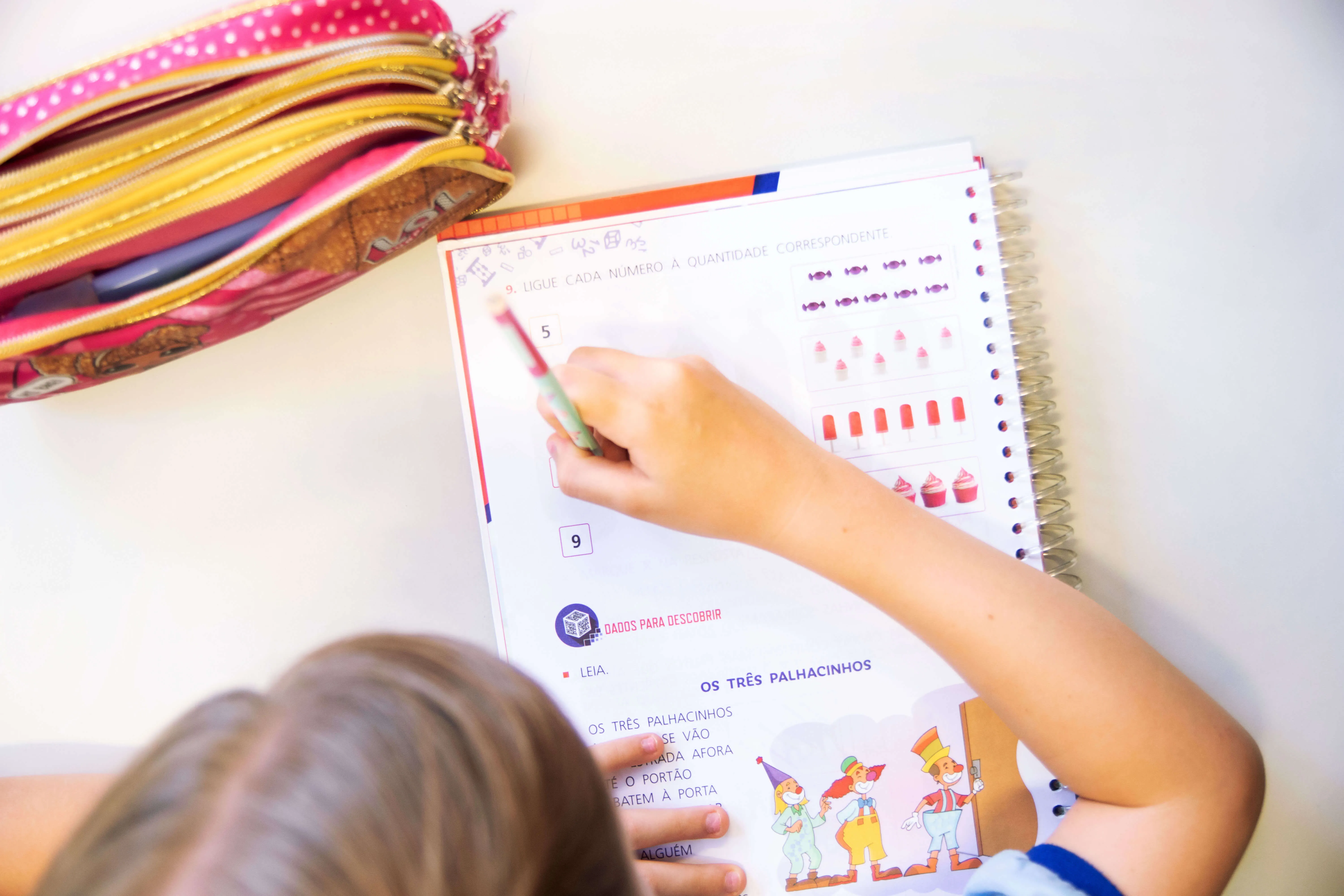
Math
Build strong mathematical foundations through hands-on problem-solving and conceptual understanding, helping Pre-K to 2nd graders develop number sense and critical thinking skills.

Social Emotional Learning
Develop essential life skills including self-awareness, emotional regulation, empathy, and relationship building through evidence-based SEL curriculum.

Public Speaking and Debate
Master public speaking and competitive debate through structured training in argumentation, rhetoric, and persuasive communication for grades 3-12.