
How to Get Better Nutrition for Your Kids
By Kmind
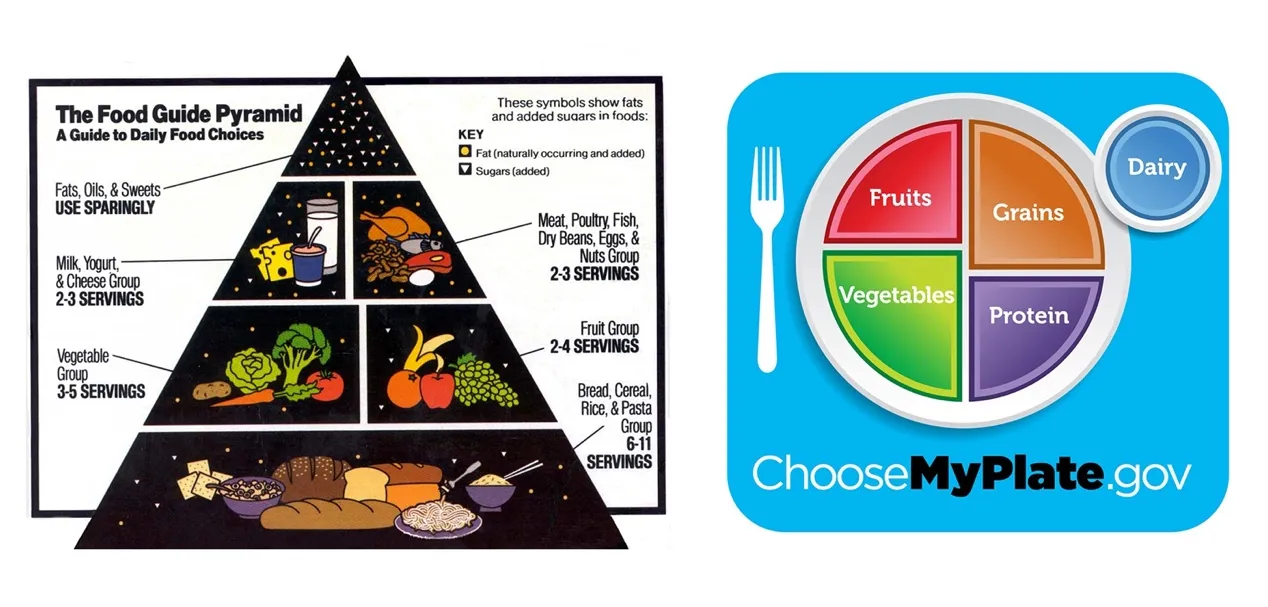
We are all familiar with the Food Pyramid. The USDA introduced the Food Pyramid in 1992. It was a colorful chart designed to be an easy way to teach people how to make healthy food choices. The chart has been revised in the past. People are used to the idea of the Food Pyramid and generally understand what it stands for. Yet, some people felt that they weren’t getting the most helpful advice from the original pyramid. Some of the revised pyramid points were unpopular; others were hard to understand.
The quest for a better American diet has a new icon. in June 2011, First Lady Michelle Obama and Agriculture Secretary Tom Vilsack unveiled the MyPlate icon. MyPlate replaces the former MyPyramid image as a tool to help Americans make healthier food choices. Its purpose is to get people to consider building a healthy plate when they eat.
What are the Benefits of MyPlate?
-
MyPlate is a simple and easy model representing what an ideal meal should look like, without too many dietary restrictions.
-
One of the positive facts about MyPlate is that it does not necessitate meat to be included.
-
Instead, “protein” is part of the plate, which includes fish, shellfish, eggs or beans, peas, nuts, and seeds in addition to meat, making it easy for vegans or vegetarians and those with other dietary restrictions to follow.
-
MyPlate recognizes the benefits of a plant-based diet; hence, it eliminates “oils” or “fats” section included in the previous Food Pyramid.
-
MyPlate also incorporates dairy because it is believed to play an important role in maintaining good health.
How to Build a Healthy Plate?
To build a healthy plate, focus on variety, nutrition and quantity. In addition, keep the following tips in mind.
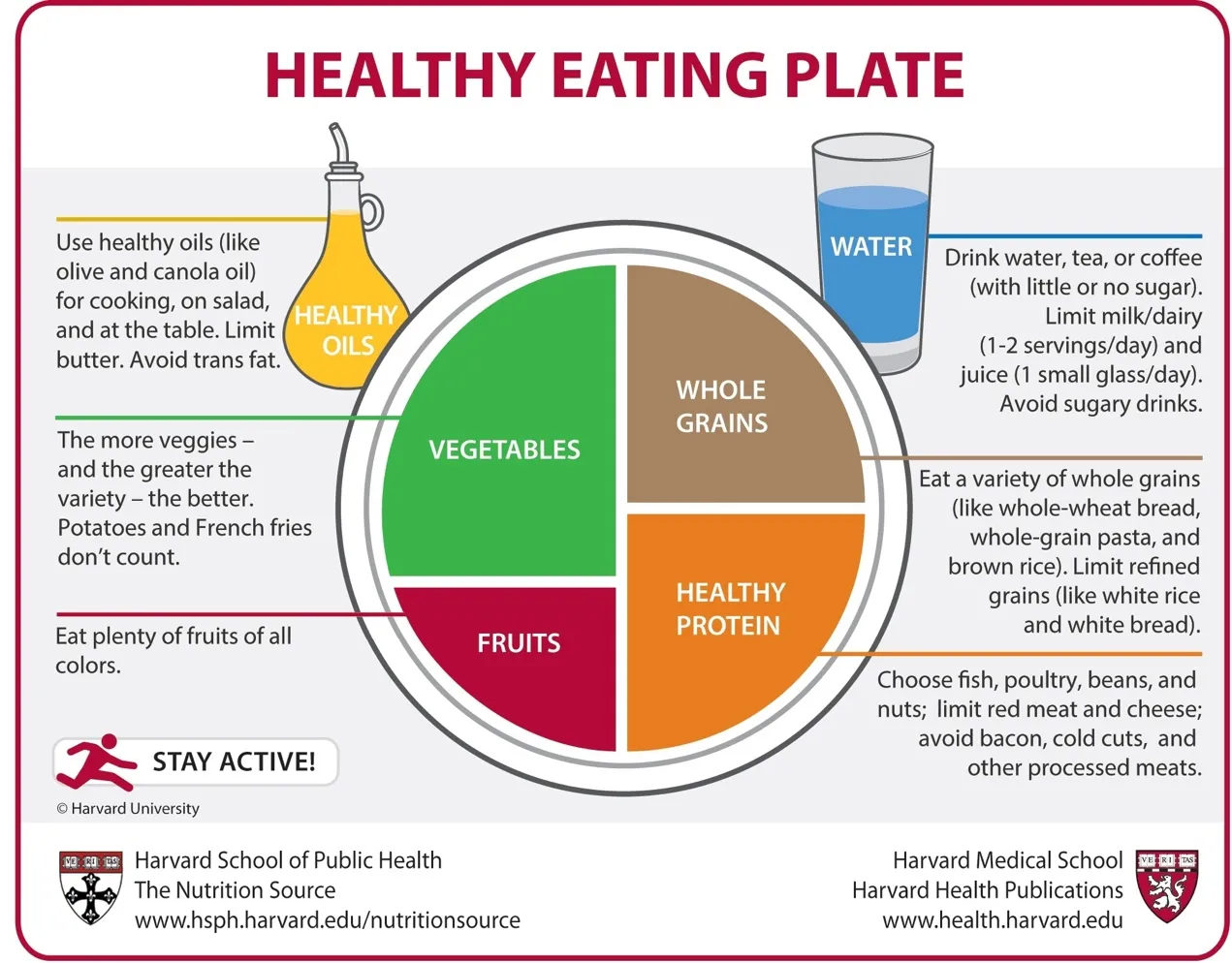
Vary vegetables. Vegetables are full of minerals and vitamins. They can be eaten cooked or raw and mix them in other foods, such as omelets and wraps. Vegetables are divided into five types, and eating healthily means choosing from each group.
-
Starchy vegetables, such as corn, potatoes and cilantro
-
Red and orange vegetables, such as carrots, tomatoes and squash
-
Legumes and peas, such as black-eyed peas, kidney beans and lentils
-
Dark green vegetables, including broccoli, spinach and romaine lettuce
-
Other vegetables, including avocado, cucumber, green beans and zucchini
Vary protein. Protein-rich foods are essential for healthy muscles, skin, bones, cartilage and blood. Protein foods also contain important vitamins and minerals. To get the right amount of nutrients, choose a variety of proteins.
-
Eggs
-
Seafood, including salmon, tuna and shellfish
-
Meat, such as lean beef, pork and game meat
-
Poultry, such as chicken, turkey and Cornish game fowl
-
Beans and peas, including chickpeas, refried beans and tofu
-
Nuts and seeds, such as walnuts, peanut butter, and sunflower seeds
Make half of your grains whole grains. Whole grains are wheat, rice, oats, corn and other grains in their natural form. They are healthier than refined grains because they contain all three parts of the nutrient-rich seed - bran, germ and endosperm. Refined or concentrated grains have only endosperm, so they lose 25% of their protein and more than 17 nutrients. You can find whole grains by looking for the “100% whole grain” seal or words in the ingredient list such as “whole grain,” “whole wheat” and “brown rice.
Focus on the whole fruit. When eating whole fruit instead of just juice, you get the added benefit of fiber, as well as more vitamins and minerals. Fruit is a healthy alternative to sweets, and eating fruit can reduce the risk of certain diseases. Fresh, frozen, dried or canned fruits are all part of a healthy plate. For variety, choose fresh fruit in season, such as strawberries in the spring and apples in the fall.
Turn to low-fat or fat-free dairy products. Dairy products are rich in vitamin D and calcium, which help the body build and maintain strong bones. However, choosing low-fat or fat-free dairy products can make you healthier. Dairy products high in saturated fat can raise “bad” cholesterol in the blood, which can lead to heart problems.
The dairy foods on your healthy plate include:
-
Milk
-
Yogurt
-
Cheese
-
Fortified soymilk
-
Calcium-rich non-dairy products such as fortified cereals, canned fish and almond milk.
Picky Eating
Picky eating is typical for many preschoolers as they grow up and become more independent. Try the following tips to help with this behavior in a positive way:
- Share Responsibility
As a parent, you have responsibilities for feeding your child. Your child also has responsibilities.
-
You control what, where and when food is provided.
-
Your child decides whether or not to eat the food, and how much to eat.
-
Your child may not eat the exact amounts suggested every day. Try to balance the amounts over a few days or a week.
-
Offer different foods from day to day. Encourage your child to choose from a variety of foods.
-
Serve foods in small portions at scheduled meals and snacks.

-
If your child doesn’t like or doesn’t seem to be eating the foods that you have prepared for a meal or snack, it’s okay. Avoid the temptation to return to the stove and cook foods that you know your child will eat. If your child refuses a meal or snack, there will be another one in a few hours and he or she should be able to wait until then. When children are hungry because they chose not to eat, they’ll be more likely to eat what is offered next time.
-
Your child may be unwilling to try new foods. Try serving a new food alongside a familiar food in the same meal. It may take up to a dozen tries for a child to accept a new food.
-
The mealtime environment should always be considered when feeding a child. Conversation should be pleasant, the eating space should be clean and bright and distractions should be limited. Mealtime is not a time for watching television or arguing.
-
Let your child help prepare meals. Children get excited about tasting items when they have been involved in the preparation.
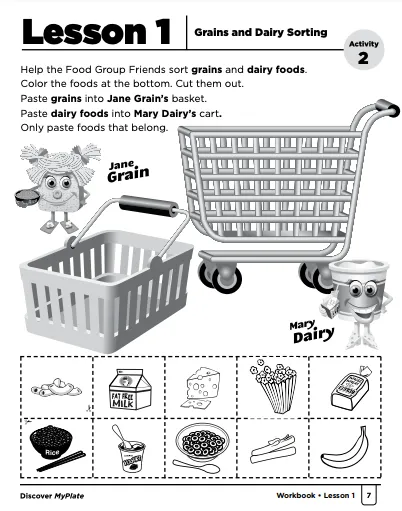
In addition, the USDA’s website has handy tools to help you build a healthy plate based on age, height, weight and activity level. Once you’ve determined your recommended daily calorie intake, you’ll get guidelines on how many cups or ounces of the five food groups you should eat. There are also a variety of free resources available to help students learn the importance of physical activity to staying healthy.
Reference
- Bon Secours. (2022, July 28). Create a Healthy Eating Lifestyle with MyPlate. Bon Secours Blog. https://blog.bonsecours.com/healthy/healthy-eating-lifestyle/
- MyPlate | U.S. Department of Agriculture. (2022). USDA. https://www.myplate.gov/
- MyPlate for My Family. (2022). USDA. https://snaped.fns.usda.gov/nutrition-education/fns-curricula/myplate-my-family
- MyPlate vs. Food Pyramid: What Is MyPlate? (2020, October 2). MedicineNet. https://www.medicinenet.com/myplate/article.htm
- N. (2022, February 4). MyPlate and Food Pyramid: Which One is the Better Tool? Weigh to Wellness. https://weightowellnessllc.com/myplate-vs-food-pyramid/
- Preschoolers | MyPlate. (2022). USDA. https://www.myplate.gov/life-stages/preschoolers
- UCSF Health. (2021, June 16). Picky Eaters. Ucsfbenioffchildrens.Org. https://www.ucsfbenioffchildrens.org/education/picky-eaters#:%7E:text=Picky%20eating%20habits%20are%20more,food%20from%20starting%20a%20battle.
Explore Our Courses
Discover courses designed to help your child thrive

Phonics
Build a strong reading foundation through systematic phonics instruction, helping Pre-K to 1st graders master letter sounds, blending, and decoding skills.

STEAM
Explore Science, Technology, Engineering, Arts, and Mathematics through engaging hands-on projects that spark curiosity and develop critical thinking skills.

Leadership Development
Cultivate leadership qualities through communication training, teamwork exercises, and ethical decision-making practice for students K-12.