
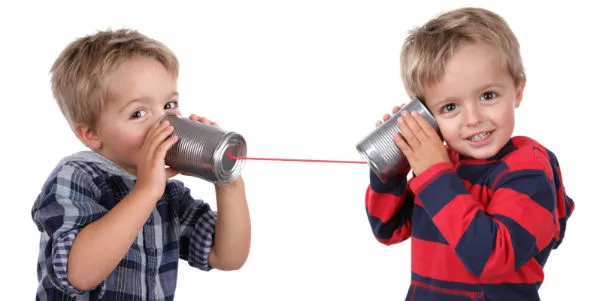
How to develop friendship skills in your kids
By Kmind
Why: Friendship provide a consistent social outlet, help kids build social skills, and offer a source of support that many kids rely on and enjoy. Parents may wonder what the significance is of having a good friend or not. For example, you may worry that your child is limiting their social circle too much by focusing heavily on one friend. Or you might question if they are missing out if they don’t have one. You may also wonder how to support your child if these friendships fall apart.
Our goal: We’ll take a look at how to develop friendship skills at various ages and for different types of kids and what parents can do to support their child in developing friendship skills.
How:
-
Parents can simply provide opportunities for your kids to interact with like-minded peers. Simply offer basic support for positive socializing, then see if the kids click.
-
Parents should teach pro-social skills, and be active in setting up times for their children to meet with friends.
-
Throughout childhood, parents can help their kids foster healthy friendships skills:
-
For toddler, preschool, and lower elementary-aged kids: Parents can help kids develop good friendship skills, like sharing or empathy.
-
For elementary-aged kids: Parents can help kids navigate “fights” or arguments by helping kids think through various solutions.
-
For tweens and teenagers: Parents can help kids evaluate the quality of friendships by asking questions to allow the adolescent to think through [any friendship issues] and NOT give opinions about the friend and their behaviors/actions.
-
For kids with poor social skills or other obstacles to developing friends, it would be best for a parent to review social etiquette prior to each meet-up.
-
Looking for potential friends among kids that share interests, such as soccer, books, art, superheroes, breakdancing, or anything else your child likes to do, can help bring kids together.
-
If there are extreme difficulties for a child to make friends, parents should get kids involved in activities that the child is interested in where other children will be.
-
As long as your child is able to “make friends,” socialize positively with peers, and is not spending recess alone, then there shouldn’t be too much to worry about whether they have a friend or a need for parents to get involved.
-
If the kid struggles and appears to be an “outsider,” then parents can help the child build socialization skills by role-playing with the child through play, finding a social skills group, or finding an activity the child enjoys to connect with others with similar interests.
-
However parents should avoid getting overly attached or involved in their child’s social life.
-
Sometimes, parents try to be their kid’s “best friend” or attempt to construct a social network were believed will lead to long-term success.
Explore Our Courses
Discover courses designed to help your child thrive
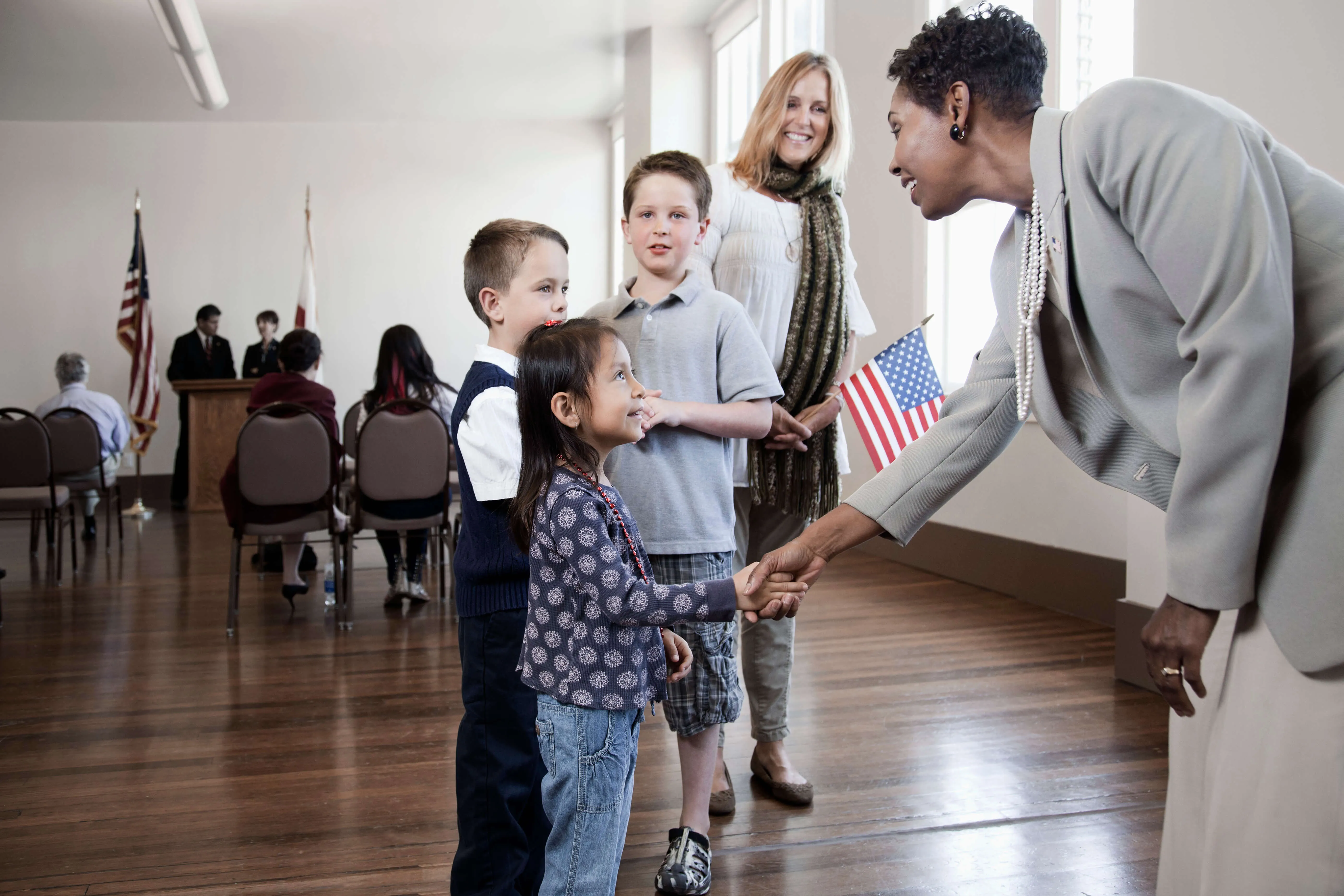
Leadership Development
Cultivate leadership qualities through communication training, teamwork exercises, and ethical decision-making practice for students K-12.
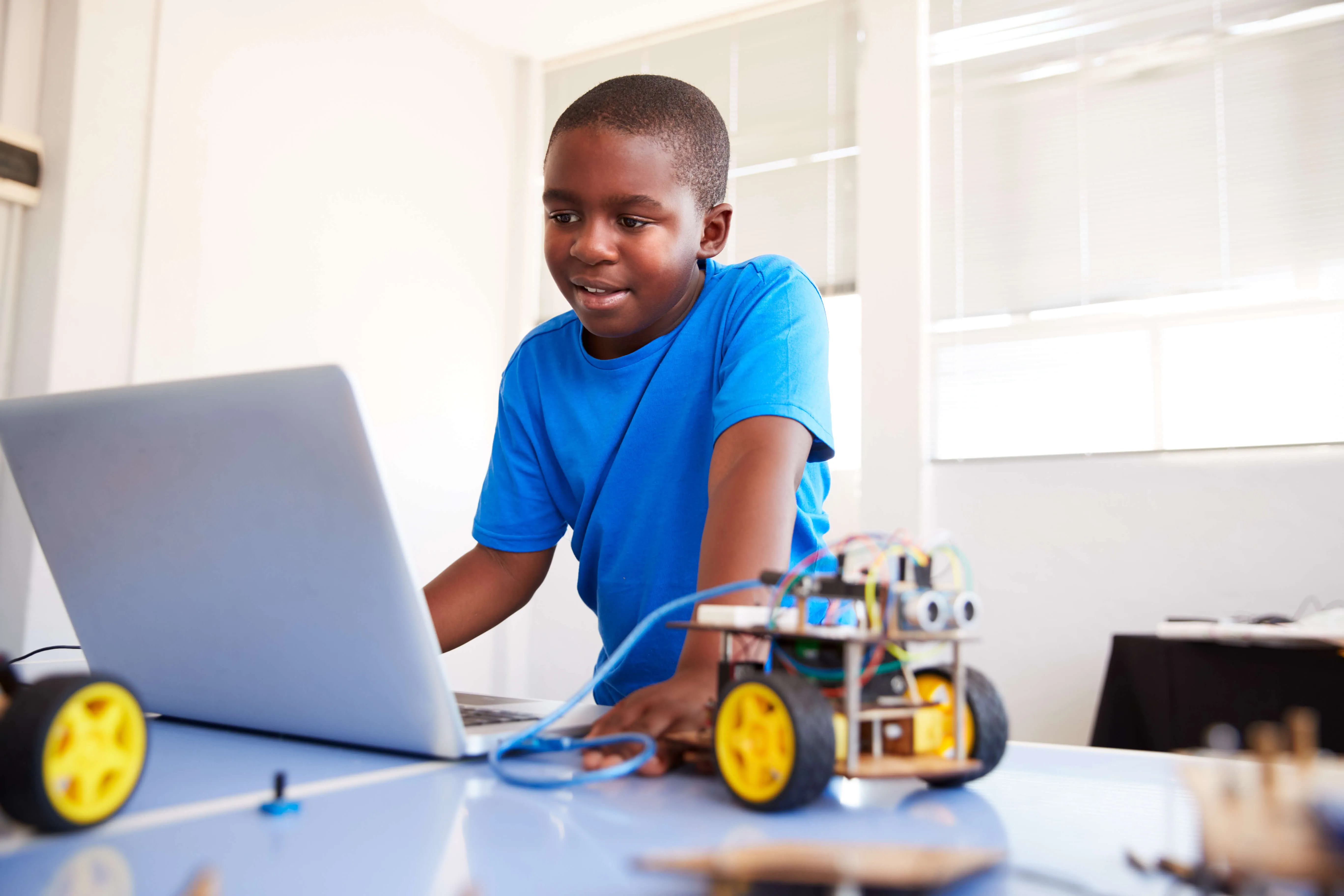
STEAM
Explore Science, Technology, Engineering, Arts, and Mathematics through engaging hands-on projects that spark curiosity and develop critical thinking skills.
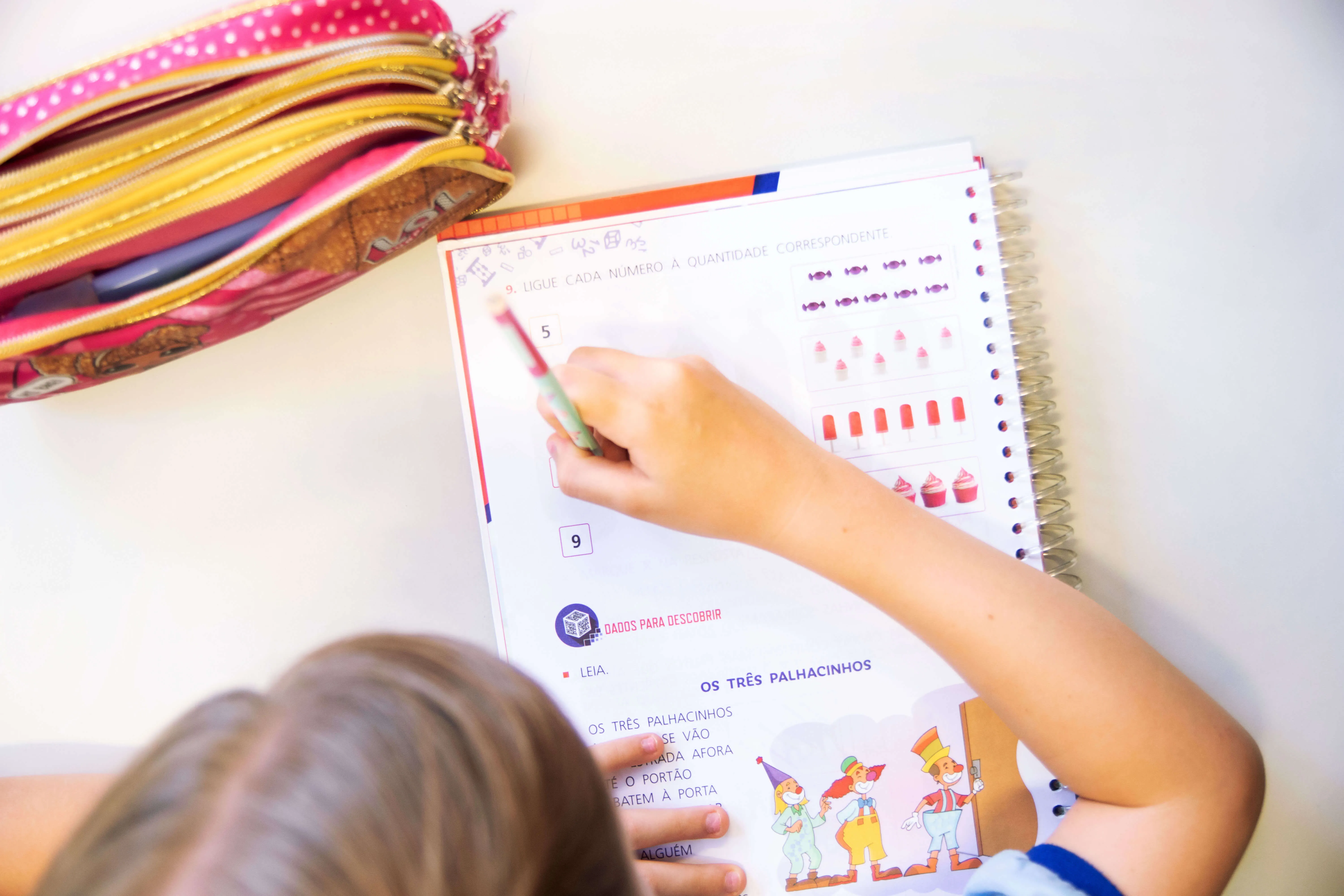
Math
Build strong mathematical foundations through hands-on problem-solving and conceptual understanding, helping Pre-K to 2nd graders develop number sense and critical thinking skills.