
Getting Ready for Kindergarten:
By Kmind
How to Prepare Your Star to Shine
A large part of kindergarten is exposing children to the foundational skills needed to read and write, preparing them for success in the rest of their academic careers. As a parent, there can be a great deal of anxiety about your child’s “readiness” when he/she starts kindergarten. Was he/she ready enough to read and write? Did he/she know letters and how they sounded? Does he/she write neatly enough? This article may give you the answer.
Checklist for Kindergarten Readiness
Most educators agree that for a child to be successful in kindergarten, he should possess several essential skills. Here are skills to consider as your family gets ready for kindergarten:
-
Identify some letters of the alphabet
-
Count to 10
-
Speak clearly enough to be understood by non-relatives (Speak in complete sentences of 5-6 words)
-
Recognize some common sight words, like “said” and “do”
-
Recognize and produce rhyming words
-
Knows personal information (name, age, gender)
-
Comply with two-step instructions, such as “Please sit down and take out your crayons”
-
Sit still and listen for ten consecutive minutes
-
Use the restroom independently
-
Be able to recognize the names of colors and parts of the body
-
Articulate feelings
-
Request help when needed
-
Write their first name using upper- and lowercase letters, if possible
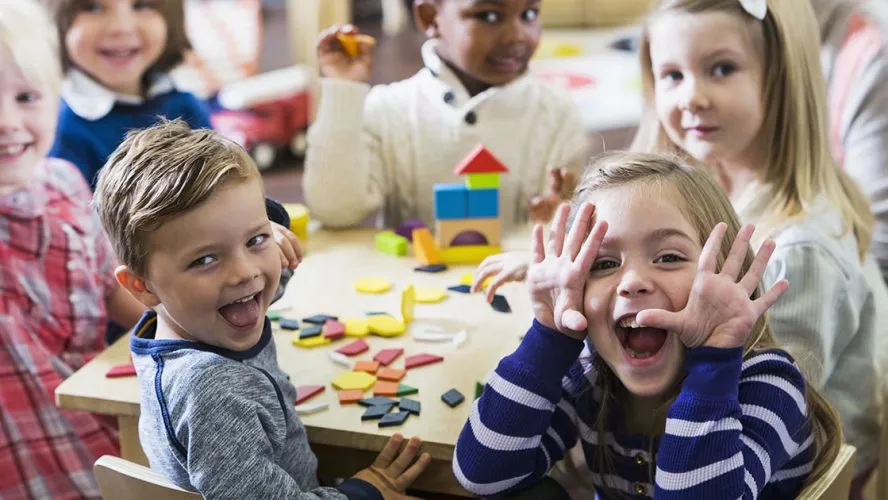
How to Prepare Your Child for Kindergarten
PROMOTE CHILDREN’S LITERACY AT HOME
Joint Reading
This is important for your child’s early literacy development. When joint reading, you and your child take turns reading parts of a book. As you read, ask him/her to connect with the story. Have him/her tell you more about what she is thinking. You can use his/her interests to choose books. During joint reading, give positive feedback and ask open-ended questions to increase his/her interest and critical thinking skills.
Learning from everyday life
Hang different kinds of printed materials around your house. Label items in your home. This can show the importance of language, reading and writing. Help your child build background knowledge about a topic. Talk about everyday experiences, show your child pictures, and tell his/her stories.
Play Word Games
!(/assets/img/blogs/getting-ready-for-kindergarten/media/image3.webp)
These games can be informal for your kids, like naming a word that rhymes with another word. You can play these kinds of games anywhere, such as riding in the car or while taking a walk. There are also a lot of fun board games that promote literacy for kids of all ages. Some great ones are Zingo, Quiddler, Bananagrams, and Rory’s Story Cubes.
Teach Children Rhymes and Songs
Nursery rhymes are more than just cute songs that children love to recite. They play a vital role in the development of language and literacy skills. Nursery rhymes help children understand language patterns and the sounds and blends that are part of words. Play audiobooks or read aloud in your home to increase the amount of language your child hears. Teaching and practicing nursery rhymes will provide an essential foundation for literacy.
SOCIAL SKILLS
You already know that helping your child learn to recognize, write and recite numbers and letters will help prepare him/her for kindergarten. But don’t overlook the importance of teaching social skills. The ability to regulate emotions is vital for a child about to be sent off to school.

Controlling their emotions doesn’t mean your five-year-old needs to have complete control of their emotions at all times. Indeed, children starting kindergarten at an average age are still learning how to control their anger and frustration properly. All kids throw a tantrum sometimes, but they need to understand their emotions and have coping mechanisms in place. If a child lacks emotional maturity, it may be more challenging to get along with others.
The more opportunities you arrange for your child to interact with children he/she doesn’t know well, the more you will be able to instruct him/her in basic things like taking turns, being polite and friendly, and defusing conflict in a healthy way.
MOTOR SKILLS
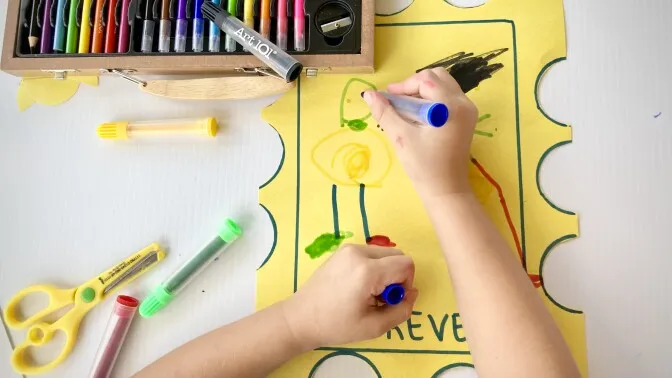
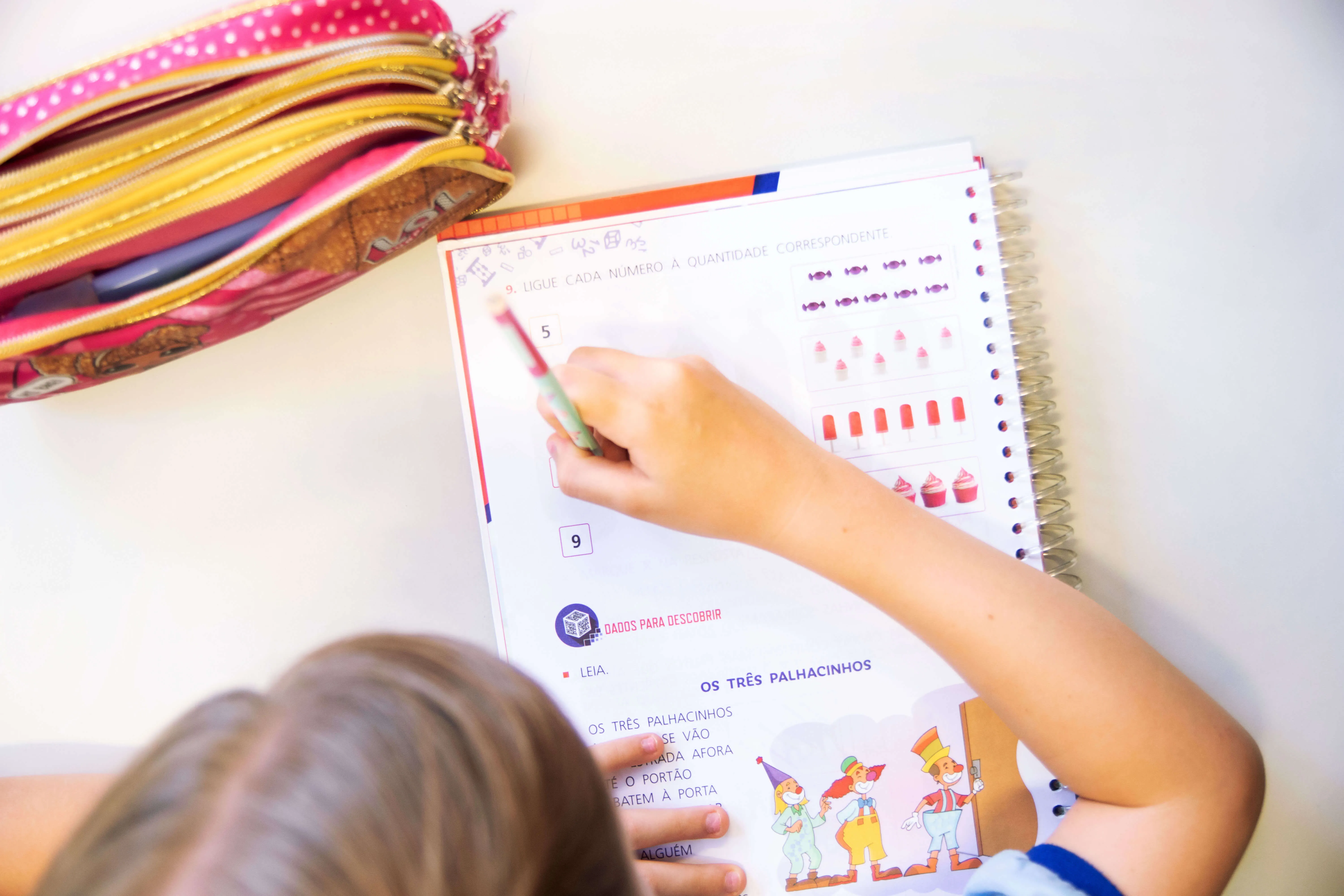
In kindergarten, your child will probably use scissors, crayons, and pencils. Help him/her to master these tools before school begins.
You are your child’s first (and perhaps best) teacher. To ensure that positive emotions win out in the long run, it’s essential that your child be kindergarten-ready when he/she steps into that classroom. Laying the groundwork for your child before they start kindergarten will allow them to walk into school more confidently.
If you are having a hard time deciding if your child is ready for kindergarten, talk to his/her preschool teacher or someone else who is around your child every day. They may be able to give you insights about your child that you’re not seeing.
Reference
- Is My Child Ready for Kindergarten? (2008). Reading Rockets. https://www.readingrockets.org/article/my-child-ready-kindergarten
- Is Your Child Ready for Kindergarten? Prepare Them With These 20 Skills. (2022, July 22). SCHOLASTIC PARENTS. https://www.scholastic.com/parents/school-success/school-life/grade-by-grade/preparing-kindergarten.html
- Moser, E. (2021, February 9). 10 Ways to Promote Children’s Literacy at Home. BOOK RIOT. Retrieved September 15, 2022, from https://bookriot.com/literacy-at-home/
- Street, E. (2019, September 4). Kindergarten Readiness: Is Your Child Prepared for School? Learning Liftoff. Retrieved September 15, 2022, from https://www.learningliftoff.com/kindergarten-readiness/
- Supporting Your Child’s Literacy Development at Home. (2020, February 27). National Center on Improving Literacy. Retrieved September 15, 2022, from https://improvingliteracy.org/brief/supporting-your-childs-literacy-development-home
Explore Our Courses
Discover courses designed to help your child thrive
Leadership Development
Cultivate leadership qualities through communication training, teamwork exercises, and ethical decision-making practice for students K-12.
Math
Build strong mathematical foundations through hands-on problem-solving and conceptual understanding, helping Pre-K to 2nd graders develop number sense and critical thinking skills.

Public Speaking and Debate
Master public speaking and competitive debate through structured training in argumentation, rhetoric, and persuasive communication for grades 3-12.