

Four Happy Hormones and How to Harness Them- Part 2
By Kmind
Quick Overview:
-
Dopamine, aka The Reward Feeling --- Motivates you to form habits & reach goals by rewarding completion of tasks and pleasurable activities.
-
Oxytocin, aka The Loving Feeling --- Released by physical contact and social connections.
-
**Serotonin, aka The Mood Booster **--- Connected to pride, satisfaction, a sense of accomplishment, and recognition.
-
Endorphins, aka The No-Pain Feeling --- Relieves pain when we’re stressed or uncomfortable (including the “pain” from things like deep belly laughs)
Hormones as our body’s chemical messengers. Once they released by glands into our bloodstream, they act on various organs and tissues to control all aspects from the way our body functions to how we feel. Though there are medical ways to increase the level of these hormones, we can also boost their levels through some simple lifestyle changes, like diet, exercise and meditation. With well-planed effort, we can harness these “feel good hormones” and improve our mood.
Last week, we discussed the two happy hormones, Endorphins and Serotonin for their specific function, role, and ways to harness them in natural ways. This week, we will focus on the other two types of happy hormones: Dopamine and Oxytocin.
Dopamine:
Dopamine is a type of monoamine neurotransmitter. It’s made in your brain and acts as a chemical messenger, communicating messages between nerve cells in your brain and your brain and the rest of your body.
Dopamine also acts as a hormone. Dopamine, epinephrine and norepinephrine are the main catecholamines (a label based on having part of the same molecular structure). These hormones are made by your adrenal gland, a small hat-shaped gland located on top of each of your kidneys. Dopamine is also a neurohormone released by the hypothalamus in your brain.
Main function:
As a neurotransmitter, dopamine is involved in:
• Movement.
• Memory.
• Pleasurable reward and motivation.
• Behavior and cognition.
• Attention.
• Sleep and arousal.
• Mood.
• Learning.
• Lactation.
As a hormone, dopamine is released into your bloodstream. It plays a small role in the “fight-or-flight” syndrome. The fight-or-flight response refers to your body’s response to a perceived or real stressful situation, such as needing to escape danger.
How to Harness Dopamine:
You may wish to try remedies that naturally increase dopamine. Further research is needed on the effects of food on neurotransmitters such as dopamine.
-
Eat a diet that’s high in magnesium and tyrosine-rich foods. These are the building blocks for dopamine production. Tyrosine is an amino acid, and it can be absorbed in your body and then goes to your brain, where it’s converted into dopamine. Foods known to increase dopamine include chicken, almonds, apples, avocados, bananas beets, chocolate, green leafy vegetables, green tea, lima beans, oatmeal, oranges, peas, sesame and pumpkin seeds, tomatoes, turmeric, watermelon and wheat germ.
-
Engage in activities that make you happy or feel relaxed. This is thought to increase dopamine levels. Some examples include exercise, meditation, yoga, massage, playing with a pet, walking in nature or reading a book.
Oxytocin:
Oxytocin is a natural hormone that manages key aspects of the female and male reproductive systems, including labor and delivery and lactation, as well as aspects of human behavior. Your hypothalamus makes oxytocin, but your posterior pituitary gland stores and releases it into your bloodstream.
Synthetic forms of oxytocin
Healthcare providers use synthetic (manufactured) forms of oxytocin to induce labor in childbirth if it hasn’t started naturally or to strengthen contractions. Healthcare providers also use synthetic oxytocin to speed up delivery of the placenta (the third stage of labor) and reduce the risk of heavy bleeding.
Main function:
The two main physical functions of oxytocin are to stimulate uterine contractions in labor and childbirth and to stimulate contractions of breast tissue to aid in lactation after childbirth.
Oxytocin also acts as a chemical messenger in your brain and has an important role in many human behaviors and social interactions, including:
• Interpersonal intimacy.
• Recognition.
• Trust.
• Romantic attachment.
• Parent-infant bonding.
As oxytocin is associated with trust, intimacy and relationship building, it’s sometimes referred to as the “love hormone” or “cuddle chemical.” Oxytocin levels also increase when you’re hugging someone and when you’re experiencing an orgasm.
How Are Oxytocin Levels Controlled?
Interestingly, Oxytocin is one of a few hormones that have a positive feedback loop. This means that the release of oxytocin leads to actions that stimulate your pituitary gland to release even more of it. On the other hand, most hormones create negative feedback loops after they’re released, meaning your body releases less of the hormone after it has its effect on your body.
With uterine contractions in childbirth, pressure on your cervix from the fetus baby stimulates your pituitary to release oxytocin. The release continues until your baby is born. With lactation and breastfeeding, your baby’s sucking stimulates your pituitary to release oxytocin to push milk through your breast tissue. The release continues until your baby stops feeding and will restart when your baby feeds again.

Specific Activities for Children to Activate Happy Hormones:
OXYTOCIN
The loving feeling that accompanies the warm fuzzies or personal connection.
-
Bear-hug your family --- everybody, all at once.
-
Groom or snuggle the family pet.
-
Tell someone 3 things you love about them.
-
Invite a friend over for a playdate
-
Give compliments to friends.
-
Help a parent or caregiver with a chore.
-
Leave sweet notes or drawings around the house for the family to find.
DOPAMINE
The rewarding feeling that comes from self-care or a sense of accomplishment.
-
Get homework done early.
-
Organize their toys or a bookshelf.
-
Curl up with a lovey to watch a movie.
-
Indulge in a favorite snack in the middle of a busy day.
-
Take five big belly breaths.
-
High-five each time they tie their own shoes, brush their teeth, or buckle their safety belt.
The body-mind connection is powerful, and with appropriate strategies in place, it can work in your favor. Positive thoughts and emotions flood your body with hormones that make you feel good and boost your health. Doing what we enjoy with the consideration of quantity, scope and intensity, we can all be benefited from these happy hormones and have a healthy and happy lifestyle.
Reference
- Access Anytime Anywhere | Cleveland Clinic. (n.d.). Cleveland Clinic. https://my.clevelandclinic.org/
- Home. (2023, April 27). https://www.henryford.com/
- Houston Methodist Leading Medicine. (n.d.). https://www.houstonmethodist.org/
- PositivePsychology.com. (2022, December 16). PositivePsychology.com - Helping You Help Others. https://positivepsychology.com/
Explore Our Courses
Discover courses designed to help your child thrive

Leadership Development
Cultivate leadership qualities through communication training, teamwork exercises, and ethical decision-making practice for students K-12.
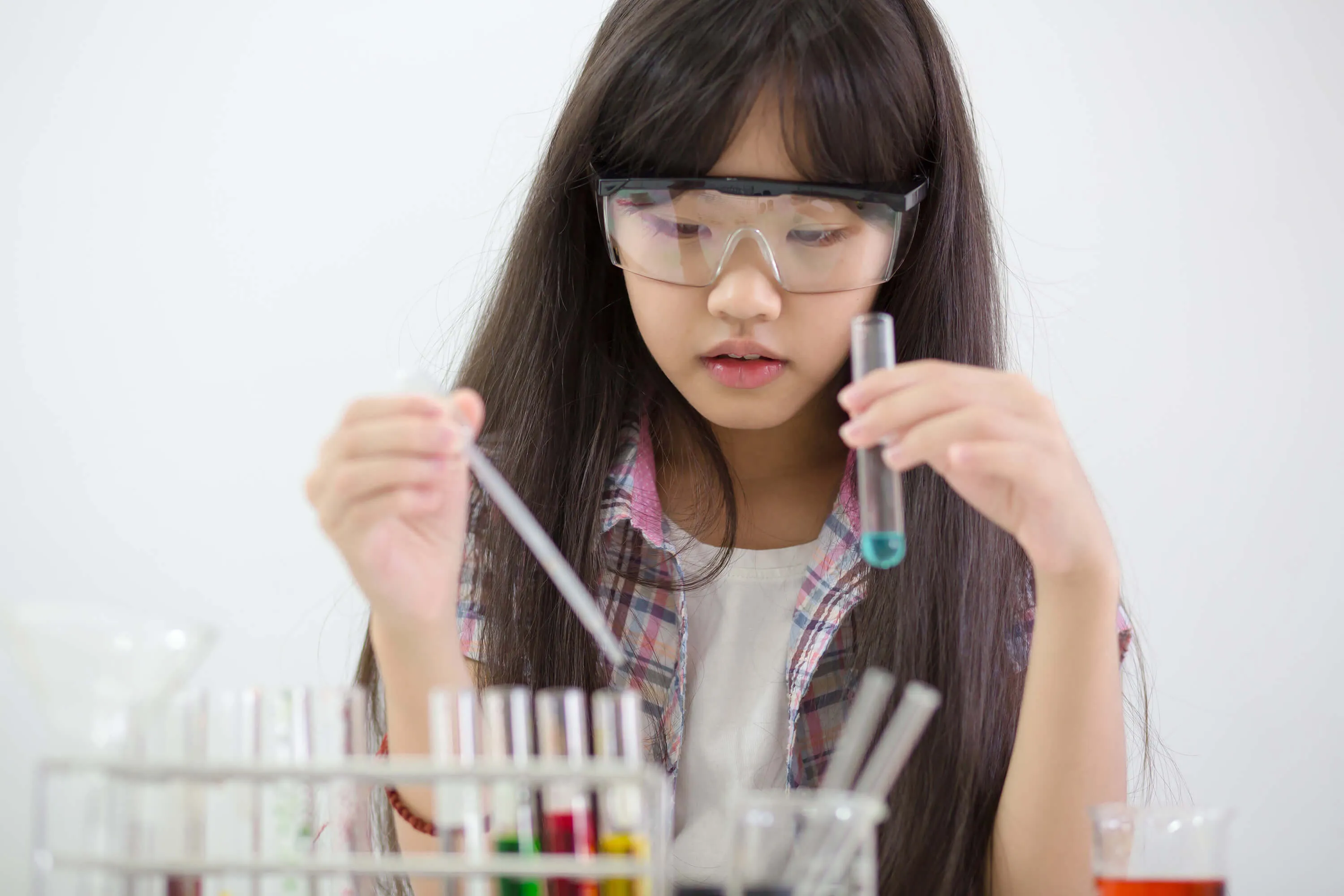
Science Research Project
Develop scientific inquiry and research skills through hands-on projects, helping 3rd to 12th graders learn the scientific method, experimental design, and data analysis.

STEAM
Explore Science, Technology, Engineering, Arts, and Mathematics through engaging hands-on projects that spark curiosity and develop critical thinking skills.