

Attention Types and How to Boost Your Child Attention
By Kmind
Throughout human history, the ability to focus on what is important and ignore other things has been an important survival skill. Attention helps us focus our awareness on a particular aspect of our environment, an important decision, or a thought in our minds. Maintaining attention is a long-term challenge for people of all ages, and people have long sought strategies, techniques, and medications to help them stay on track.
What is Attention?
The concept of “attention” is an area of study under cognitive psychology. Attention was originally defined by the psychologist, William James, over a hundred years ago, as processing “one out of what seem several simultaneously possible objects or trains of thought … It implies withdrawal from some things in order to deal effectively with others.” This suggests that one selectively “attend” to a single mental thought and it is this thought that goes forward in the mind. In other words, It’s how we actively process information in our environment and tune out information, Perceptions and sensations that aren’t relevant at the moment.
Why Attention Matters?
Attention is a basic component of our biology, present even at birth. Our orienting reflexes help us determine which events in our environment need to be attended to, a process that aids in our ability to survive.
Attention helps us learn in school, excel in the workplace, and build successful relationships. Some people seem to be born with more control over their attention, but most people’s ability to pay attention varies depending on the situation, the number of distractions they face, and whether they are using stimulants like caffeine to help.
!(/assets/img/blogs/attention-types-and-how-to-boost-your-child-attention/media/image2.webp)
Types of Attention
Sustained attention is the ability to focus on one specific task for a continuous amount of time without being distracted.
Selective attention is the ability to switch your focus back and forth between tasks that require different cognitive demands. (For more details, we will include them in next week’s article.)
Alternating attention is the ability to switch your focus back and forth between tasks that require different cognitive demands.
Divided attention is the ability to process two or more responses or react to two or more different demands simultaneously. Divided attention is often referred to as multitasking.
Differences Among the Types of Attention
| Focusing on Tasks | Sustained Attention Consciously creating a mental focus on a single task or idea at once while completely disregarding others | Selective Attention Unconsciously creating a mental focus on a single task or idea at once while ignoring others | Alternating Attention Rapidly shifting mental focus from one task or idea to another | Divided Attention Placing mental focus on multiple tasks or ideas at once by giving some attention to each |
|---|---|---|---|---|
| Amount of Attention | Maximizes the amount of attention being placed on a task or idea because there is a single focus occurring at once | Increases the amount of attention being directed to a task or idea because of a single focus taking place | Decreases the amount of attention being placed on any task or idea if there are shifted focuses going on | Minimizes the amount of attention being placed on any task or idea if there are multiple focuses going on at once |
| Condition on Distractions & Switching Tasks | Excellent at tuning out distractions, and does not switch between tasks | Successful tuning out of distractions and switching tasks. | Good at shifting between distractions and switching tasks | Unsuccessful tuning out of distractions and switching tasks |
| Cognitive Ability | Strengthens cognitive ability the most | Strengthens cognitive ability | Weakens cognitive ability | Weakens cognitive ability the most |
| Amount of Possible Mistakes | Prevents from making mistakes | Reduces the rate of making mistakes | Increase the rate of making mistakes | Drives to make mistakes |
| Receiving Side Information | Allows to miss important side information | Allows to miss important side information | Prevents missing important side information | Prevents missing important side information |
Explore Our Courses
Discover courses designed to help your child thrive
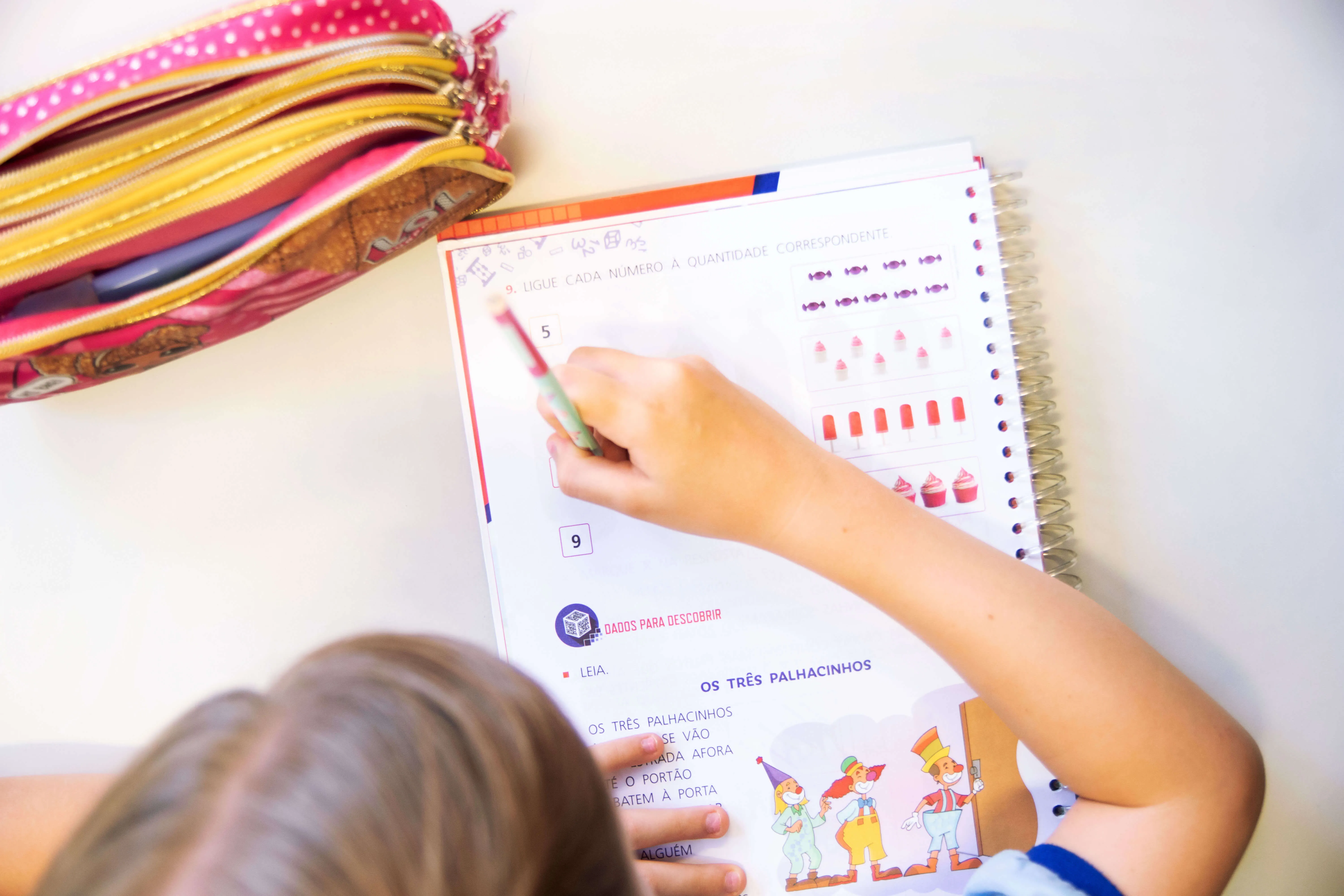
Math
Build strong mathematical foundations through hands-on problem-solving and conceptual understanding, helping Pre-K to 2nd graders develop number sense and critical thinking skills.
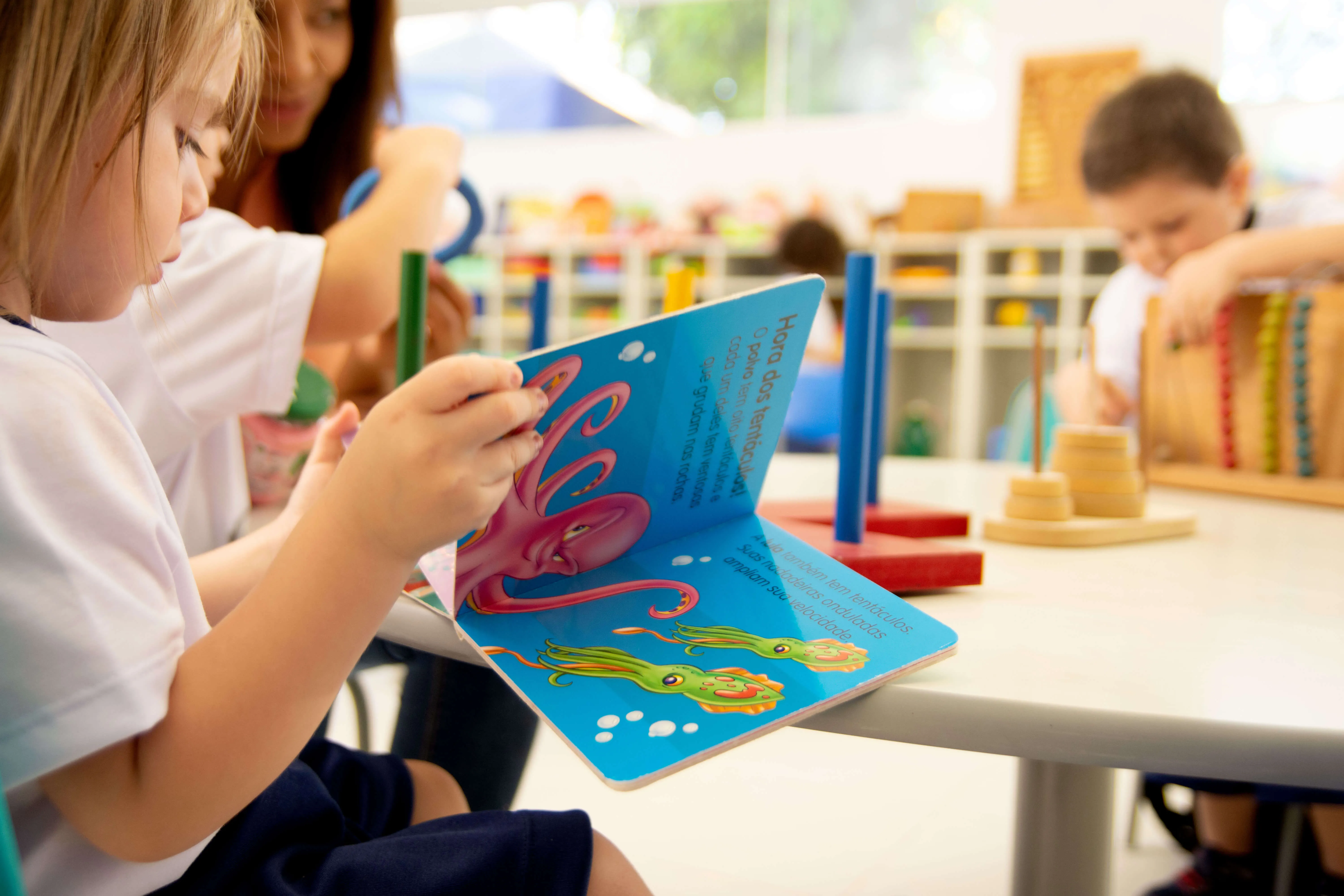
Phonics
Build a strong reading foundation through systematic phonics instruction, helping Pre-K to 1st graders master letter sounds, blending, and decoding skills.

STEAM
Explore Science, Technology, Engineering, Arts, and Mathematics through engaging hands-on projects that spark curiosity and develop critical thinking skills.