
A List of Age-Appropriate Chores
By Kmind
Chores are routine but necessary tasks, such as washing dishes or folding laundry. Research suggests that there are benefits to incorporating chores into a child’s routine as early as age 3. Children who do chores are likely to show higher self-esteem, be more responsible, and be better able to handle frustration, adversity, and delayed gratification. These skills can lead to greater success in school, work, and relationships.
Benefits of Giving Your Kids Chores
There are many benefits to giving your kids chores. While it’s often easier to do chores yourself, especially if you spend five times as much time explaining to your 5-year-old what needs to be done and then supervising her while she does it, the fact is that helping with daily tasks is important to your child’s development.
-
Giving kids chores can help teach them life skills.
-
Giving kids chores can help kids learn responsibility and self-reliance.
-
Giving kids chores can emphasize the value of keeping things clean and organized.
-
Giving kids chores can help reinforce respect.
-
Giving kids chores can help improve planning and time management skills.
-
Giving kids chores can set a pattern of helping around the house.
-
Giving kids chores can give them a sense of being part of the household “team.”

Should I Pay My Kids for Chores?
It depends on your family’s situation. Paying your kids for chores has merits and disadvantages and is ultimately your decision and what works best for your kids.
Pros:
It Helps Teach the Value of Money
Giving your kids a source of income is a great way to educate them about the importance of earning and managing money.
It Teaches Your Kids How to Save.
Creating opportunities to save is one tool to help teach kids about money, make them more self-reliant and give them greater financial freedom for the future. Use our kids’ chore calculator to help them visualize a weekly savings goal to see what’s possible and stay motivated.
It Helps Them Associate Earning Money with Time, Energy, and Work
Paying for chores is definitely a way for a child to connect earning money with doing work, using time, and putting in energy.
You Have an Easy Punishment System of No Play, No Pay
Paying for chores leaves little room for negotiation if the chores aren’t completed. You can just not pay them.

Cons:
It Doesn’t Help Internalize Motivation for Your Child to do Chores.
Instead of internalizing the importance of the chore as part of a life lesson or natural daily responsibility, chore payments give your child an external motivator. So, if no one pays them to take out the trash, they may not do it for themselves.
Your Child Might Value their Time Over Money.
Since chore allowances are a choice, if your kids think their time is worth more than the price, they may skip chores altogether - leaving you with a sink full of dirty dishes and a pile of trash.
Your Kid Might Start Expecting to Be Rewarded for Everything.
It’s a common issue, actually. If kids get rewarded for certain behavior, then they no longer want to give away good behavior for free because they think a reward might come for it. They hold out on you!
It Can Undermine Responsibility.
Chores are part of being a family and a reality of living together. Rewarding children for things they should do may not teach them the value of pulling their own weight and the importance of working together.
Age-Based Chore List That Kids Can Do
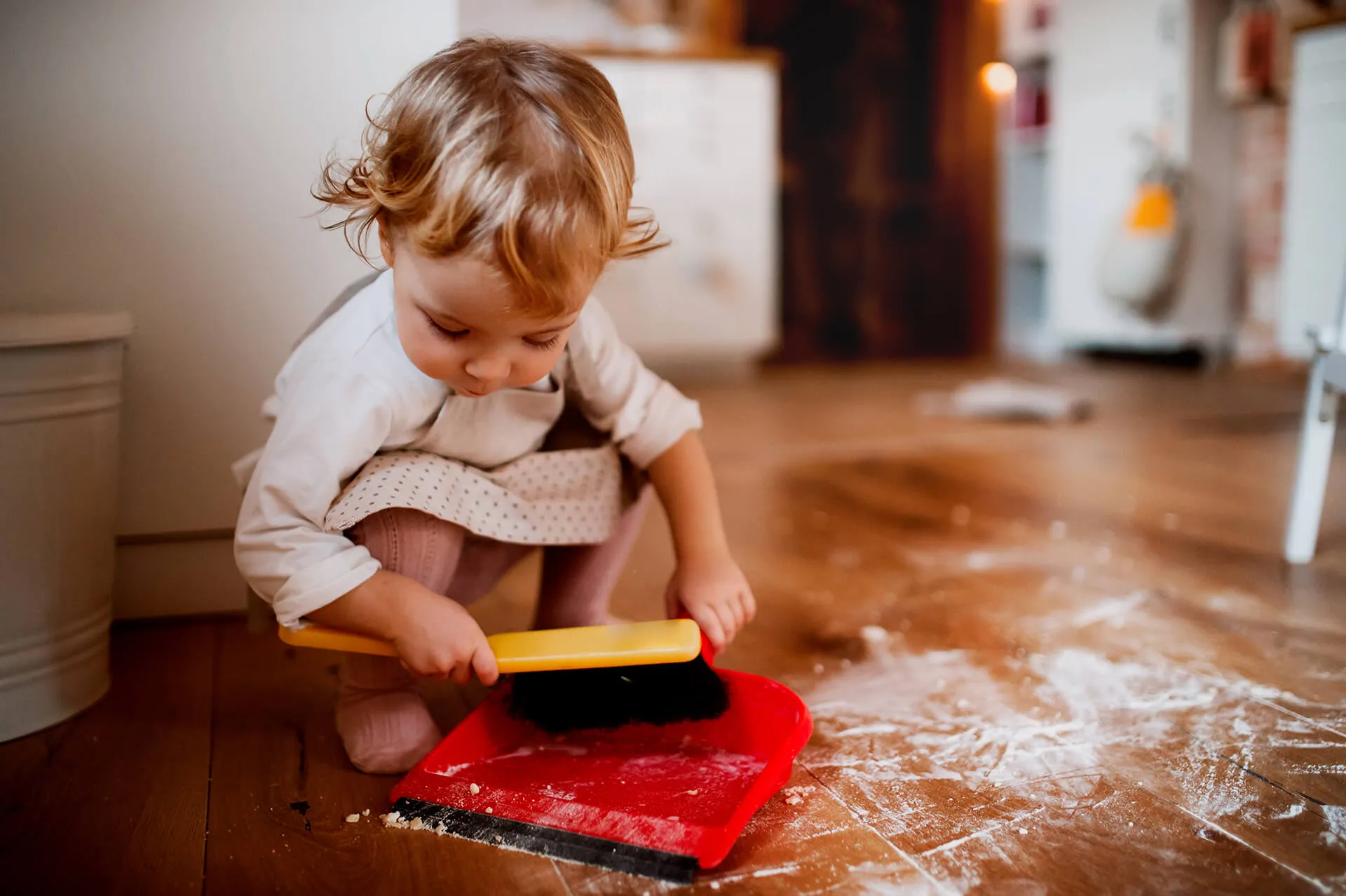
Chores for children ages 2 to 3
-
Put toys away
-
Fill pet’s food dish
-
Put clothes in hamper
-
Wipe up spills
-
Dust
-
Pile books and magazines
Chores for children ages 4 to 5
Any of the above chores, plus:
-
Make their bed
-
Empty wastebaskets
-
Bring in mail or newspaper
-
Clear table
-
Pull weeds, if you have a garden
-
Use hand-held vacuum to pick up crumbs
-
Water flowers
-
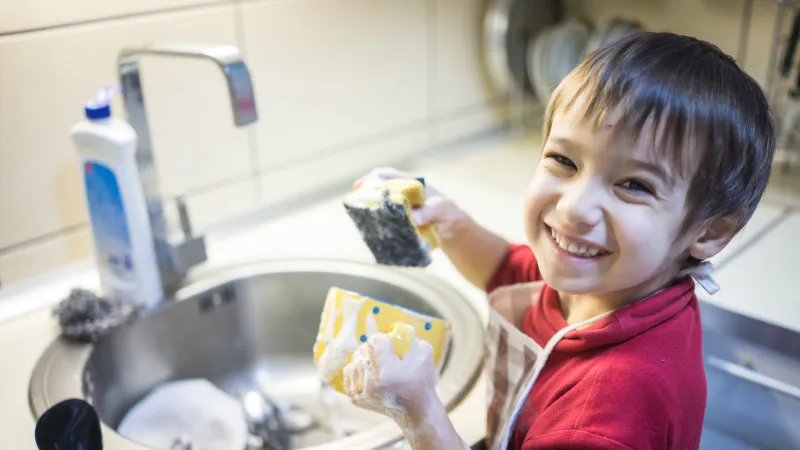
Unload utensils from dishwasher
-
Wash plastic dishes at sink
-
Fix bowl of cereal
Chores for children ages 6 to 7
Any of the above chores, plus:
-
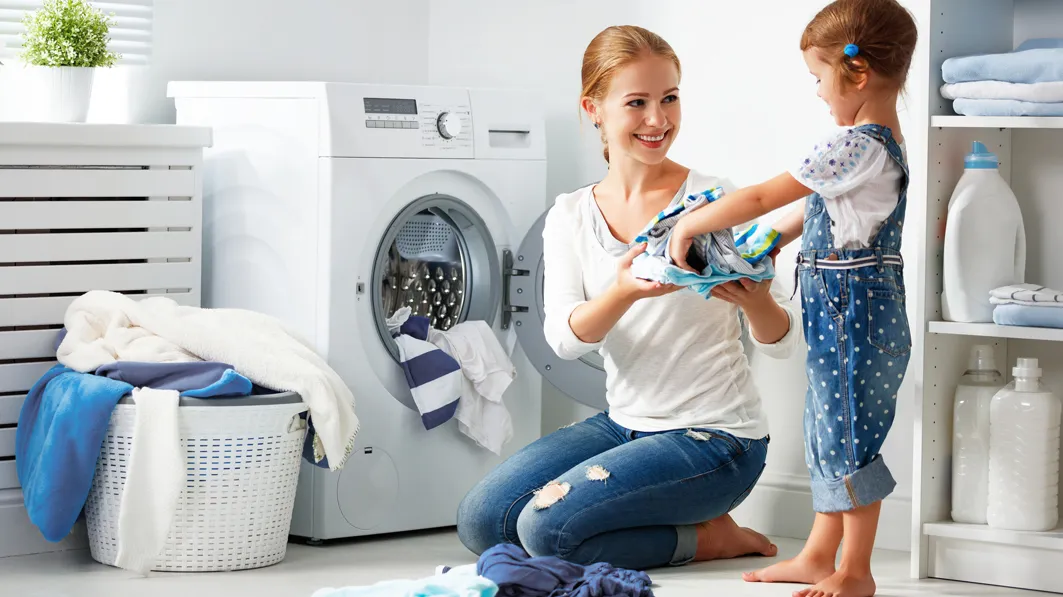
Sort laundry
-
Fold laundry
-
Sweep floors
-
Set and clear table
-
Help make and pack lunch
-
Weed and rake leaves
-
Keep bedroom tidy
 Chores for children ages 8 to 9
Any of the above chores, plus:
-
Load dishwasher
-
Put away groceries
-
Vacuum
-
Help make dinner
-
Make own snacks
-
Wash table after meals
-
Put away own laundry
-
Sew buttons
-
Make own breakfast
-
Peel vegetables
-
Cook simple foods, such as toast
-
Mop floor
-
Take pet for a walk
Chores for children ages 10 and older.
Any of the above chores, plus:
-
Unload dishwasher
-
Fold laundry
-
Clean bathroom
-
Wash windows
-
Wash car
-
Cook simple meal with supervision
-
Iron clothes
-
Do laundry
-
Baby-sit younger siblings (with adult in the home)
-
Clean kitchen
-
Change their bed sheets
Reference
- 7 Important reasons why kids should have chores*. (n.d.). https://www.momentumlife.co.nz/stories/why-kids-should-have-chores
- Age-Appropriate Chores for Children: Chore Ideas and Allowances*. (2008, June 20). WebMD. https://www.webmd.com/parenting/features/chores-for-children
- Allowance for Kids — Types and How Much You Should Pay for Chores_. (2022, November 17). Money Crashers. https://www.moneycrashers.com/allowance-kids-chores/
- Ellis, K. (2022, October 21). Chores for kids: How much you should pay. finder.com. https://www.finder.com/chores-for-kids
- Grossman, A. L. (2022, November 29). Should Kids get Paid to Do Chores? Pros and Cons (with VIDEO). Money Prodigy. https://www.moneyprodigy.com/should-kids-get-paid-to-do-chores/
- Pregnancy, Parenting, Lifestyle, Beauty: Tips & Advice | mom.com_. (n.d.). https://mom.com/kids/7-easy-chores-for-your-kindergartener/easy-chore-list-for-kids
Explore Our Courses
Discover courses designed to help your child thrive
STEAM
Explore Science, Technology, Engineering, Arts, and Mathematics through engaging hands-on projects that spark curiosity and develop critical thinking skills.

Public Speaking and Debate
Master public speaking and competitive debate through structured training in argumentation, rhetoric, and persuasive communication for grades 3-12.
Math
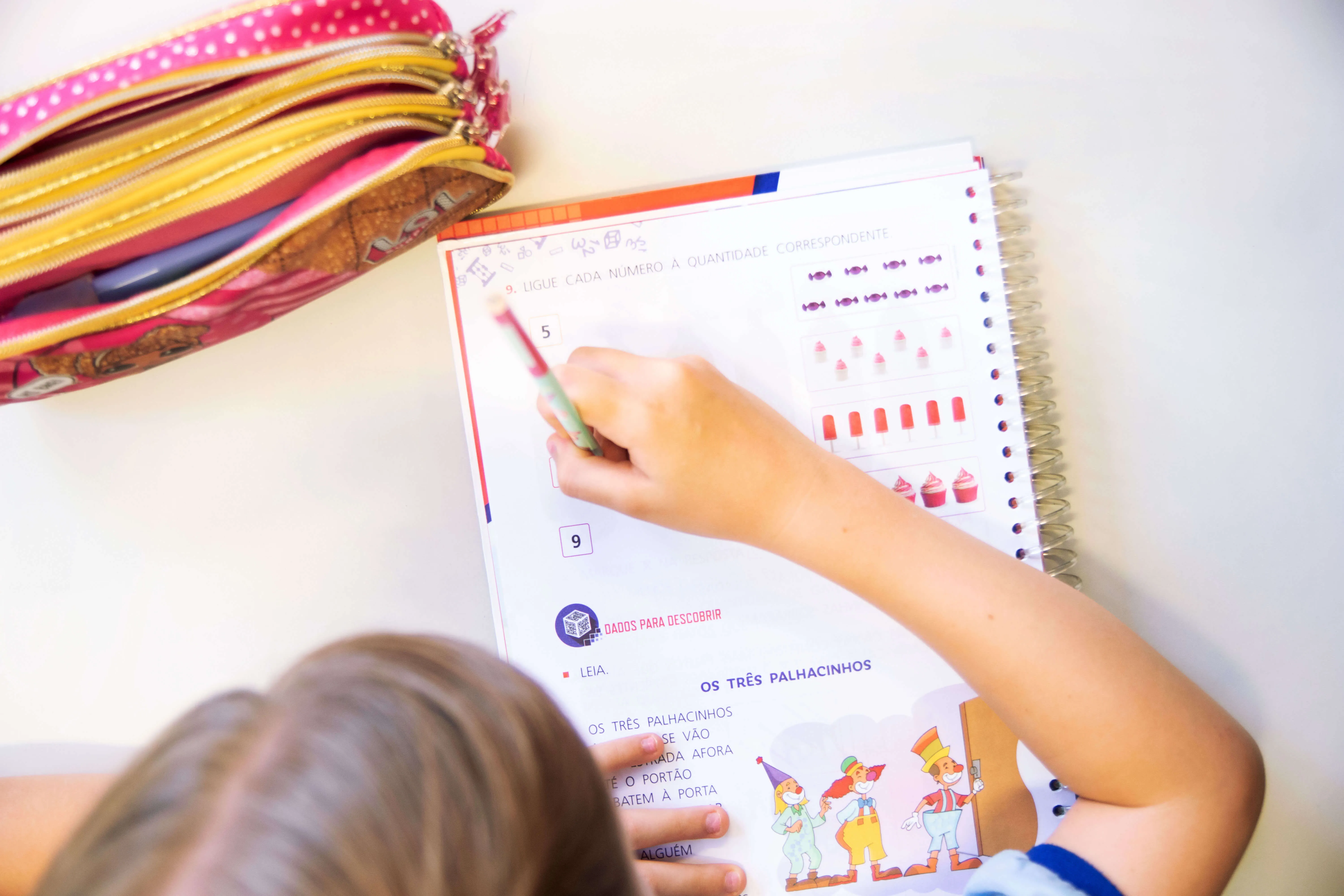
Build strong mathematical foundations through hands-on problem-solving and conceptual understanding, helping Pre-K to 2nd graders develop number sense and critical thinking skills.