

5 Ways to Encourage Self-esteem in Your Kids
By Kmind
What we say to any child impacts the development of their self-esteem. How we interact with them impacts their self-worth, their ability to love themselves. Self-esteem significantly affects healthy development, cognitive, moral, and social behavior. Positive self-esteem is a protective factor for good mental health. Cultivating confidence contributes to positive social behavior and works as a buffer when kids experience stress and negative situations.
[Signs of Low Self-Esteem in Children:]
- They compare themselves to others
- They are more critical of themselves
- They doubt themselves when they are praised
- They don’t have a strong sense of self or direction
- They are less likely to try again if they fail at something
[Here are 5 simple ways to encourage self-esteem in children:]
- Show Unconditional Love Every Day
-
Self-esteem is basically how children see themselves - both in terms of how they see themselves and their ability to get things done. It is shaped by how much they feel loved and how much support and encouragement (or criticism) they receive from the important people in their lives, such as their parents and teachers.
-
Love must be shown through example and directed in order for kids to know they can love themselves. Remind children that they are worthy of love.
-
So hug your child as you say goodbye, snuggle up and read a book, and show your love every day.
- _Give Your Kids Responsibilities and Chores _
-
Being responsible for age-appropriate chores gives your child a sense of purpose and accomplishment.
-
Even if they don’t do something perfectly, let them know you appreciate their efforts.
-
Praise them for all the things they do well, and reassure them that over time, they’ll get better and better at many things, including their chores.
- Provide Praise
-
When you praise your child, be specific. Don’t just tell them they did a good job; tell them *how *they did a good job. If you praise with a constant “good job” but don’t provide any depth or details, kids will fail to see how they are really doing.
-
Although praise is so important, we should not overpraise or jump in to fix things all the time.
- Play Together
- When you play with your child, you show them you like spending time with them and value their company. Just having fun with your child offers numerous benefits for both of you.
- Avoid Insulting
-
When your kids misbehave or do something that frustrates you, be sure to separate that behavior from your kids.
-
When your child pushes you, you may be irritated and even angry. It’s completely normal to experience these feelings, but don’t verbally abuse or shame your child.
-
Instead, respectfully speak to your child. Don’t yell and scream. Don’t bring emotions into the discipline process. An excellent way to do this is to use natural and logical consequences and speak to your child in a pleasant and friendly tone.
Reference:
Explore Our Courses
Discover courses designed to help your child thrive

Writing Class
Master the art of written expression through structured writing workshops, helping 1st to 6th graders develop storytelling, essay writing, and creative composition skills.
Math
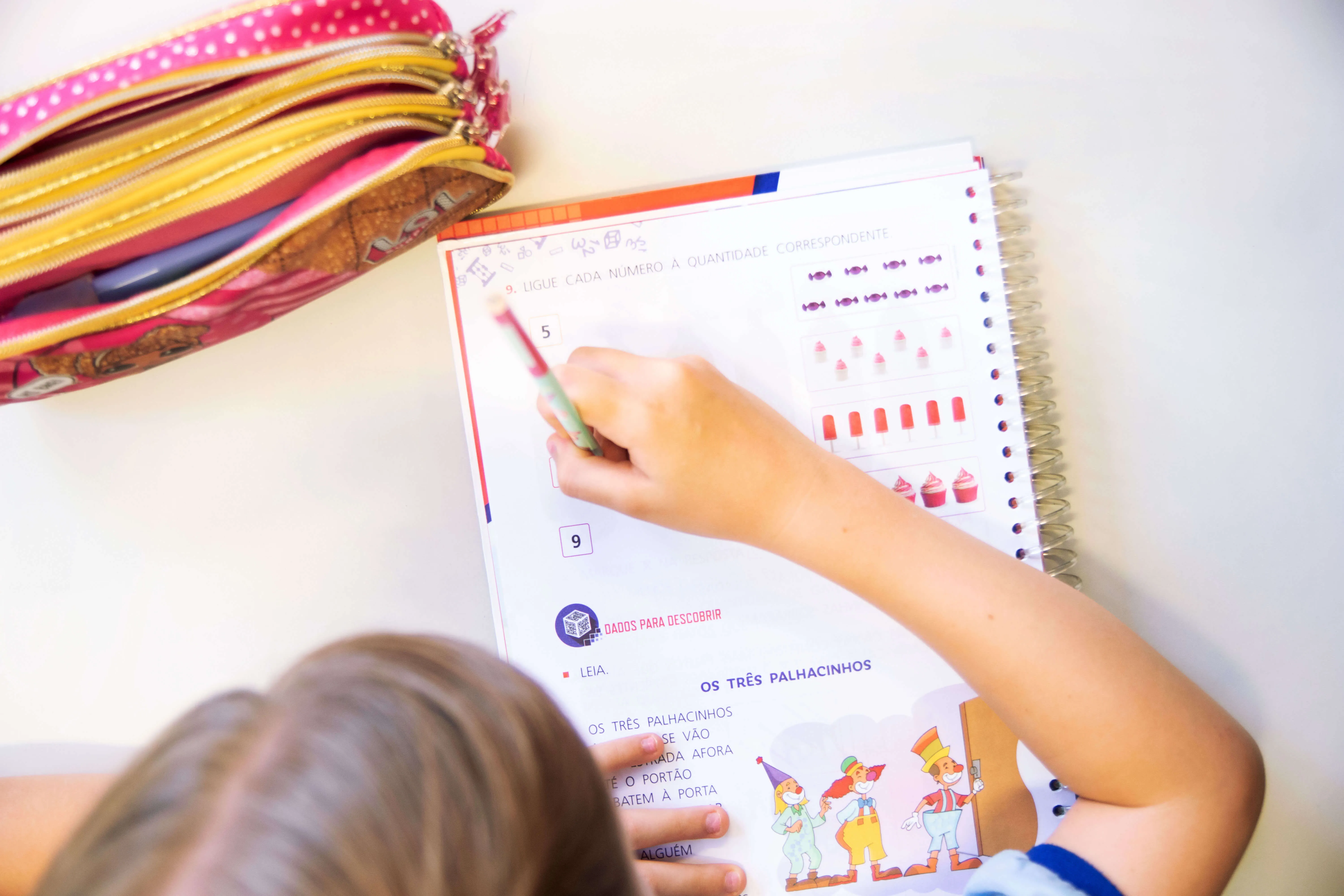
Build strong mathematical foundations through hands-on problem-solving and conceptual understanding, helping Pre-K to 2nd graders develop number sense and critical thinking skills.

Science Research Project
Develop scientific inquiry and research skills through hands-on projects, helping 3rd to 12th graders learn the scientific method, experimental design, and data analysis.