
![[, ]What is Your Parenting Style?](/assets/img/blogs/what-is-your-parenting-style/media/image1.webp)
[, ]What is Your Parenting Style?
By Kmind
WHY: Your parenting style refers to the combination of strategies that you use to raise your children. It is important to ensure that your parenting style supports healthy growth and development because how you interact with your children and how you discipline them will affect the rest of their lives.
Researchers have identified four types of parenting styles:
-
Authoritarian
-
Authoritative
-
Permissive
-
Uninvolved
Authoritarian Parenting
Authoritarian parents are often thought of as disciplinarians.
-
They use a strict discipline style with little negotiation possible. Punishment is common.
-
Communication is mostly one way: from parent to child. Rules usually are not explained.
-
Parents with this style are typically less nurturing.
-
Expectations are high with limited flexibility.
Authoritative Parenting
Authoritative parents are reasonable and nurturing, and set high, clear expectations.
-
Disciplinary rules are clear, and the reasons behind them are explained.
-
Communication is frequent and appropriate to the child’s level of understanding.
-
Authoritative parents are nurturing.
-
Expectations and goals are high but stated clearly. Children may have input into goals.
Permissive Parenting
Permissive parents mostly let their children do what they want and offer limited guidance or direction. They are more like friends than parents.
-
Their discipline style is the opposite of strict. They have limited or no rules and mostly let children figure problems out on their own.
-
Communication is open, but these parents let children decide for themselves rather than giving direction.
-
Parents in this category tend to be warm and nurturing.
-
Expectations are typically minimal or not set by these parents.
Uninvolved Parenting
Uninvolved parents give children a lot of freedom and generally stay out of their way. Some parents may make a conscious decision to parent in this way, while others are less interested in parenting or unsure of what to do.
-
No particular discipline style is utilized. An uninvolved parent lets a child mostly do what he wants, probably out of a lack of information or care.
-
Communication is limited.
-
This group of parents offers little nurturing.
-
There are few or no expectations of children.
How to determine my parenting style?
To find out your parenting style, try this test at PsychCentral.
https://psychcentral.com/quizzes/parenting-style-quiz
This online screening is not a diagnostic tool. Only a trained medical professional, like a doctor or mental health professional, can help you determine the next best steps for you.
In the decades since the theory of “family parenting” was developed, “authoritative” parenting has been considered the most positive, healthy, and effective parenting style. Children have a wide range of personalities, but any child needs both emotional warmth and behavioral discipline. Psychologists believe that being demanding and accepting is the best way to raise a “successful” child.
I believe that all parents interested in reading this article are parents who are warm and loving to their children, but also demanding and positive. I, and most of my readers, will be the ” Authoritative ” type of parent.
Yet, even so, understanding the four parenting types and the characteristics of the children they produce can be a revelation in our daily dealings with our children. It can always present a coordinate chart in our minds that can help us quickly and clearly “position” our parenting and discipline styles, thus avoiding being too authoritarian, too permissive, or too uninvolved of our children. Always remind yourself that **what your children really need is a warm and authoritative parent.**
!(/assets/img/blogs/what-is-your-parenting-style/media/image3.webp)****
Explore Our Courses
Discover courses designed to help your child thrive

Public Speaking and Debate
Master public speaking and competitive debate through structured training in argumentation, rhetoric, and persuasive communication for grades 3-12.
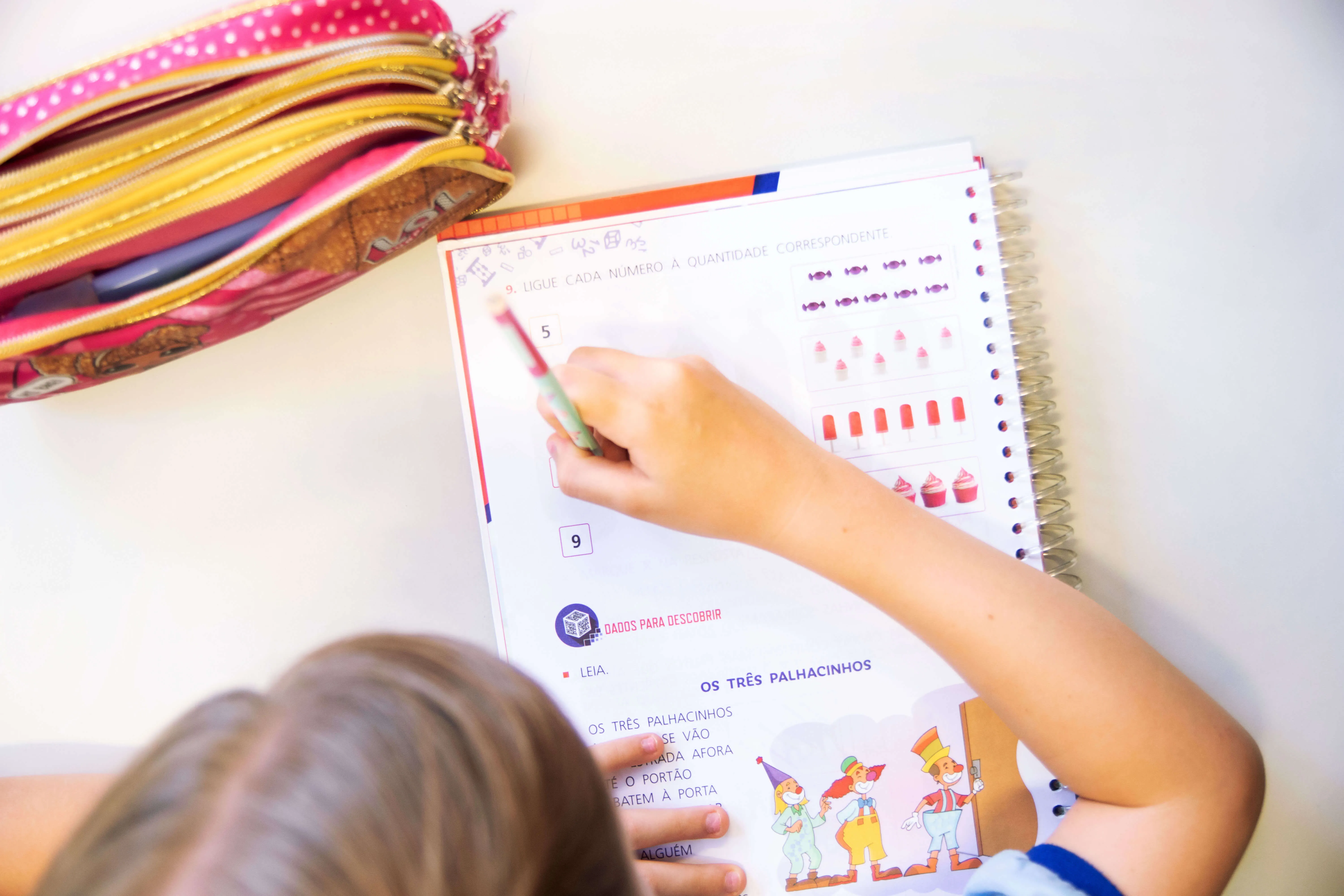
Math
Build strong mathematical foundations through hands-on problem-solving and conceptual understanding, helping Pre-K to 2nd graders develop number sense and critical thinking skills.

Writing Class
Master the art of written expression through structured writing workshops, helping 1st to 6th graders develop storytelling, essay writing, and creative composition skills.